
Andrei Trenin: «India Discovers Russian Rare Earth Metals»
For India, entering Russia is a continuation of its consistent policy of diversifying REE supplies and reducing dependence on China
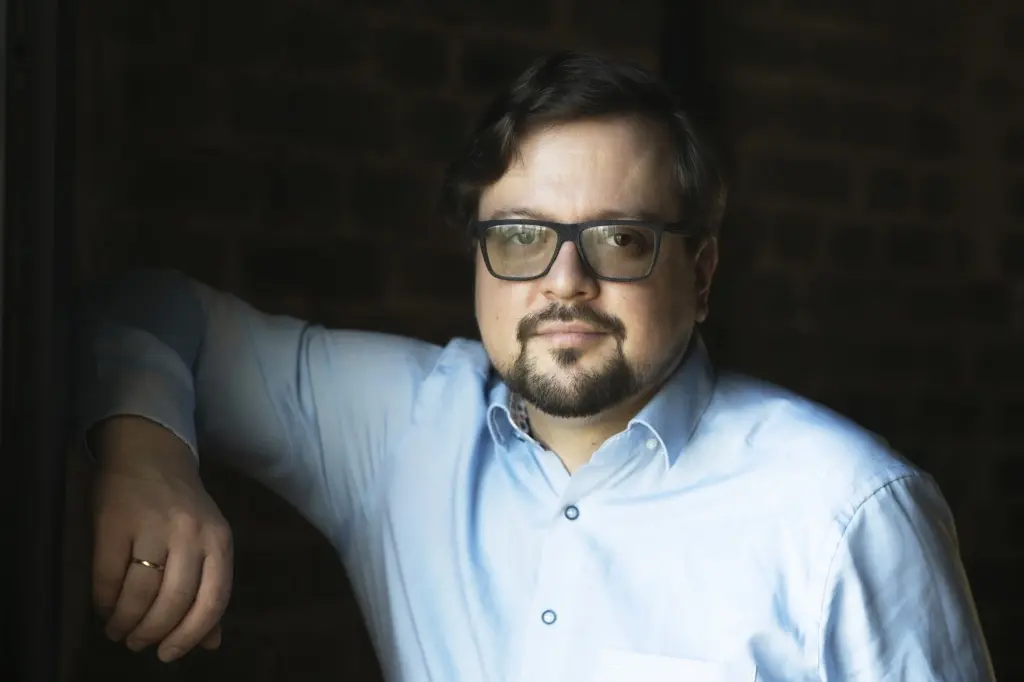
The authorities of Yakutia expect to make progress soon on developing the Tomtor rare earth metals (REM) deposit, possibly in cooperation with diamond miner ALROSA, the region’s head Aisen Nikolayev said at a meeting with President Vladimir Putin — as reported by the Interfax news agency on July 14, 2026. Andrei Trenin, CEO of Arckmineral-Resource JSC and head of the Africanda rare metals project (Murmansk Region), notes that the deposit has drawn serious interest from Indian business.
Until recently, virtually nothing had been heard about Tomtor — a niobium-rare earth deposit unique by global standards, located in Arctic Yakutia. Since the operating company came under the control of Rosneft in May 2025, Tomtor had remained a «thing in itself,» and the rare comments concerned only the environmental aspects of the mining technologies and the conduct of public hearings.
Then, at the International Congress «REDMET-2026,» held under the auspices of Giredmet (Rosatom State Corporation) in Moscow on May 20–22, 2026, Tomtor made it into the news feeds. It was announced that Indian state-owned companies were interested in gaining access to Russian rare earth deposits, including Tomtor, as a traditional — albeit for various reasons, a continuously changing — flagship of Russia’s REE mineral resource base. By June, specifics had emerged: the Indian state-owned company IREL (Indian Rare Earths Limited) officially confirmed ongoing negotiations regarding the deposit and requested ore samples for testing in its own laboratories.
IREL is far from the only company interested in Russian REEs, and Tomtor is not the only deposit attracting Indian companies. In May 2026, a meeting was held at the Russian Union of Industrialists and Entrepreneurs (RSPP) platform between Russian entrepreneurs and leading Indian state-owned metallurgical companies on partnerships in other major Russian rare metals projects — particularly the Africanda project in the Murmansk Region.
India’s interest is understandable. In 2025–2026, China imposed strict export restrictions on REE supplies and processing technologies, which could not but affect India, which is experiencing explosive growth in electric vehicle manufacturing and green energy. In response to China’s restrictions, the Indian government launched a large-scale national REE-magnet program in November 2025, with an approved first round of subsidies worth approximately $900 million. Given the tense relations between New Delhi and Beijing, the Indian government is seeking ways to diversify supplies of critical metals, including REEs, using such US-led international initiatives as QUAD, FORGE, Pax Silica, and IPEF.
For India, entering Russia — our BRICS partner — is a continuation of its consistent policy of diversifying REE supplies and reducing dependence on China. Preparations are currently underway for signing an intergovernmental agreement between Moscow and New Delhi on strategic cooperation in the field of REEs.
For Russia’s REE industry, India’s interest represents a true breath of fresh air. Indeed, for many years we have been stressing the importance of state support for the industry so that investors would finally understand its importance and potential — yet little has changed. Meanwhile, entire high-level delegations from major foreign (and state-owned!) companies are coming to Russia, holding detailed multi-hour negotiations, making technical visits to deposits, and expressing readiness to invest in Russian projects.
In Russia, the chief ambassador of the REE industry is President Vladimir Putin, who has recently been paying special attention to this issue. He constantly emphasizes that REEs are a matter of national security and sovereignty — in the broadest sense, not only resource and technological. However, at the middle levels of state administration, presidential directives run into a wall of misunderstanding: our domestic market is small, processing technologies are complex — why spend money on long-payback projects when our costs will be higher than China’s, and China is our strategic partner, and we can always buy everything we need from them anyway? After all, we don’t need that much, do we?
There is a similarity between India and Russia: both countries possess significant REE reserves (7 to 9 million tons in India and 28.5 million tons in Russia), but their share of global production does not exceed 1% (2,600 tons and 2,900 tons, respectively). However, in Russia, unlike in India, little attention is paid to the tectonic shifts taking place in the world in the field of REEs and new materials. Meanwhile, a real global war for resources and technologies is underway, and those who sit on huge reserves of critical metals like the dog in the manger will be forced to give them away for pennies to more nimble players, turning into mere raw-material appendages of the world’s leading sovereign nations.
Therefore, today it is necessary to actively leverage the strategic interest of friendly foreign investors for a breakthrough development of Russia’s REE industry: using their resources and vast domestic demand to supply not raw materials or primary concentrates, but high-value-added products. This is precisely what the Russian president spoke about when addressing the International Forum «Arctic — Territory of Dialogue» in Murmansk in March 2025, calling for building high-value-added production facilities in the Arctic, where over 70% of Russia’s REE reserves are concentrated.
There is hope that the interest of friendly investors will also spur domestic business leaders to participate more actively in REE projects in Russia. We have much to learn from our foreign colleagues: where some see low demand, others offer their own vast markets; where some speak of technological problems, others see only an interesting engineering challenge; where some are sure they can buy everything abroad, others talk about national security and technological sovereignty and invest tens of billions of dollars in the best projects.
To learn this lesson, we must remove the blinders, shed our arrogance, and get our thinking in order — invest in an integrated industry «from ore to AI» in Russia and build modern high-tech plants in friendly countries, forging new partnerships and winning our fair share of the global market.
Оthers Our comments
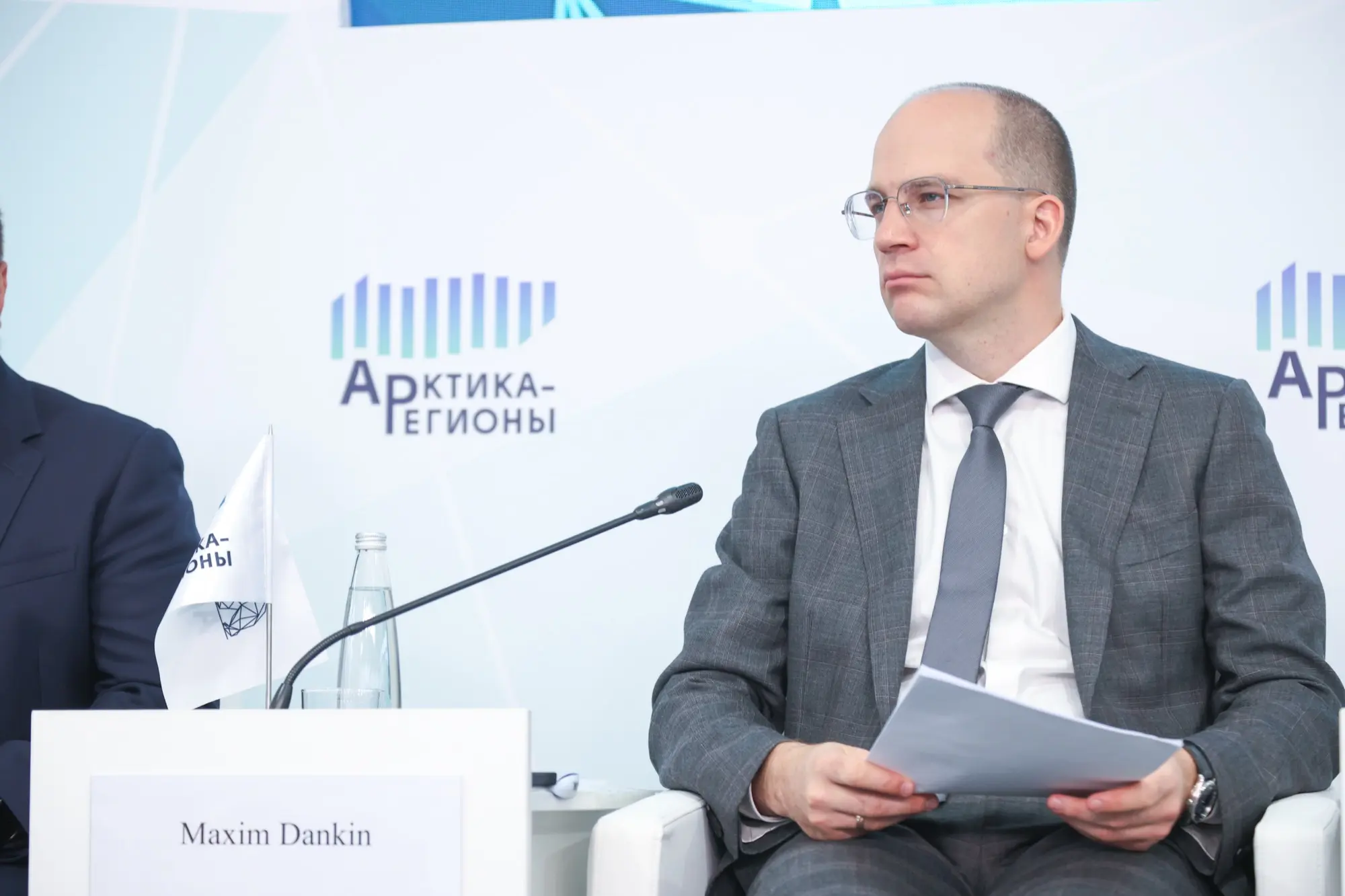
Maksim Dankin: The preferential regime in the Arctic should become more adaptive
At the Arctic – Regions Forum, participants discussed how to improve the effectiveness and transparency of preferential regimes and better account for the specific characteristics of different territories and industries Maksim Dankin, Director General of the Project Office for Arctic Development (PORA) and a member of the Public Chamber of Russia, served as moderator and...
read more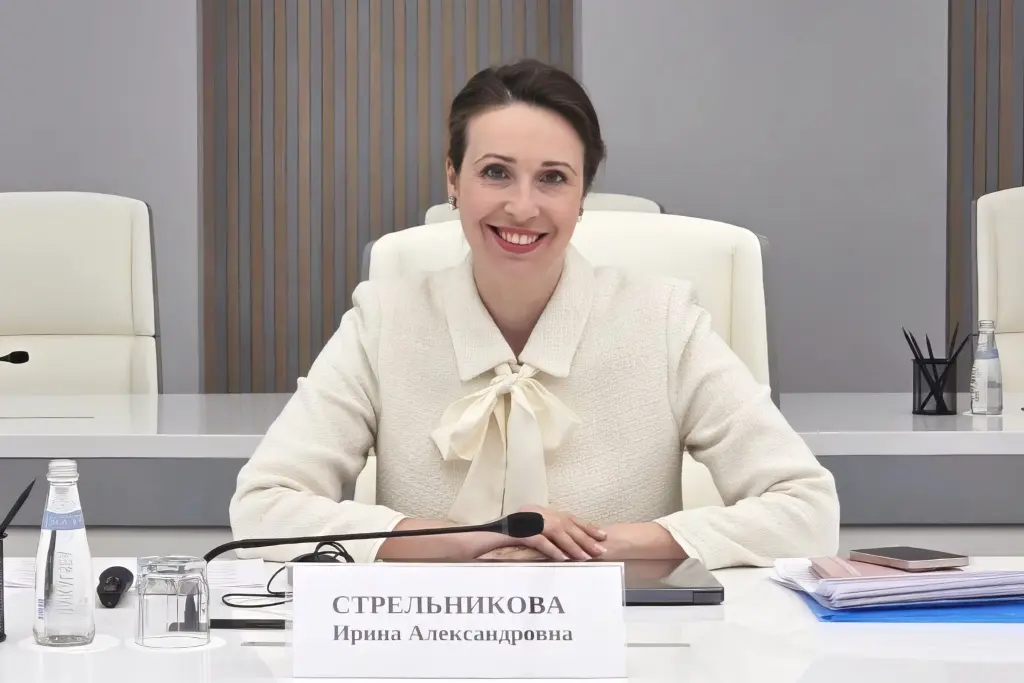
Irina Strelnikova: The XVIII BRICS Summit and the Development of Cooperation in the Arctic
The bet is on the gradual accumulation of institutional mass, and the Arctic remains in the strategic focus of the association’s member countries On 12–13 September 2026, the XVIII BRICS Summit was held in New Delhi (India), timed to coincide with the 20th anniversary of the association, when in September 2006 the foreign ministers of...
read more