
Maksim Dankin: The preferential regime in the Arctic should become more adaptive
At the Arctic – Regions Forum, participants discussed how to improve the effectiveness and transparency of preferential regimes and better account for the specific characteristics of different territories and industries
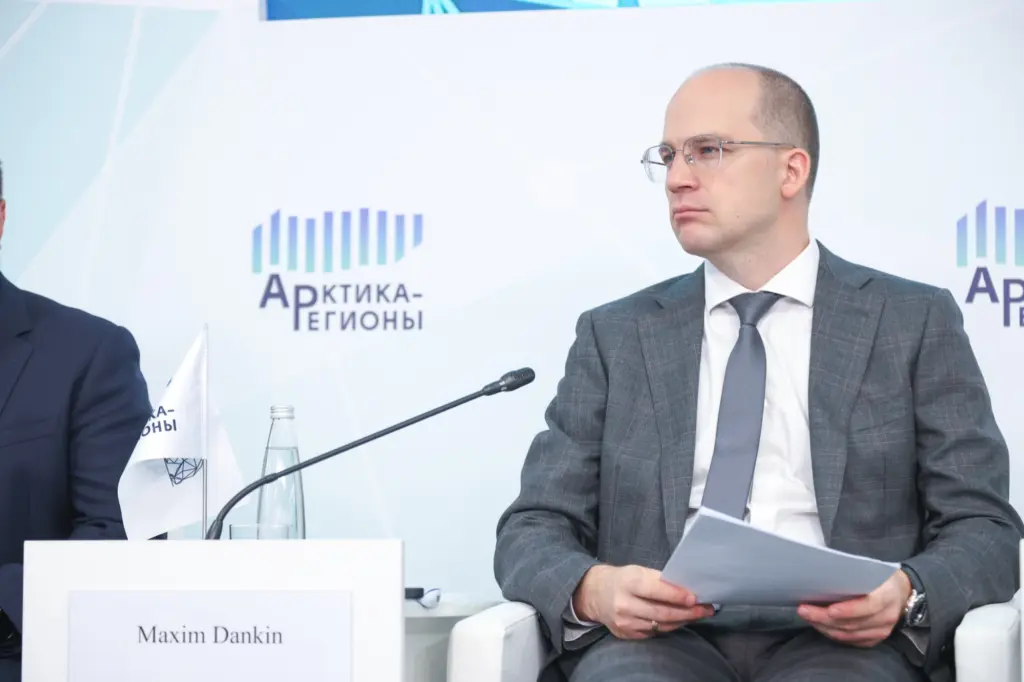
Maksim Dankin, Director General of the Project Office for Arctic Development (PORA) and a member of the Public Chamber of Russia, served as moderator and speaker at several sessions of the Arctic – Regions Forum, held on August 13–14, 2026, in Arkhangelsk. One of the topics at the discussion «Investments in the Arctic: New Rules of the Game» was the improvement of preferential regimes currently in effect in the Russian Arctic zone.
Participants discussed measures to enhance the effectiveness and transparency of the preferential system, reviewed regional cases, and examined existing practices for supporting investors. Special attention was paid to the extent to which current and future instruments are able to account for the significant differences among Arctic territories, as well as the specific nature of various industries and projects.
In his remarks, Maksim Dankin proposed viewing the further development of preferential regimes through the lens of a platform-based approach. According to Dankin, a unified regime should not mean an identical set of support measures for everyone: the state can establish common rules, procedures, and guarantees, while specific instruments should be tailored to the territory, industry, and project specifics.
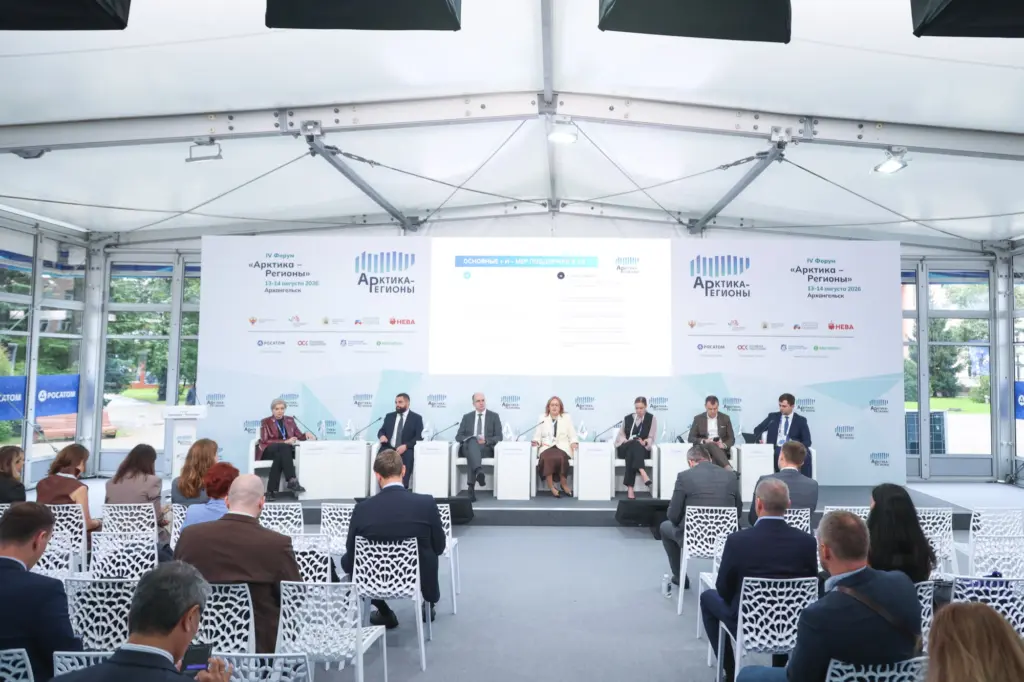
«One of the key tasks today is to make the preferential regime more adaptive to real business conditions. The Arctic territories are very different: they vary in logistical accessibility, energy costs, availability of personnel and infrastructure, so the same set of benefits does not always produce the same effect. The system must be able to adjust to a specific territory, industry, and project. Looking ahead, it is important for us to move from a simple set of benefits to a development platform that will stimulate not only investment but also job creation, technological development, and greater connectivity between territories,» said Maksim Dankin.
This approach implies that the effectiveness of the regime should be assessed not only by the number of residents and the volume of announced investments. Among the significant outcomes to be considered are productivity, technological development, job creation, and wage growth. Another principle of the platform-based model could be fostering linkages between enterprises and territories: supporting not isolated «pockets» of economic activity but entire value chains that combine extraction, logistics, processing, and scientific-technological competencies.
Participants in the discussion identified the system’s ability to adapt quickly to the specifics of business, territorial development, and industry affiliation as an important component of further improvement. The need for continued work on such instruments received support from session participants, including representatives of relevant federal development institutions.
Оthers Our comments

Elena Gladun: «The Co-Management Model Offers Many Opportunities for Transforming Indigenous Peoples’ Lives»
This partnership tool between the state and Indigenous small-numbered peoples supports traditional ways of life and livelihoods while simultaneously enabling the effective use of territories and natural resources for socio-economic development June 5, 2026 On May 29, 2026, the PORA Expert Center held a discussion club on the topic: «Protecting the Rights of Indigenous Peoples...
read more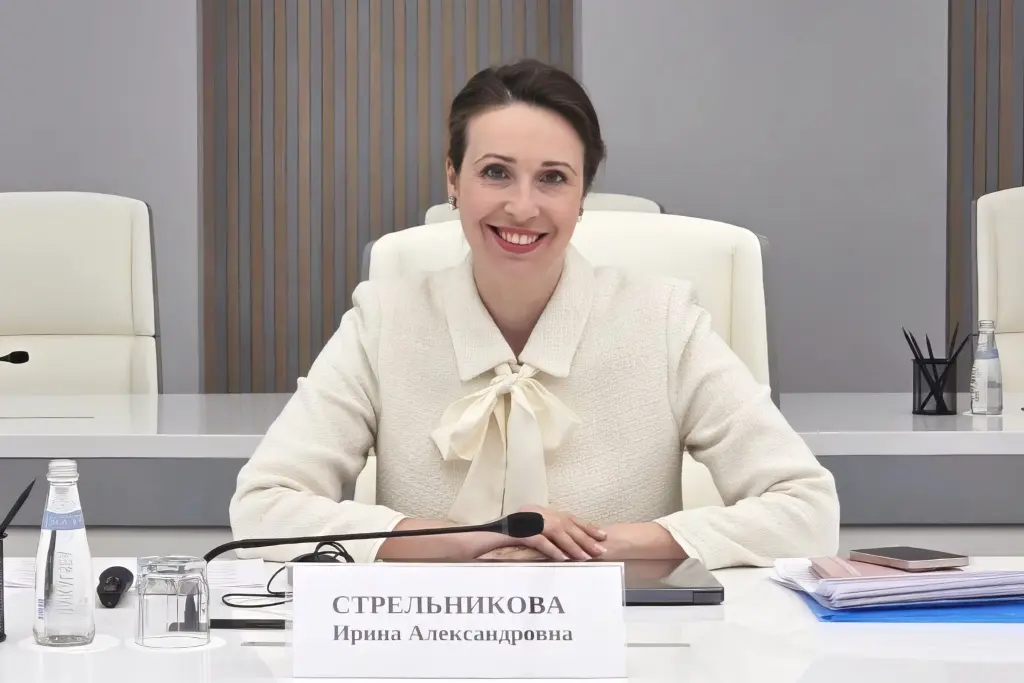
Irina Strelnikova: On South Korea’s Interests in the Arctic
The Northern Sea Route for Seoul is a tool for enhancing competitiveness, a factor in fleet modernization, and a guarantee that the country will remain a key link in global trade amid a changing climate In May 2026, South Korea adopted a special law regulating the country’s participation in the development of the Northern Sea...
read more