
Andrey Treenin: The U.S. Is Creating a Large-Scale Government Support System for the Strategic Metals Industry
Tools of such policy should be applied more broadly in Russia as well
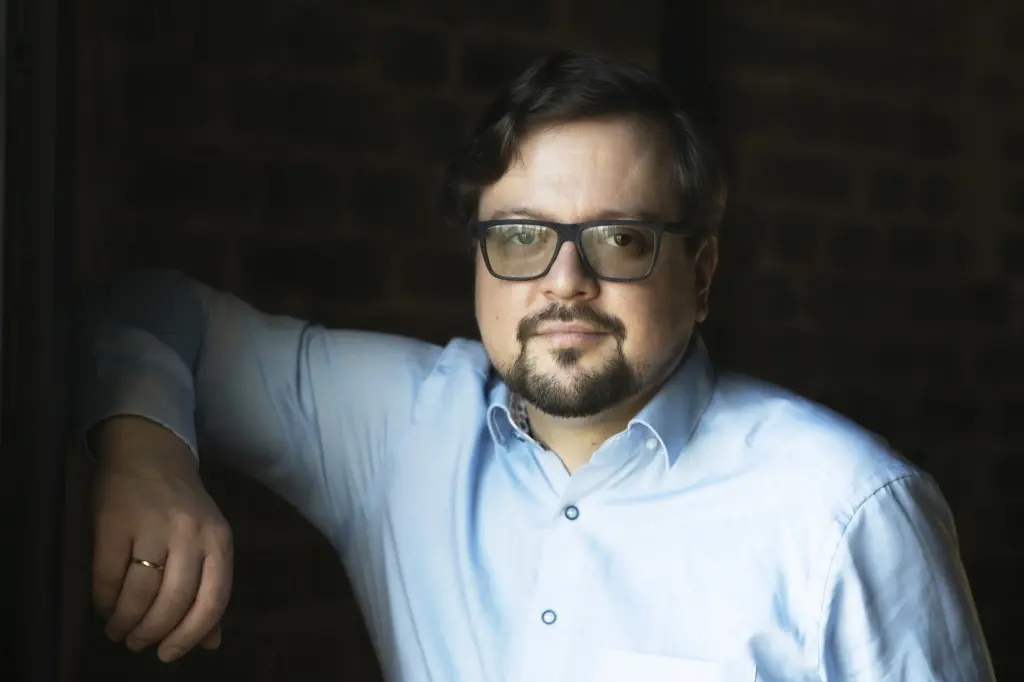
On August 20, 2026, the U.S. Department of Energy (DOE) announced the allocation of $500 million to seven selected projects aimed at expanding domestic processing capacities for critical minerals and materials, battery production, and recycling in the United States. Commenting on this is Andrey Treenin, CEO of Arkmineral–Resource and head of the rare-metal project «Afrikanda» (Murmansk Region).
The seven companies chosen by the DOE operate in the extraction and processing of «battery» metals—lithium, nickel, cobalt, and silicon—as well as in the secondary processing of industrial waste. Of the total sum, $200 million is allocated for the extraction and processing of primary raw materials (awarded to the lithium project Lilac Solutions and the cobalt project Jervois). The remaining $300 million will be distributed among black mass and battery scrap recycling, electrolyte production, lithium-metal films, and silicon anodes.
This latest round of direct U.S. government investment is a continuation of Washington’s strategic line to support producers of critical mineral raw materials and reduce dependence on imports from China. One might dismiss this news—after all, what is half a billion dollars for the U.S. economy? For comparison, the DOE’s total requested budget for 2027 is nearly $54 billion, of which about $33 billion (over 60%) is reserved for nuclear security and defense programs, while the remainder goes to a network of 17 national laboratories conducting fundamental physics research, developing supercomputers, quantum technologies, and advanced energy, as well as remediating territories affected by nuclear weapons testing. On such a scale, allocating just $0.5 billion for strategic «battery» metals is like pocket change.
The key is to see the bigger picture. Until now, Washington has supported the rare-earth industry on a piecemeal basis, using various financial instruments such as grants, loans, guarantees, equity investments, and letters of interest—with the bulk of these support measures ramping up precisely in 2025–2026. These were emergency investments, decisions made amid the trade war with Beijing and Washington’s chaotic attempts at a carrot-and-stick policy. Having recognized the futility of such games with China, the Trump administration is already transitioning in 2027 to the next level—systematic, large-scale state support measures.
The bastion of the global market economy—the United States—is actively adopting methods of a planned command economy. In 2027, provisions include purchases of strategic metals (titanium, tungsten, molybdenum, cobalt) for military needs and the development of domestic deposits. Starting January 1, 2027, expanded restrictions on materials and magnets originating from China, Russia, Iran, and North Korea are to take effect for certain defense contracts. The state is trying to guarantee domestic demand, wants to set «price floors» for U.S. miners, and promises subsidies for new plants.
As part of this strategy, the U.S. is not forgetting about the Arctic either. Washington is supporting Alaskan mining companies and is once again turning its attention to Greenland. For instance, in 2026, the Pentagon announced an agreement to directly buy a 17.5% stake in Trilogy Metals, which is developing the Ambler copper-cobalt-zinc-gold-germanium project in Alaska, for which a ban on building a 340-kilometer access road was also lifted. The U.S. government continues its attempts to acquire stakes in the Tanbreez rare-earth project in Greenland.
The Arctic’s resource potential is enormous and still not fully unlocked. It holds some of the best deposits of rare-earth metals and mining-chemical raw materials. Russia’s geopolitical adversaries understand this as well. Therefore, it is essential to study global experience in government support for companies extracting strategic metals, adopt best practices, and implement them at home. It is in the Russian Arctic, based on unique deposits, that large, modern high-value-added production facilities should be created—thereby contributing to the socio-economic development of the entire macro-region and increasing Russia’s prosperity. This is precisely the vision behind the titanium-rare-earth project «Afrikanda» in the Murmansk Region, as originally conceived and now being realized.
The Project Office for Arctic Development and the editorial board of GoArctic.ru do not necessarily share the opinions expressed by experts.
For media representatives: we welcome the republication of comments provided that an active link to the original source is given and the columnist’s status as an expert of the Project Office for Arctic Development is indicated.
Оthers Our comments
Russia Is Neither the West Nor the East, But the North
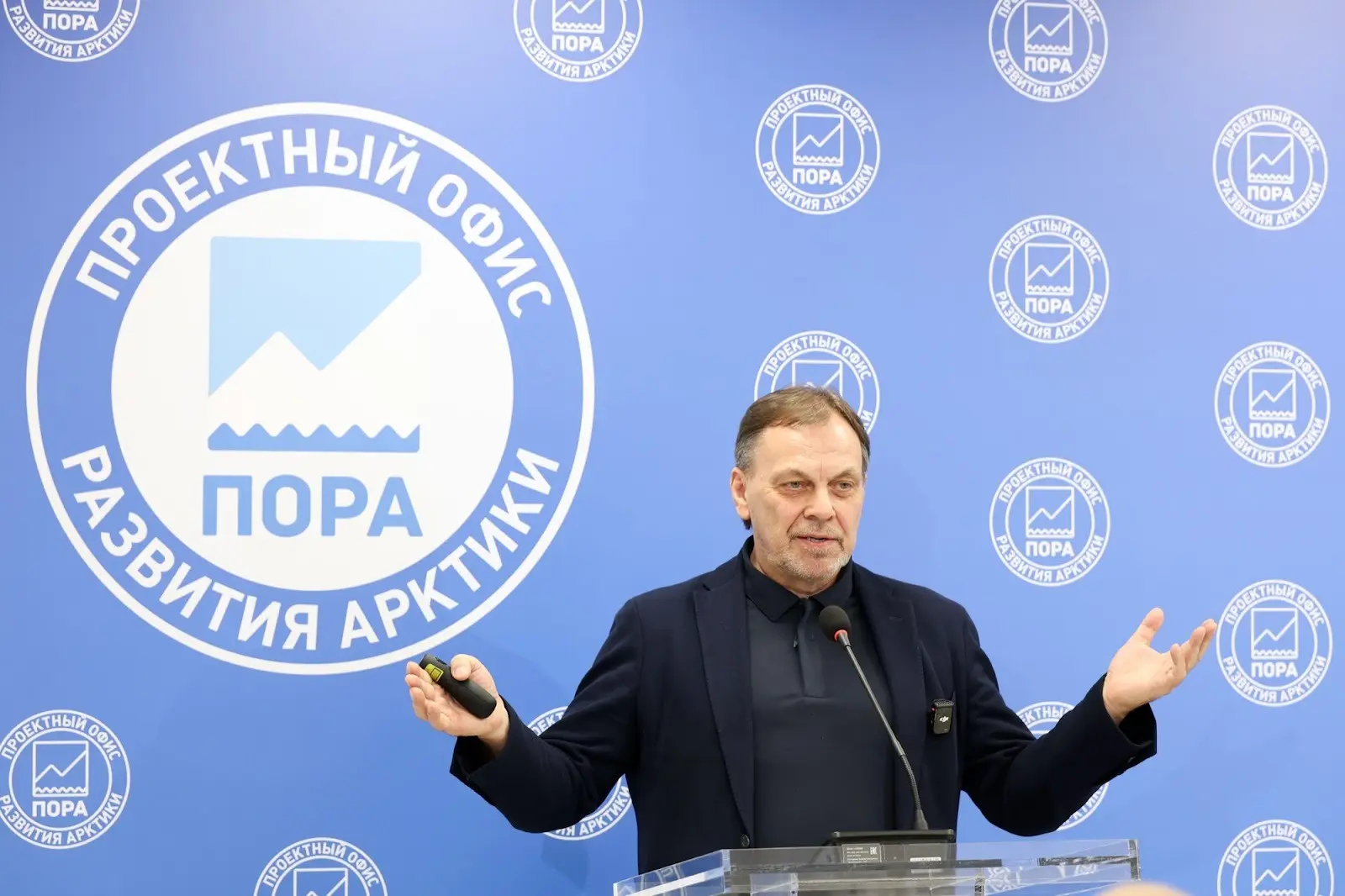
Andrey Golovnev, Director of the Peter the Great Museum of Anthropology and Ethnography (the Kunstkamera), lectured about Russia’s northernness as a fundamental aspect of its civilization. The lecture also addressed the need to consider certain historical interpretations, particularly regarding Kievan Rus’. Essentially, it [Kievan Rus’] is northern — Ladoga, Novgorod, Varangian. Kyiv emerged later as...
read more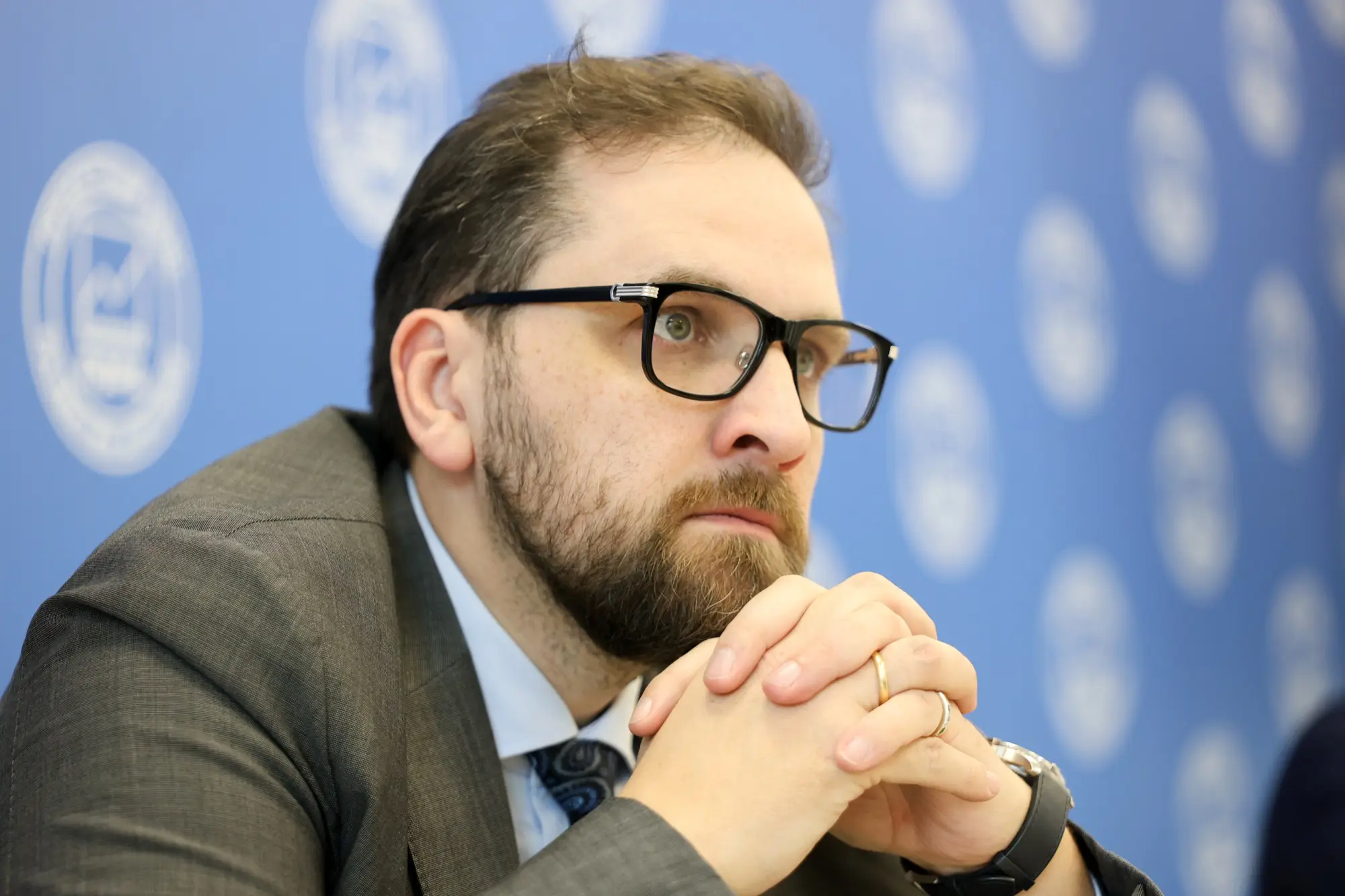
Alexander Makarov on Russia’s Role in International Scientific Cooperation
Breakthrough scientific achievements will be made possible through continued cooperation among countries in the high latitudes. March 20, 2026 In early March, the AARI celebrated the 106th anniversary of the establishment of the Northern Scientific and Commercial Expedition, which became Russia’s premier polar institute. Today, despite difficulties related to the severance of full-scale international ties...
read more