
Russian Foreign Ministry: «In the Arctic, It’s Time to Get to Work, Not to Wait for a Fair Wind»
March 13, 2026
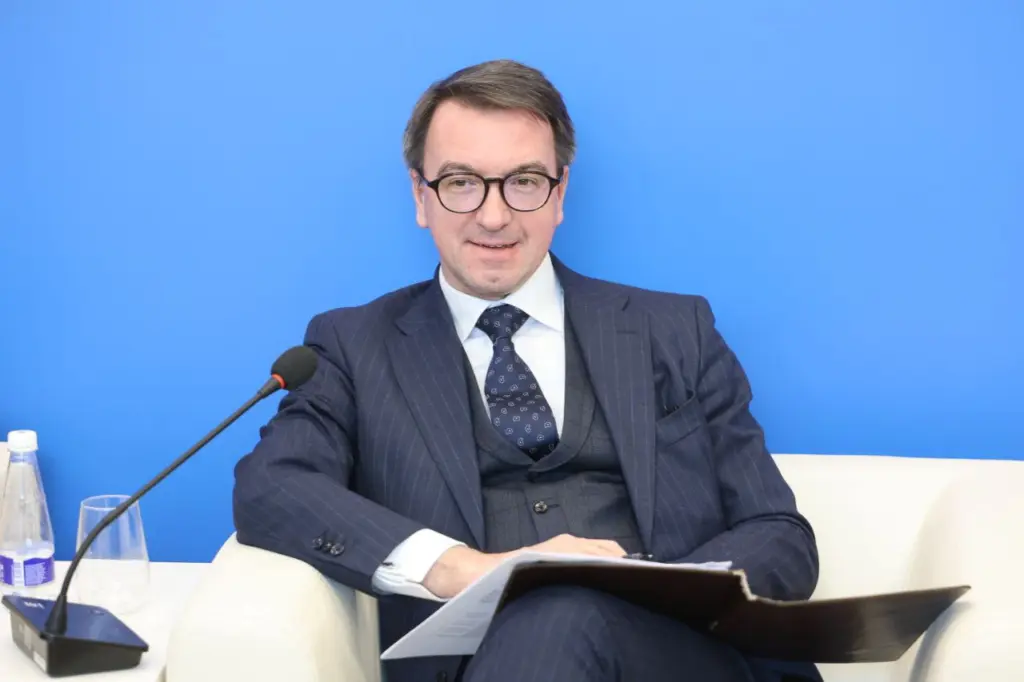
Vladislav Maslennikov, a representative of the Ministry of Foreign Affairs of the Russian Federation, took part in the roundtable «Arctic Transport Corridors: Geopolitical Challenges and Technological Solutions» at the Project Office for Arctic Development (PORA).
«It is absolutely clear to us that now, in the Arctic, it’s time to get to work, not to wait for a fair wind. We see that the number of countries wishing to cooperate with Russia in the high latitudes is growing. A circle of international partners is effectively forming, including those geographically unconnected to the Arctic, but ready for constructive engagement with us in this region. As everyone knows, the dialogue is most actively being pursued today with China and India. These countries not only declare their interest in the Arctic agenda but also possess significant resources for implementing joint projects and initiatives in the region,» stated Vladislav Maslennikov, Director of the European Problems Department at the Russian Ministry of Foreign Affairs and Russia’s Senior Arctic Official in the Arctic Council. He spoke on March 13, 2026, during the roundtable «Arctic Transport Corridors: Geopolitical Challenges and Technological Solutions» at the conference «The Arctic in an Era of Change,» co-organized by PORA and the Northern Forum.
One of the most promising areas of cooperation is the Northern Sea Route (NSR) – it is seen as a key element of the broader Trans-Arctic Transport Corridor, the ministry’s representative added.
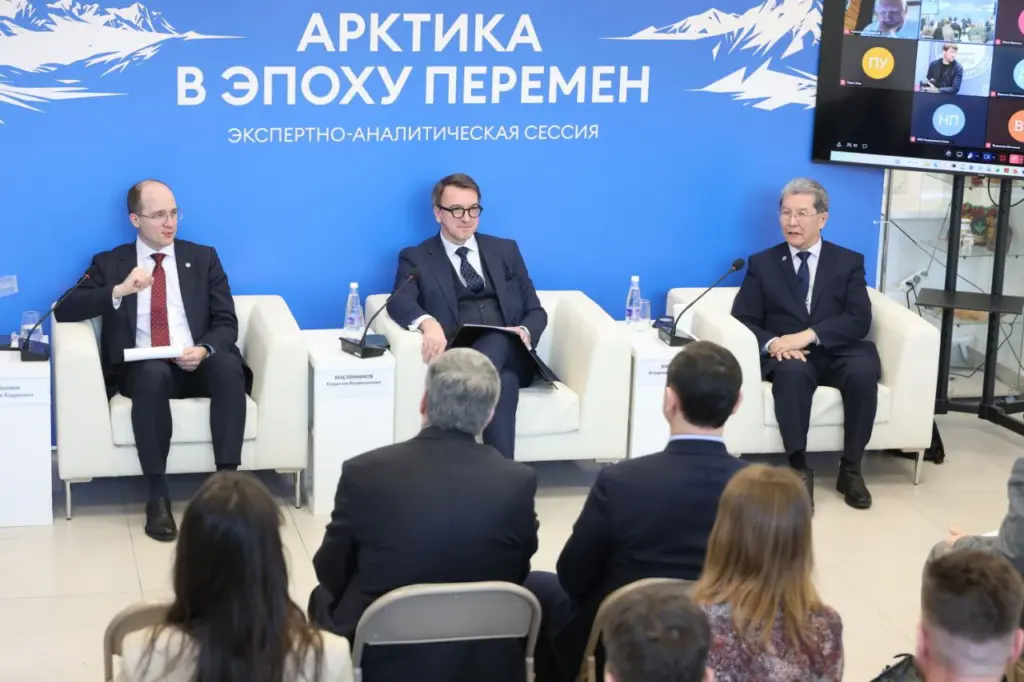
«Amid the current geopolitical turbulence, the NSR is becoming a genuinely attractive alternative to traditional routes. It offers greater safety, environmental friendliness, a shorter logistical distance, and associated economic advantages. The current situation in the Persian Gulf region, in my view, is a clear and very recent confirmation of this. We are now witnessing an active phase of building the logistical framework for the NSR and the TTC, forming associated business models and long-term commitments. Once this system is finally established and fine-tuned, sustainable demand for using this route will likely emerge. But for new participants in cooperation, joining in on favorable terms will be more difficult than it is at the current stage. However, you can’t put your own head on someone else’s shoulders,» Maslennikov said.
The conference also featured sessions dedicated to Arctic tourism and climate change management in the Arctic.
The Project Office for Arctic Development does not always share the opinions expressed by experts.
For media representatives: we welcome republication of comments provided that an active link to the original source and the columnist’s status as an expert of the Arctic Development Project Office are indicated.
Оthers Our comments
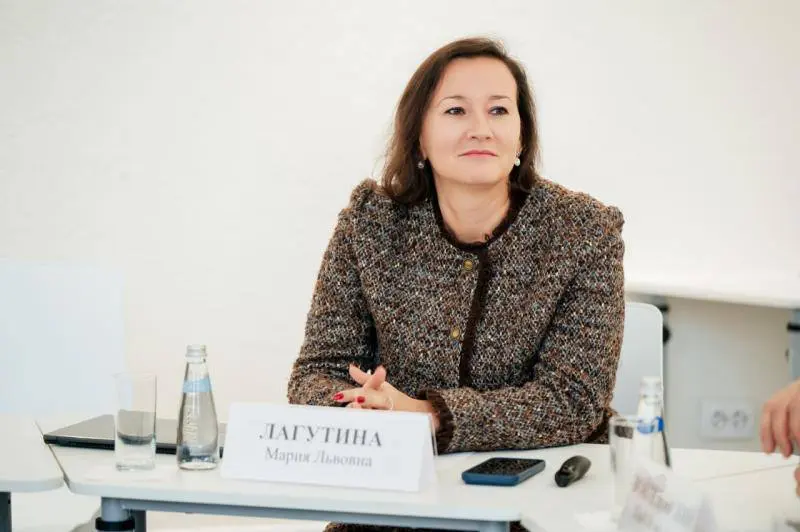
Maria Lagutina: The European Arctic Summit in Rovaniemi and the Formation of a New EU Arctic Strategy
A securitization of European Arctic policy is taking place; whereas previously it was built around issues of climate change, sustainable development, scientific cooperation, and environmental protection, today security issues are increasingly coming to the fore On September 13–14, 2026, an informal Arctic Summit of European Union countries was held in Rovaniemi, Finland. The meeting was...
read more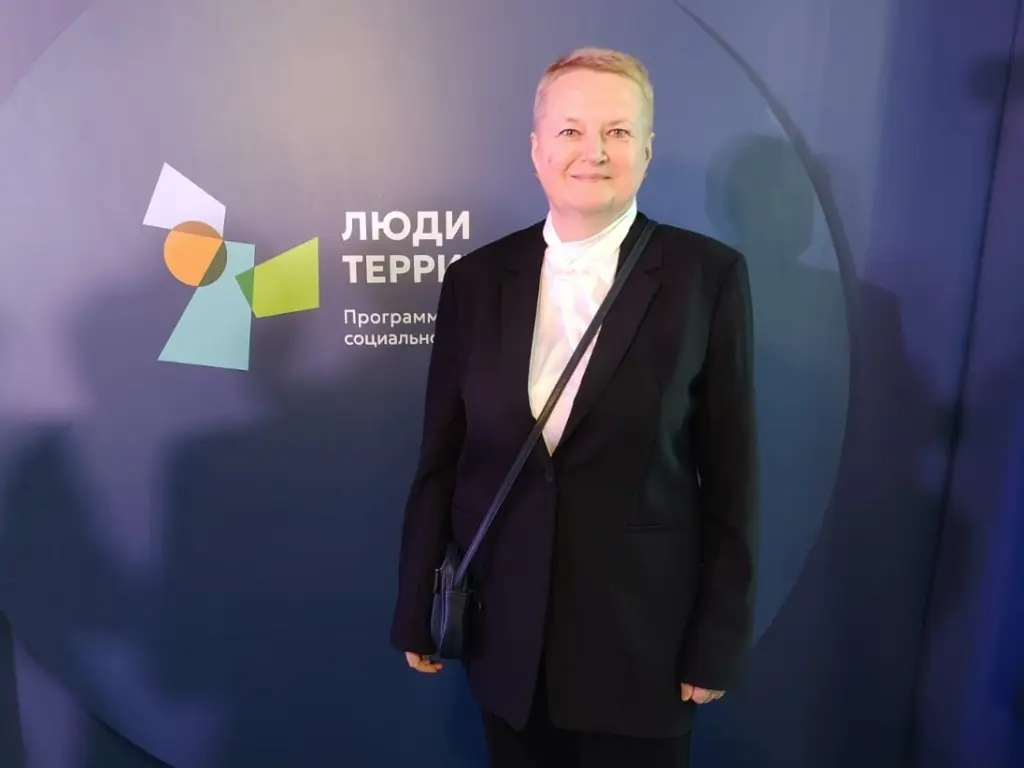
Olga Buch: Why Norilsk Nickel is Moving Palladium Production from Norilsk to the Murmansk Region
The decision will improve metal recovery, accelerate production processes, and reduce costs; optimizing the production chain will strengthen Russia’s position as a strategic player in the global palladium market Norilsk Nickel is restructuring its precious metals production chain. Starting in July 2026, the processing of intermediate products will be transferred from the Norilsk Copper Plant...
read more