
Polar Happiness: Why Contented Northerners Are Leaving the Arctic
March 6, 2026
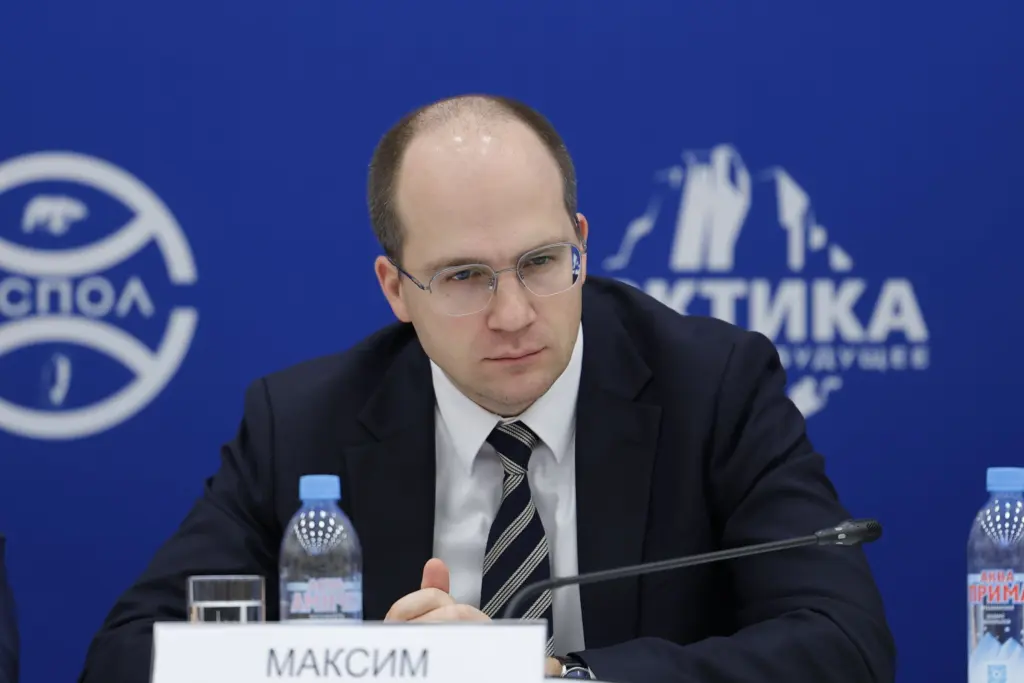
The leading Russian business newspaper Vedomosti has published a new column by Maksim Dankin, Director General of the PORA Expert Center.
A large-scale sociological study in the Arctic has recently concluded, surveying more than 13,000 people across all 10 regions of the Arctic Zone of the Russian Federation. The results are paradoxical: northerners are generally satisfied with their lives, but many are planning to leave.
Here is a figure that’s hard to argue with: 63% of residents of the Russian Arctic are generally satisfied with their lives. This is almost identical to the national average: according to data released by the Russian Public Opinion Research Center VCIOM in April 2025, the satisfaction level was 64%. It would seem you could just live and be happy, especially since the North is traditionally considered a territory of additional challenges.
However, that is not the case. The most satisfied are young people aged 18–29; three out of four in this age group – 74% – rate their lives positively. And they are also the primary candidates for leaving. Less than half of young northerners plan to stay in the Arctic long-term, whereas among those over 45, more than half do. Partly, this may be because many young people are focused on getting higher education, which often involves moving to the «mainland.» But that’s not the only reason.
A person might like things «here and now»: the nice nature, familiar faces, a cozy courtyard. But when it comes to life prospects, where to raise children and where to get medical treatment oneself, the picture changes. Emotional attachment starts to lose out to rational calculation.
While average figures might appear reassuring, the regional disparity is striking. The difference between the most well-off and the most problematic regions is 32 percentage points. The most satisfied people are in the Yamalo-Nenets Autonomous Okrug: 77%. At the other pole is the Komi Republic with 45% (and Yakutia, where slightly less than half are satisfied). Indicators close to the Russian average are observed in the Khanty-Mansi and Nenets Autonomous Okrugs, as well as in the Arkhangelsk and Murmansk regions. Things are slightly worse in the Krasnoyarsk Krai, Karelia, and Chukotka (59%, 58%, and 57% respectively).
In the second half of 2025, the POR expert center conducted an analytical study – the Sustainable Development Index for Arctic Settlements. It was based on official statistics for 128 localities, evaluating 68 parameters.
It turned out that the purchasing power of salaries varies by a factor of three across different parts of the Arctic.
Another finding: the longer a person lives in the Arctic, the lower they rate their quality of life. Among those who have lived here for less than a year («newcomers»), 75% are satisfied. But among those born in the Arctic («old-timers»), it’s less than 60%.
Contrary to popular belief, money is not the main reason for moving to the Arctic. Almost 60% came due to family circumstances – that’s just how life turned out. Motives such as striving to improve quality of life and the desire to earn more came in second and third place – less than half of respondents came for the high pay. What keeps people in the North is also not so much money, but children. Among those without children, less than half plan to stay. Among parents of one or two children – about 50–55%. But among parents with many children – already more than 60%. The more children, the stronger the roots: large families turn out to be the most stable, the most «attached» category of northerners.
More than half of respondents named three main push factors: healthcare, the ratio of income to cost of living, and housing conditions. A particular pain point is the low level of awareness about support measures. Only 30% know about the «Arctic Mortgage.» And awareness of the «Arctic Hectare» program and other state support measures for Russian Arctic residents is even lower, ranging from 5% to 26%. Billions are spent, but people don’t know they can get a land plot, funds to buy an apartment, or other benefits from the state.
What is to be done?
- First, stop measuring the Arctic by the «average temperature in the hospital.» A two-level policy is needed: support growth points (major centers) and simultaneously uplift the periphery where people suffer from a lack of doctors and poor schools.
- Second: focus on the family and on youth. Families with children are the most reliable pillar for demographics. And it’s easier to retain satisfied young people than dissatisfied older ones.
The paradox of satisfied young people who still leave is solvable. If the emotional «liking it» is reinforced by real opportunities – decent work, proper healthcare, a modern environment – then young people will stop seeing the «mainland» as the only option for their future. Supporting these two categories should become not just one of the directions, but the main goal of Arctic social policy.
- Last but not least, keep informing. There is no point in investing money in programs that almost no one knows about. A communication campaign to explain support measures is necessary – this is not empty PR, but an essential element of work at the state level.
The Project Office for Arctic Development does not always share the opinions expressed by experts.
For media representatives: we welcome republication of comments provided that an active link to the original source and the columnist’s status as an expert of the Arctic Development Project Office are indicated.
Authors

Оthers Our comments
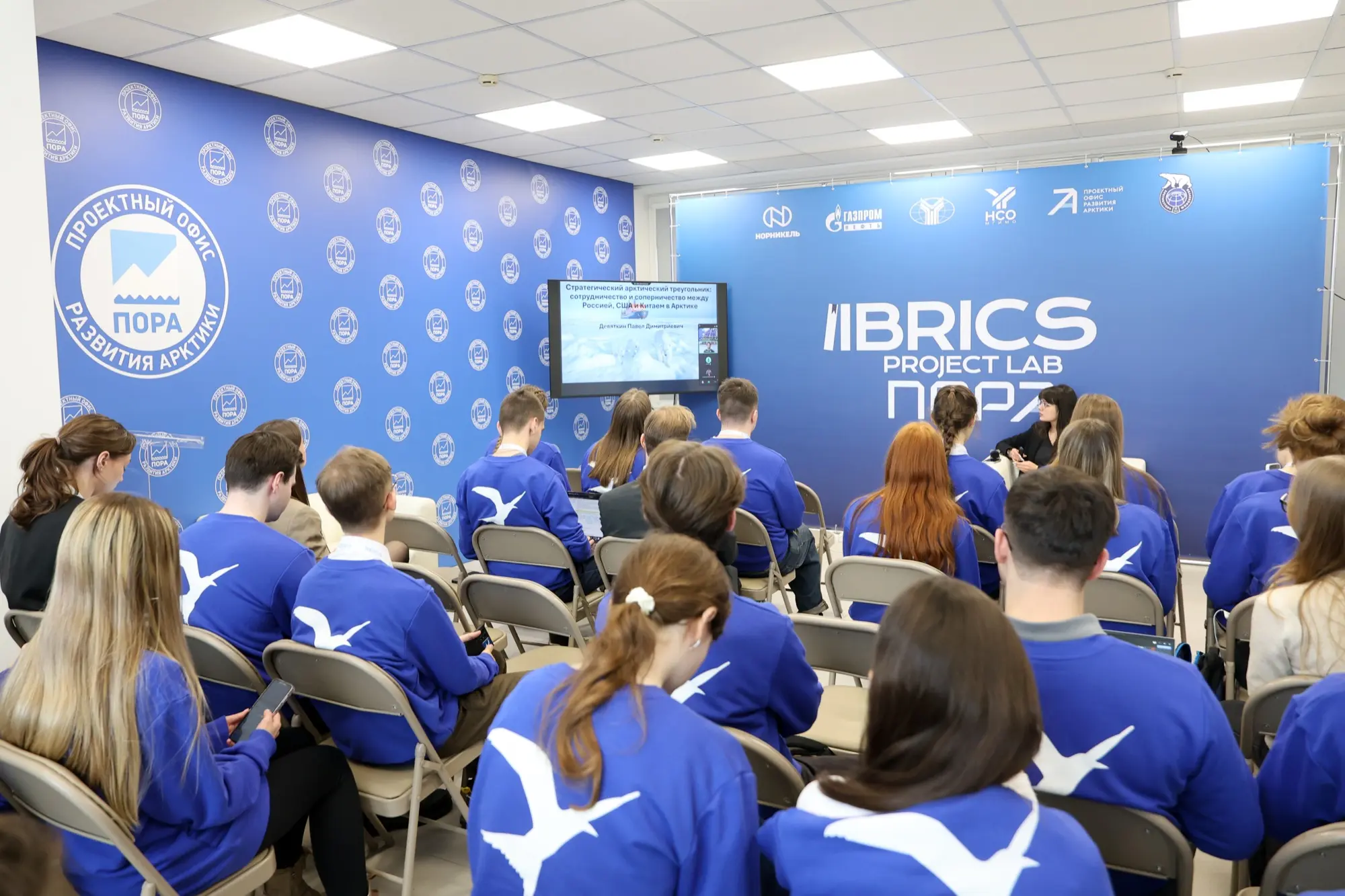
Pavel Devyatkin Analyzes Historical Dynamics of the Russia-USA-China Triangle
Issues of mutual trust within the Russia–USA–China triangle were raised in a lecture by Pavel Devyatkin, Senior Fellow at The Arctic Institute (USA), Non-resident Fellow at the Quincy Institute (USA), and Visiting Lecturer at HSE University. Since the 1970s, the ideologues and practitioners of American «realpolitik» have pondered the nature of the relationship between Russia...
read more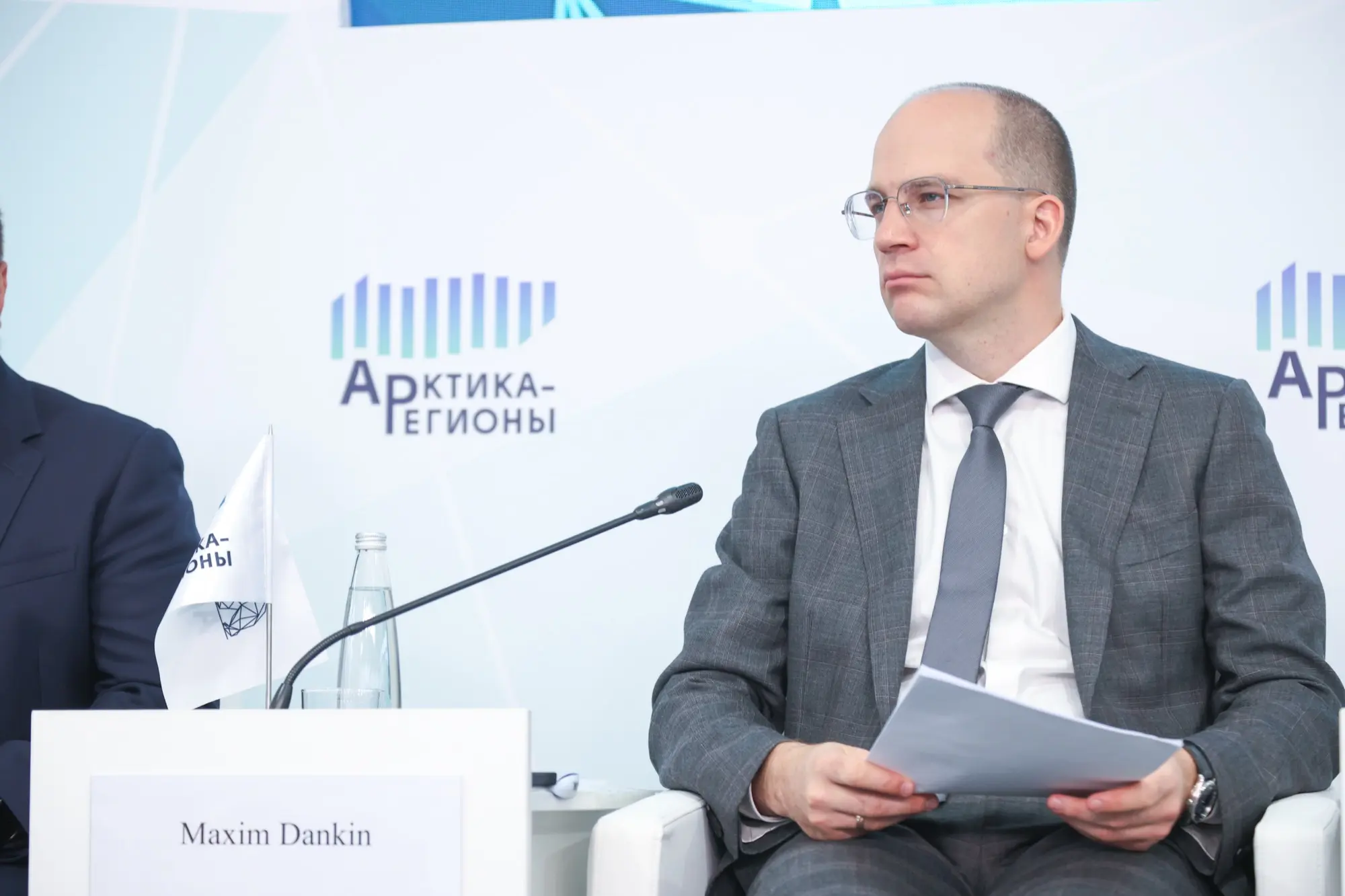
Maksim Dankin: The preferential regime in the Arctic should become more adaptive
At the Arctic – Regions Forum, participants discussed how to improve the effectiveness and transparency of preferential regimes and better account for the specific characteristics of different territories and industries Maksim Dankin, Director General of the Project Office for Arctic Development (PORA) and a member of the Public Chamber of Russia, served as moderator and...
read more