
Alexey Fadeev – on the situation with Europe’s purchase of Russian gas and Arctic hydrocarbon exports
EU restrictions on the development of the Russian oil and gas complex will not stop the Yamal LNG project, but will reformat its economic structure
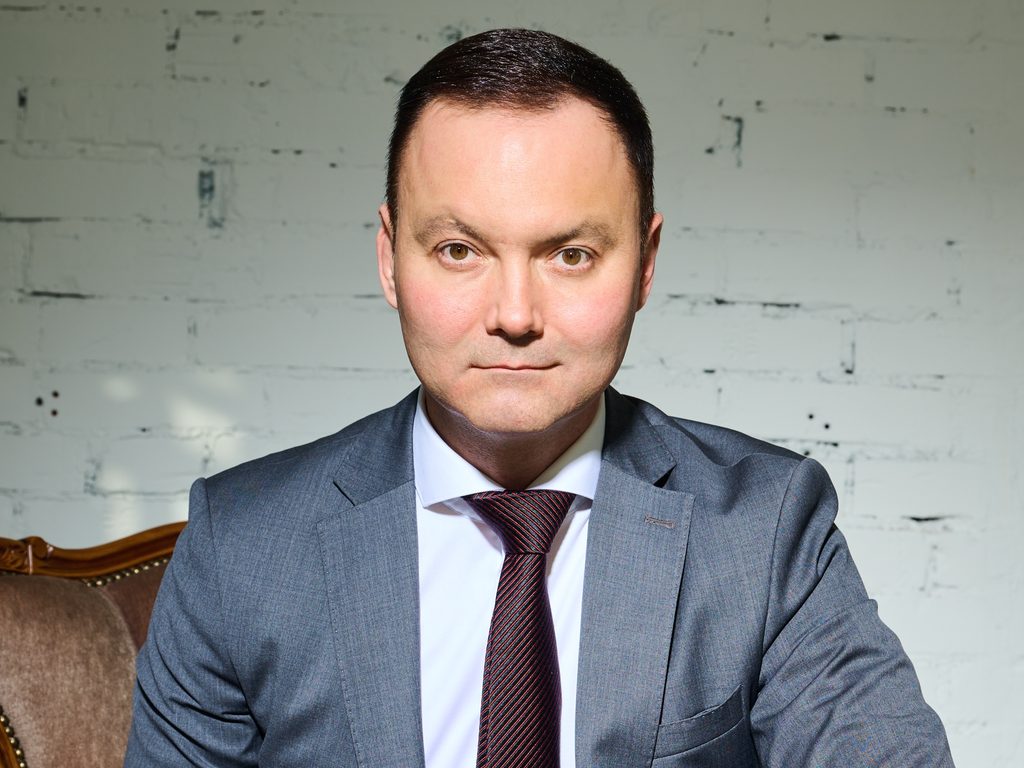
In the first 10 months of 2026, European Union countries paid about €8.7 billion for liquefied natural gas from the Yamal LNG project. This exceeds the figures for all of 2025. At the same time, the share of supplies to Europe decreased over the year from 96% to 81%. Commentary by Alexey Fadeev, Doctor of Economics, Chairman of the Expert Council on the Development of the Arctic Zone of the Russian Federation under the Committee on External Relations of St. Petersburg, Professor at the Higher School of Production Management of Peter the Great St. Petersburg Polytechnic University, and an expert at PORА.
Such a paradoxical picture is emerging due to several factors. First of all, it should be said that the «Take-or-Pay» condition («take or pay») is the foundation of project financing. For example, for the Yamal LNG project this is, in essence, a commercial guarantee of the operation of a large-capacity plant in which tens of billions of investments have been made. This condition presupposes that liquefied natural gas will be purchased regardless of whether the buyer actually needs this gas at the present moment or not. That is why Russian gas continues to flow to European markets.
At the same time, we see a decrease in the volume of supplies – from 96% to 81%, which indicates the ongoing diversification of the project’s sales markets – a reorientation of Yamal gas supplies to the countries of the Asia-Pacific region (APR). The record amount of payment for Russian gas is due, firstly, to the current gas price in Europe, and secondly, to the structure of long-term contracts, which include a formula linked to the oil basket (Brent). Another important factor in the increased demand for Russian gas is the factor of the approaching «deadline,» which determines the desire of European colleagues to fill storage facilities as much as possible with significantly cheaper (compared to American) Russian gas before a complete official refusal to purchase it.
Regarding the skepticism of European analysts about Russian gas supplies to APR markets, the following can be said: today the Russian Federation possesses the world’s largest fleet of icebreaking vessels in terms of number. Their number is 43 units, 8 of which are nuclear-powered (in 2027 the fleet is expected to be replenished, and there will already be 9 nuclear icebreakers). In essence, Russia has already made navigation along the Northern Sea Route (NSR) year-round, significantly increasing the tonnage of transit cargo going from Asia to Europe, turning the NSR from a niche logistics route into a real alternative to traditional international logistics routes.
It is also important to note the expected shipping tactics: an increase in the number of ice-class vessels on the NSR route contributes to the replacement of escorting single vessels by a convoy movement scheme, which ensures that the ice channel is constantly maintained free of ice. Also important is the correct use of the icebreaking fleet: the most powerful icebreakers can operate in the most difficult sections (Vilkitsky Strait, Ayon ice massif, Long Strait), handing over convoys of gas carriers and other escorted vessels along the logistics chain.
In addition, heavy and expensive ice-class vessels – gas carriers – do not necessarily have to reach the final point of the sales market in the APR. The optimal solution appears to be transshipment of LNG to conventional vessels, which are significantly cheaper in terms of freight cost, with the rapid return of Arc 7 class vessels to the place of new LNG bunkering.
Once again, it is possible to express confidence that the restrictions introduced by the European Union regarding the development of the Russian oil and gas complex will not stop the Yamal LNG project, but will reformat its economic structure: a slight increase in transport costs per ton of product is possible, however, the synchronization of the commissioning of new nuclear-powered icebreakers, the increase in the number of ice-class fleet vessels, and Russia’s final transition to year-round convoy escort in the eastern sector of the NSR are already today turning Arctic exports into a fully autonomous, sovereign system that does not depend on the political actions and decisions of the European Union.
The Project Office for Arctic Development and the editorial board of GoArctic.ru do not necessarily share the opinions expressed by experts.
For media representatives: we welcome the republication of comments provided that an active link to the original source is given and the columnist’s status as an expert of the Project Office for Arctic Development is indicated.
Оthers Our comments
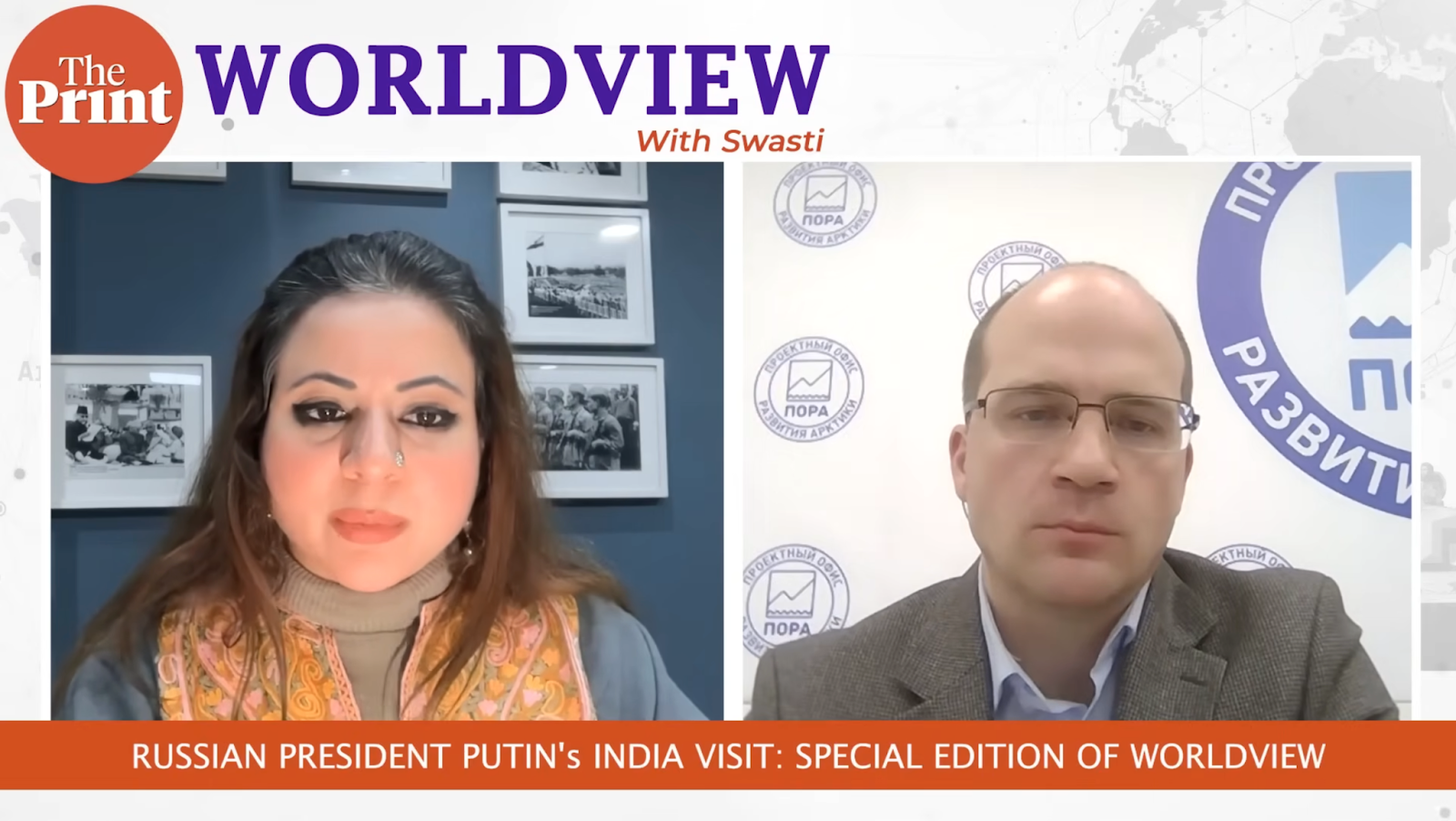
Maksim Dankin Highlights Arctic Economic and Investment Potential to Indian Media
In an interview with an Indian The Print, PORA Director General Maksim Dankin highlighted promising avenues for economic collaboration between Russia and India within the Arctic region. The discussion encompassed potential strategies for bolstering bilateral trade relations. Interviewer: What economic opportunities does Arctic cooperation with Russia offer India in the current geopolitical situation? Maksim Dankin:...
read more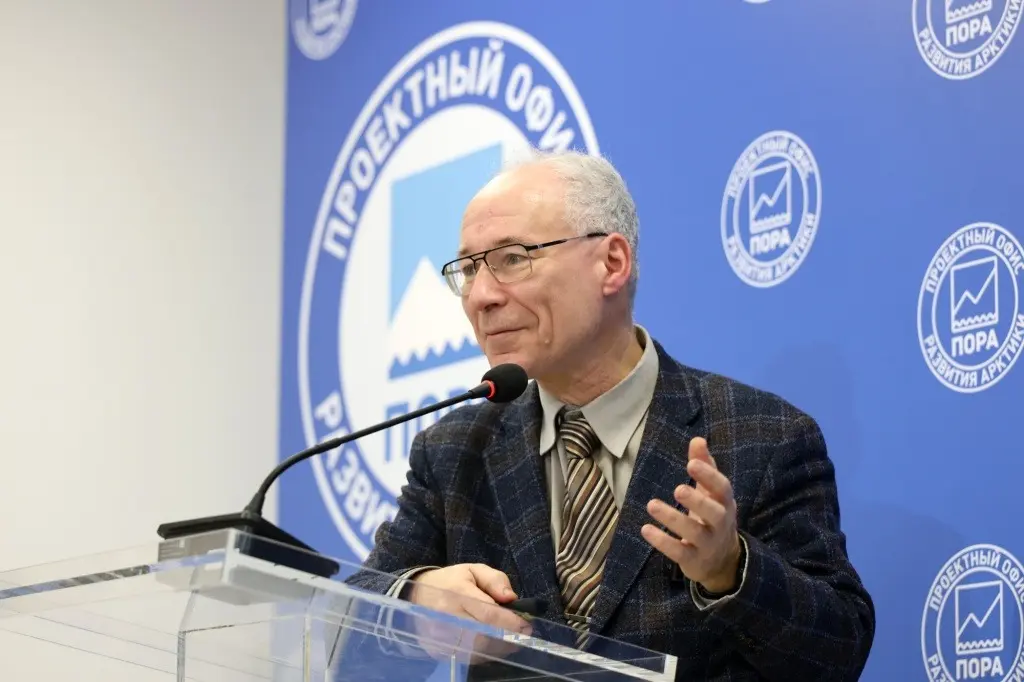
Proxy Governance Model for Greenland: An Option for the U.S. Foreign Policy?
Alexander Pilyasov, Doctor of Science (Geography) and Professor at Lomonosov Moscow State University, proposes that Donald Trump could leverage proxy organizations to manage economic activities and resources in Greenland. Drawing on historical precedents such as the Hudson’s Bay Company, the East India Company, and the Tennessee Valley Corporation, Dr. Pilyasov highlights the effectiveness of this...
read more