
Maksim Dankin: Arctic cities are laboratories, not just places to live
Why are the North and the Arctic different worlds and concepts, and why is competition between cities more dangerous than their cooperation?
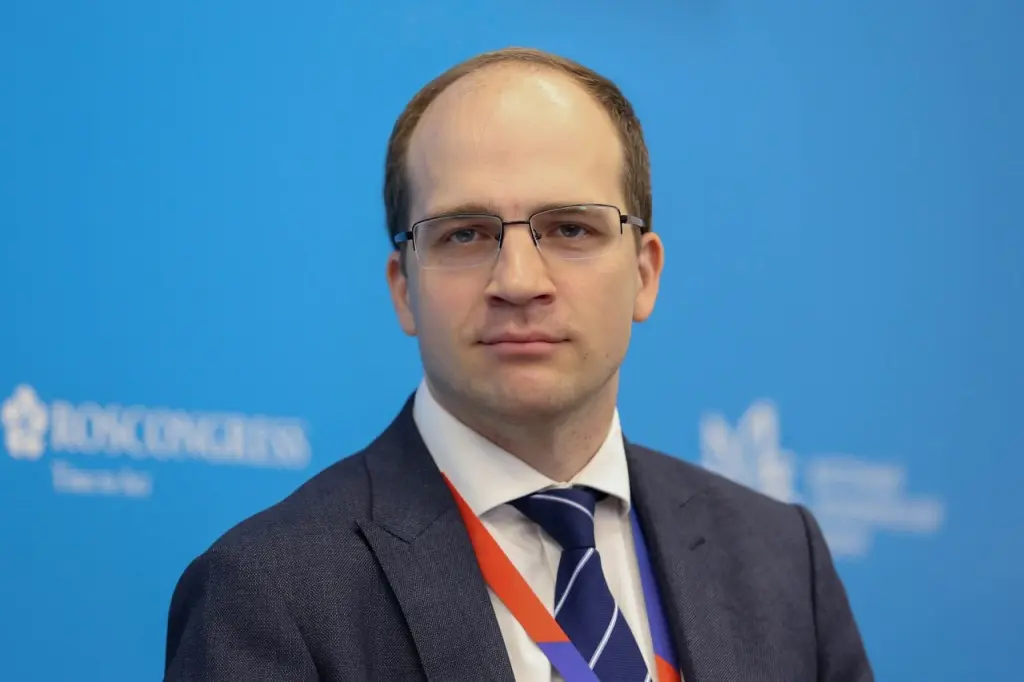
Every city in the Far North is historically formed as a specialized testing ground for testing unique systems of extraction, energy, and monitoring – it is forced to be an innovative center, otherwise it will not survive. This view was expressed by Maxim Dankin, Director General of the Expert Center PORА, in an interview with Lenta.ru. For our readers, we present the main points of the conversation and suggest reading the full version on the online publication’s website.
«The territories of the Far North are places where it is simply impossible to survive without innovation,» Dankin emphasized. The specialization of each such city is strictly tied to a resource or climate; they are effectively laboratories, constantly developing and implementing unique technologies for living, industry, energy, extraction, water treatment, and so on. «Norilsk is, of course, a laboratory for studying and monitoring permafrost, as well as for developing metallurgical technologies. A good example is the underground unmanned technologies being implemented by Nornickel,» the expert said. He recalled that Salekhard hosts a scientific center for permafrost monitoring across the entire Yamal region, while enterprises in Usinsk are focused on extracting oil from complex reservoirs.
At the same time, Dankin emphasized that when cities begin to duplicate functions, competition between them becomes destructive. «Imagine: in one region, two municipalities decide to build two identical electrical equipment plants. A competent governor will gather the investors and say: ‘Guys, you won’t split the market, you’ll both be inefficient.’ On a national scale, it’s the same: if cities take on identical functions, they do not make things better for themselves or for the state, so cooperative ties need to be established,» Dankin explained. As a successful example of cooperation, the expert cites the link between Norilsk and Dudinka, which «are in complete technological dependence on each other.»
The identity of northern cities, according to Dankin, does not always align with administrative borders. He develops this idea using once again the example of Norilsk, a city of regional subordination in the north of Krasnoyarsk Krai. «When we look, for instance, at Norilsk from the perspective of geographical identity, saying that it is just a district center means belittling its real scale… For positioning, it is much more correct to build a connection specifically with Taimyr. This linkage works better than being tied to a federal subject and gives Norilsk a fundamentally different scale and resonance on the country’s map,» Dankin believes. In his words, Norilsk’s identity is being shaped precisely as the capital of Russia’s Eastern Arctic – after all, it is through this city that the development of Taimyr is being carried out, and it is here that personnel are trained for working in polar conditions across various Arctic regions.
The expert also warned against illusions regarding the development of service and creative economies in single-industry towns of the Far North. «There is no need to convince mayors that they will develop a service economy and will no longer need Lukoil or Gazprom… In Norilsk, for example, there are not even federal retail chains – it is economically unfeasible. Local retail exists with the support of Nornickel. And that is normal… The service economy is an important social function, but it is not about replacing the dominant economic sector of the city,» Dankin noted. In his opinion, if such cities lack a core industry, no creative economy will be possible there: «Small business, creative industries, and tourism are important, but they belong to the social component – they give people freedom, but they do not replace the basic sector.»
Оthers Our comments
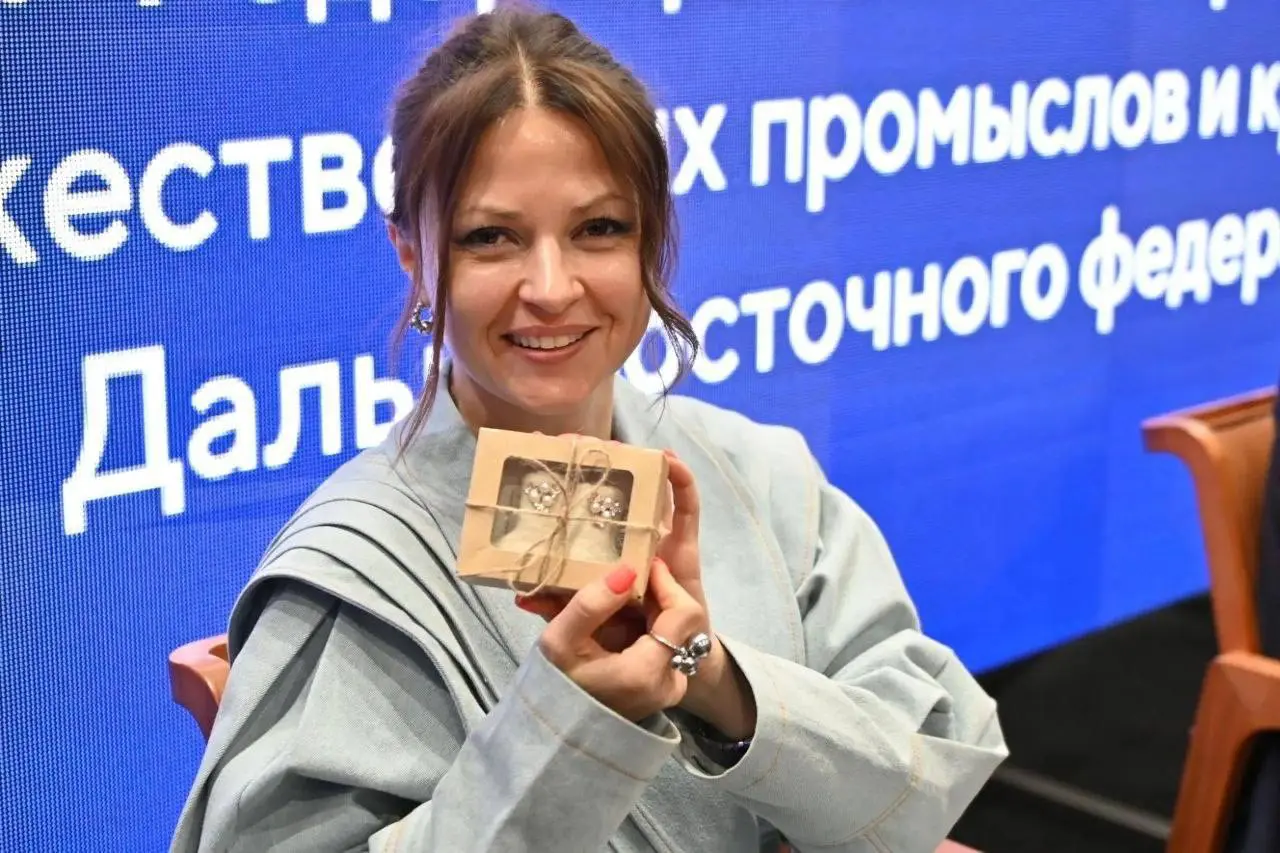
Yulia Alferova. The Creative Arctic: How to Turn the Uniqueness of a Territory into an Economic Resource
Which areas of the Creative Economy Development Strategy require special attention in the Arctic regions, and why a universal model for the entire Arctic does not exist Russia’s current Creative Economy Development Strategy through 2036 sets a framework for the regions: by 2030, the contribution of creative industries to the country’s economy must grow to...
read more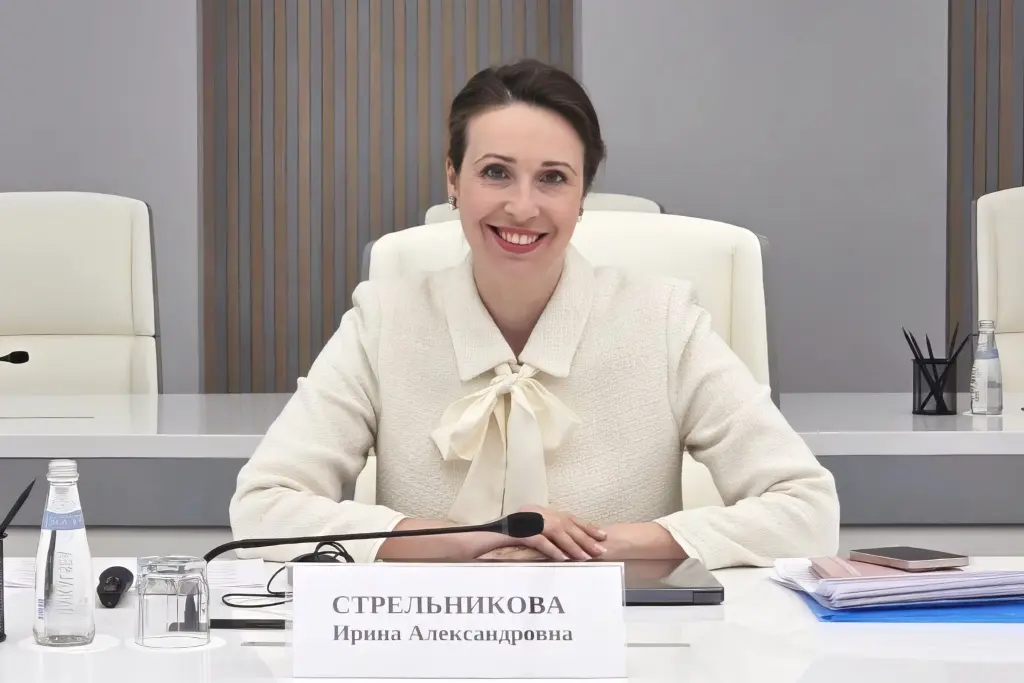
Irina Strelnikova: The XVIII BRICS Summit and the Development of Cooperation in the Arctic
The bet is on the gradual accumulation of institutional mass, and the Arctic remains in the strategic focus of the association’s member countries On 12–13 September 2026, the XVIII BRICS Summit was held in New Delhi (India), timed to coincide with the 20th anniversary of the association, when in September 2006 the foreign ministers of...
read more