
Mikhail Cherosov: «The Rights of Arctic Peoples Must Not Become the Price for the Green Transition»
Yakutia’s experience with ethnological expert reviews offers an example of the right balance between the country’s economic development goals and preserving the ancestral habitat and traditional way of life of Indigenous peoples
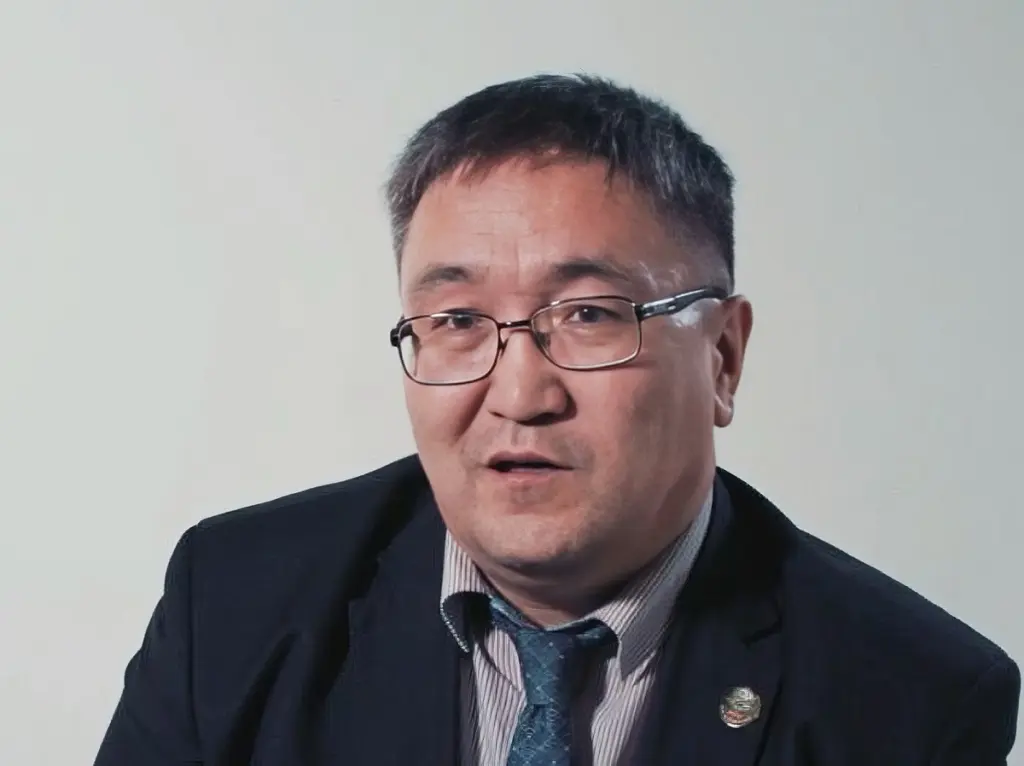
The growing global demand for critical minerals for green energy and technologies is putting intense pressure on Indigenous lands and threatens to infringe upon their rights – this was stated in Geneva by UN High Commissioner for Human Rights Volker Türk. This challenge is also detailed in the official report (pdf, ru) of the UN Permanent Forum on Indigenous Issues: «More than half of the mining projects for minerals needed for the energy transition are implemented on or near Indigenous lands and territories,» the document states (pdf). Commenting is ПОРА expert Mikhail Cherosov – Chairman of the Public Council under the Ministry of Ecology of Yakutia, Doctor of Biological Sciences, Director of the Yakut Research Institute of Agriculture – a separate subdivision of the Federal Research Center «Yakut Scientific Center of the Siberian Branch of the Russian Academy of Sciences.»
The growing global demand for critical minerals for green energy and technologies is putting intense pressure on Indigenous lands and threatens to infringe upon their rights – this was stated in Geneva by UN High Commissioner for Human Rights Volker Türk. This challenge is also detailed in the official report of the UN Permanent Forum on Indigenous Issues: «More than half of the mining projects for minerals needed for the energy transition are implemented on or near Indigenous lands and territories,» the document states (pdf). Commenting is ПОРА expert Mikhail Cherosov – Chairman of the Public Council under the Ministry of Ecology of Yakutia, Doctor of Biological Sciences, Director of the Yakut Research Institute of Agriculture – a separate subdivision of the Federal Research Center «Yakut Scientific Center of the Siberian Branch of the Russian Academy of Sciences.»
The UN statement on risks to Indigenous peoples due to mineral demand prompts a fresh look at Yakutia’s experience in balancing industrial development with protecting the ancestral habitat of Indigenous peoples of the North.
Yakutia has developed one of the most advanced regulatory frameworks in this regard. Back in 2010, the Republic of Sakha legislatively enshrined a mechanism that still does not exist in many Western countries. I am referring to mandatory ethnological expert reviews. This is not just a formality: a subsoil user company, before starting development, is required to assess the damage to Indigenous peoples and compensate for it. This is a systemic approach at the regional level, and it truly works.
The numbers and court precedents speak for themselves. To date, more than 80 such studies have been conducted. The total amount of assessed damage has exceeded 1.5 billion rubles. And this is not «paper» money. There are specific court rulings that have compelled companies to pay. So the mechanism works, and that is a fact.
The arsenal of measures is impressive, but the main problem lies in enforcement. In addition to the expert review, the legislation provides for serious leverage – up to and including the suspension of an enterprise’s operations for environmental violations. The tools are there. However, let’s be honest, enforcement practices lag behind. Out of more than a thousand licenses issued, only a few dozen have actually undergone a review – and only in cases where new licenses are obtained. Many companies have learned to circumvent the compensation mechanisms. This is a systemic problem, and currently, the republic’s parliamentarians are working to elevate this to the federal level, embedding stricter requirements. We need not just norms, but the inevitability of their application.
At the same time, if we examine Western rhetoric, one can notice that statements in defense of Indigenous peoples often diverge from actual deeds. The politicization of this issue has, unfortunately, become commonplace. For us, it is more important not to participate in this game, but to work on legislation, absorbing the best global approaches while adjusting for our realities. Dialogue, including with UN institutions, is useful, and it should be constructive.
The key question is always one of balance. How do we avoid halting economic development, which is necessary for the entire country, while also not destroying the habitat and traditional way of life of Indigenous residents? For them, this land is life, home, and the memory of their ancestors. We are obliged to find a compromise, and Yakutia’s experience with ethnological expert reviews is one important step in this direction – one that should be improved, not rolled back.
The Project Office for Arctic Development and the editorial board of GoArctic.ru do not necessarily share the opinions expressed by experts.
For media representatives: we welcome the republication of comments provided that an active link to the original source is given and the columnist’s status as an expert of the Project Office for Arctic Development is indicated.
Оthers Our comments
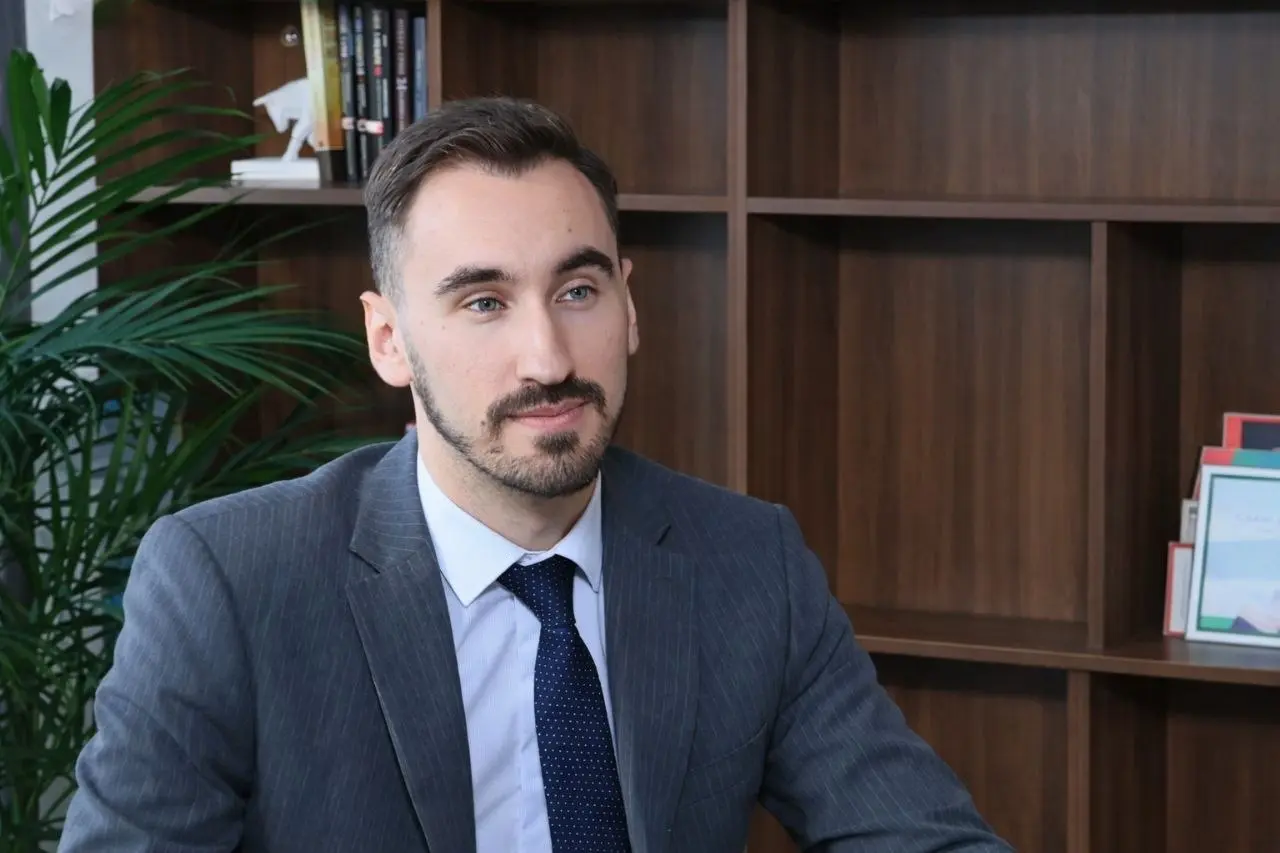
Ilia Vorobev – What Actually Makes the Northern Sea Route Competitive
A shorter route does not guarantee economic benefits or a lower climate impact; the Northern Sea Route becomes competitive when it offers carriers a predictable alternative to traditional corridors On August 22, 2026, the container vessel PanStar Acro departed Busan for Europe via the Northern Sea Route. This is South Korea’s first commercial voyage to...
read more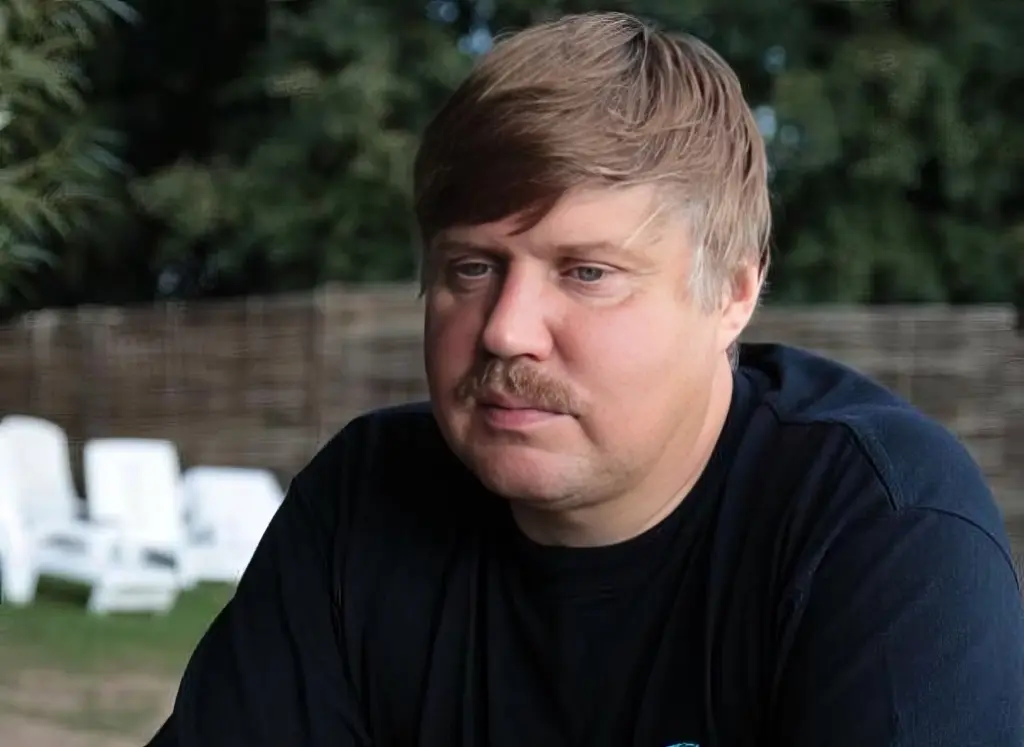
Why Is Washington Openly Disregarding International Law in the Greenland Issue?
US President Donald Trump has repeatedly and publicly mentioned plans to bring Greenland under US control — “one way or another,” whether through purchase or by force. Why is he pursuing this, and what could it mean for international cooperation in the Arctic? Dr. Andrey Krivorotov, Doctor of Economics, Acting Head of the Department of...
read more