
Maria Lagutina: The Arctic Has Become a Prestigious Arena of Global Influence for BRICS Countries
Non-Arctic members of the grouping are actively engaging with the Arctic agenda through climate and scientific cooperation, while collaboration is advancing through depoliticized research projects and working groups

May 15, 2026
Maria Lagutina, Editor-in-Chief of the academic journal «Arctic 2035: Current Issues, Challenges, Solutions», published by the PORA Expert Center, and Professor at St. Petersburg State University, took part in a discussion held on May 14, 2025, at the Eurasia Today International Multimedia Center as part of the project Eurasian Vector: Our Neighbors. Below is an overview of the expert’s remarks.
According to Maria Lagutina, the main challenge facing Arctic cooperation within BRICS stems from the differing «polar identities» of its member states. Russia is the only Arctic nation within the group, whereas the other participants have different interests and a significantly lower level of involvement in Arctic affairs.
Despite concerns that the expansion of BRICS to include countries from Africa, the Middle East, and Asia would lead to stagnation in Arctic cooperation, this has not happened. Lagutina pointed to the growing interest in the Arctic among the new non-Arctic BRICS members. She emphasized the globalization of the Arctic agenda: today, the macro-region attracts countries from Africa, Asia, and the Middle East with unique opportunities, including access to new transport routes, energy projects, and climate diplomacy.
According to the expert, the United Arab Emirates has taken the most active position among the new BRICS members, having adopted its own polar strategy in 2024. Iran is also showing interest in linking the North–South Transport Corridor with Arctic routes. Egypt and Ethiopia, Lagutina noted, are primarily focused on climate issues and adaptation to climate change.
Non-Arctic countries are actively engaging through climate and scientific cooperation, while collaboration is developing through depoliticized research initiatives and working groups.
More broadly, the Arctic is no longer perceived as a peripheral region of world politics and has instead become a prestigious arena of global influence, Lagutina concluded. For China, India, the UAE, and other «rising powers», participation in Arctic affairs has become part of the broader struggle for a new world order and a way to assert their claims to the status of global centers of power.A recording of the discussion is available via the link.
Оthers Our news
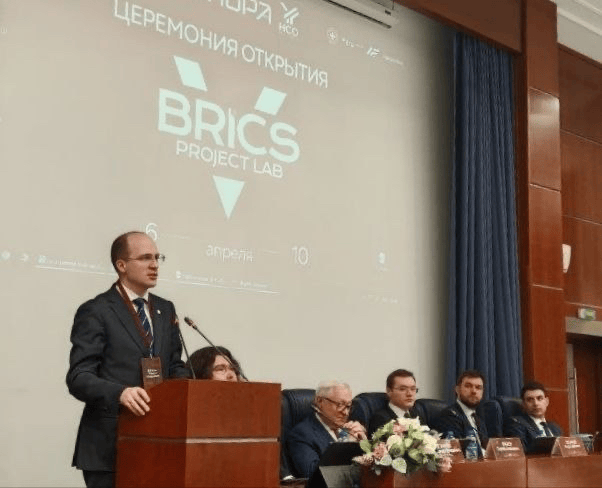
Maksim Dankin Speaks to Participants of BRICS Project Lab
The 5th International Youth BRICS Project Lab has transitioned to its in-person phase at MGIMO University. Following two weeks of remote collaborative work on their respective projects, participants have convened for a five-day program encompassing expert presentations, facilitated discussions, and the refinement of proposed solutions. The inaugural ceremony was graced by the presence of Sergey...
read more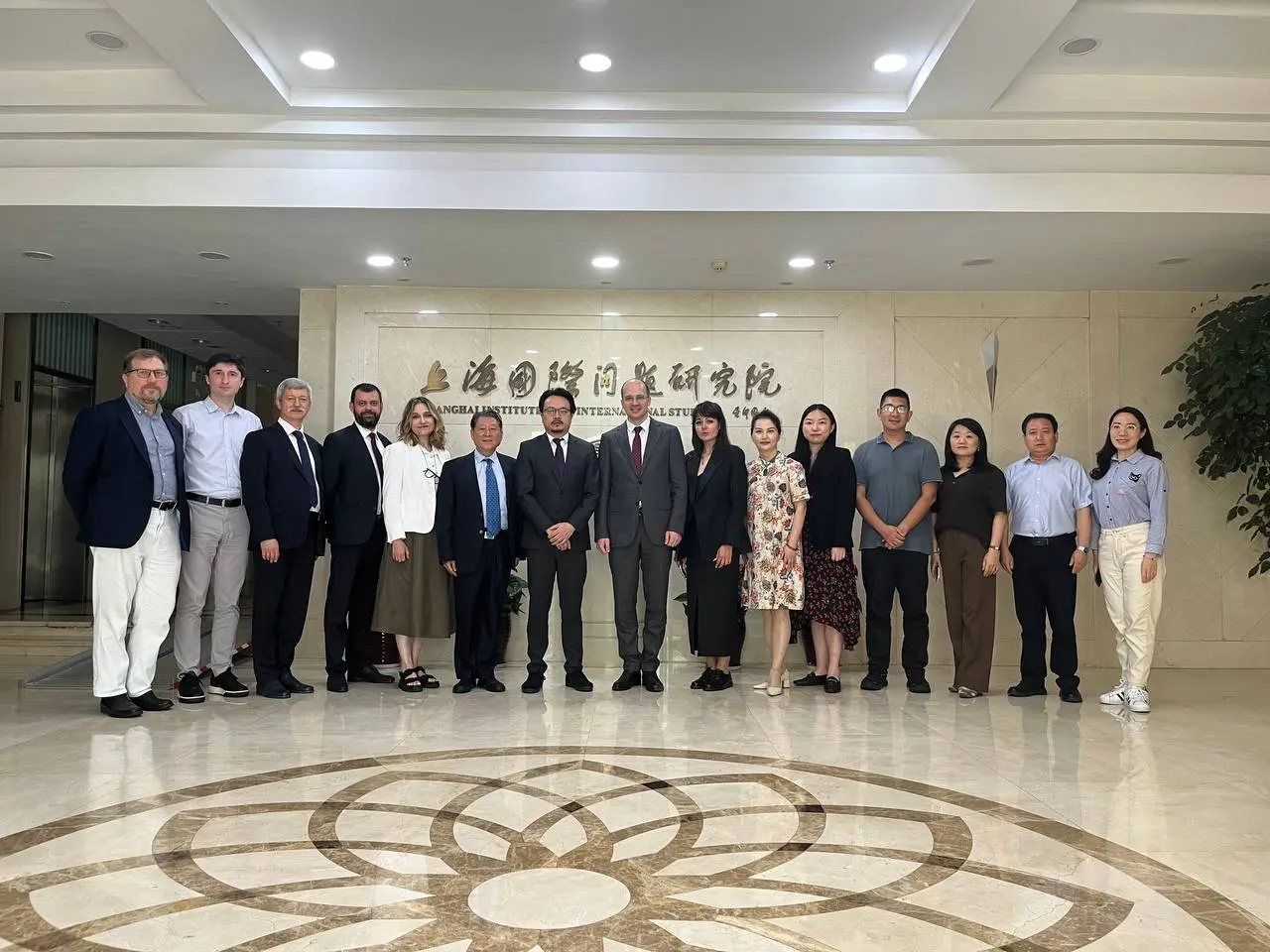
PORA Organizes Business Visit of Russian Delegation to China
Representatives of research organizations and major companies hold talks, participate in roundtables, and visit high-tech enterprises and research centers in Qingdao and Shanghai May 26, 2026 The Project Office for Arctic Development (PORA Expert Center) is organizing a business visit of a Russian delegation to China with the aim of promoting technological and scientific cooperation...
read more