
PORA Sums Up Results of Russian Delegation’s Business Visit to China
Scientific and technical cooperation with Chinese partners is planned to be developed, including in the construction of TTC infrastructure with the implementation of solutions to reduce the carbon footprint and develop the «blue» economy
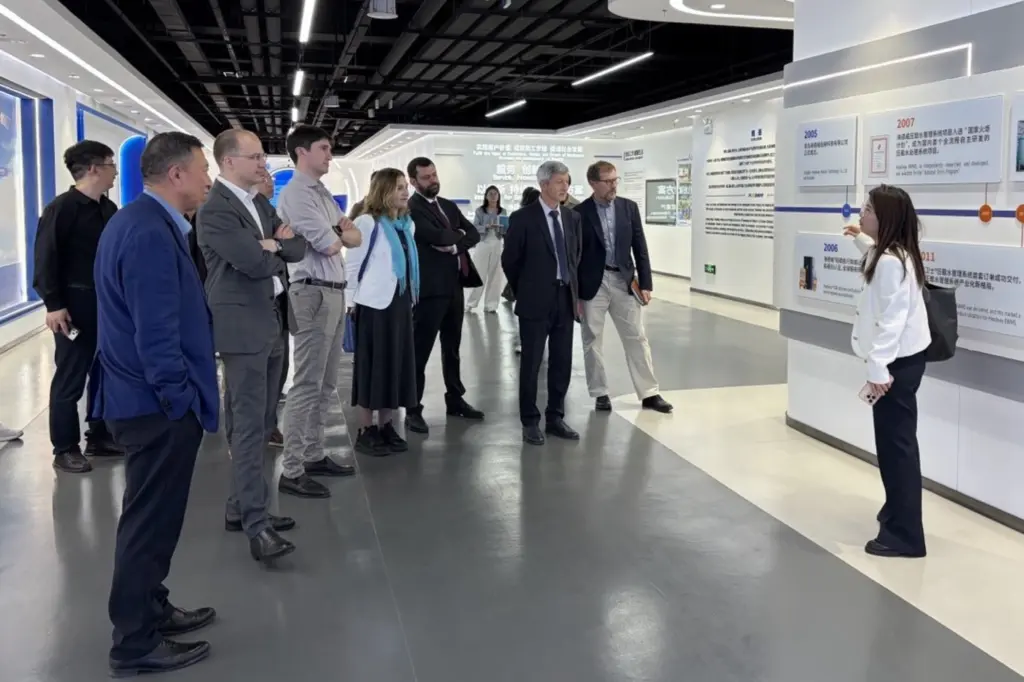
Russian and Chinese specialists assessed the potential for developing and applying climate solutions in the territory of the Russian Arctic Zone during expert discussions and knowledge-sharing events organized by the Autonomous Non-Profit Organization «Expert Center – Project Office for Arctic Development (PORA)» together with Chinese partners in the cities of Qingdao and Shanghai from May 21 to 27, 2026. In addition to PORA experts, the delegation included representatives of Nornickel, Gazprom, the Yu.A. Izrael Institute of Global Climate and Ecology, and Shenzhen MSU-BIT University.
Over the course of a week, the Russian delegation familiarized itself with the activities of leading Chinese scientific and analytical centers, held negotiations with major technology companies specializing in the development of low-carbon technologies for industrial needs, carbon regulation strategies for maritime logistics, research into renewable energy potential, the use of new materials and construction technologies in permafrost conditions, and offshore oil and gas extraction projects.
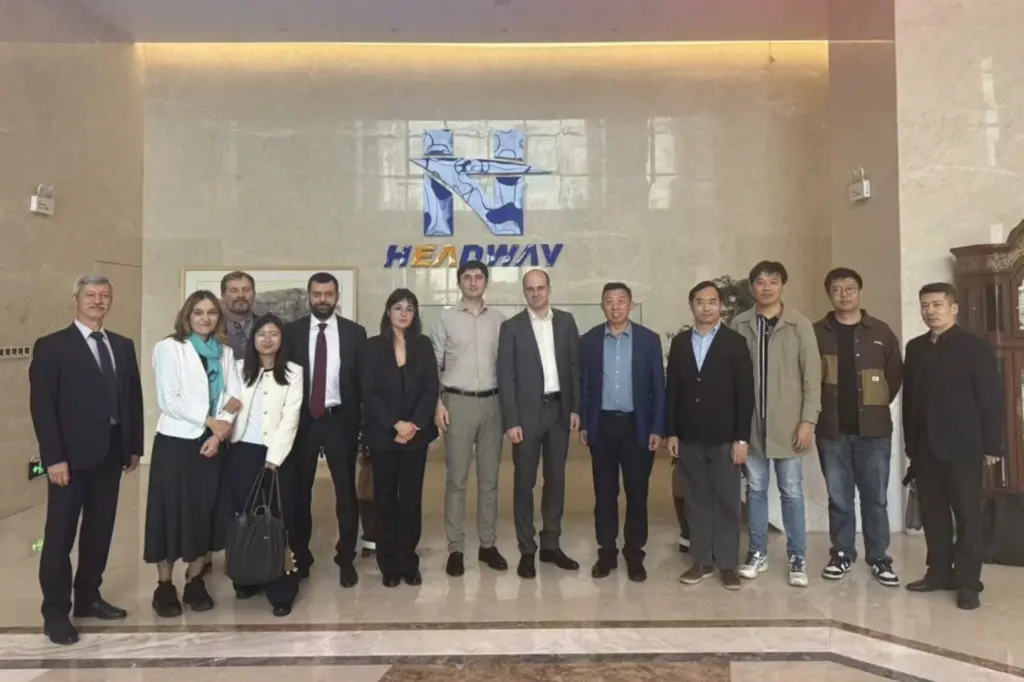
In Qingdao, the Russian delegation was presented with carbon capture and storage technologies, ballast water treatment systems, alternative fuel supply systems for marine engines, smart ship management systems, and energy efficiency monitoring platforms used on Chinese commercial vessels. During expert meetings organized with the support of the Ocean University of China, representatives of Headway Technology Group spoke about the methodology that ensures a closed carbon cycle in China and offered Russian participants comprehensive solutions for reducing emissions from marine vessels – from design to equipment and software supply.
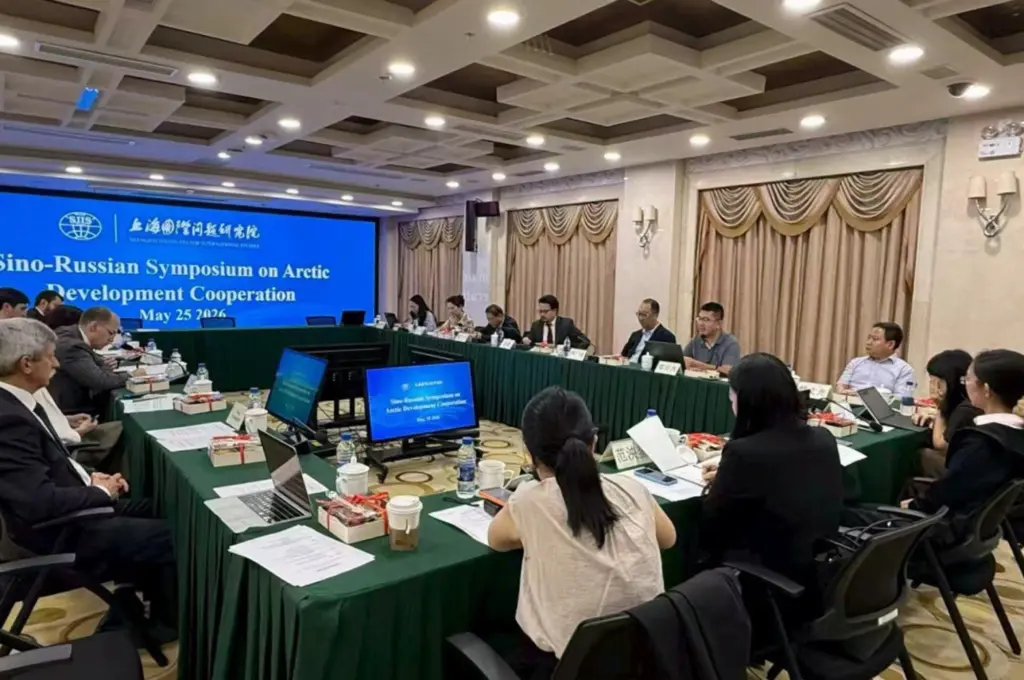
The roundtable at the Shanghai Institute for International Studies was devoted to analyzing the conceptual approaches of Russia and China to the development of Arctic shipping, existing constraints on the use of the Northern Sea Route (NSR) by Chinese shipping companies, and possible strategies for the digitalization of Arctic ports. On the sidelines of the meeting, representatives of New New Shipping presented their plans for shipping along the NSR, assessed the current cargo handling capacity of Arctic ports, proposed launching new container lines, and outlined expectations regarding the extension of the navigation period.
The agenda of the meeting at the engineering company Sinopec, which specializes in the design and supervision of oil refining, petrochemical, coal chemical, and pharmaceutical facilities, included issues of Russia-China cooperation in the petrochemical industry market, the construction of storage infrastructure and ensuring the continuous operation of oil and gas facilities in China and partner countries, the integration of new materials and renewable energy into the oil and gas sector, and others. Participants also discussed plans to increase gas processing and petrochemical centers and assessed the potential for applying Chinese technologies in promising extraction projects in the Russian Arctic.
On the final day, the delegation held negotiations with CCCC First Highway Consultants – a leading global developer of road construction technologies on permafrost. At the meeting, participants discussed projects for the construction of deep-water ports, the expansion of the Northern Sea Route, the laying of new railways and ensuring navigation in the eastern sector, as well as the specific features of building new supporting infrastructure in the Arctic, including the development of inland waterways, the construction of feeder pipelines from mainland fields to marine terminals, and the construction of roads.
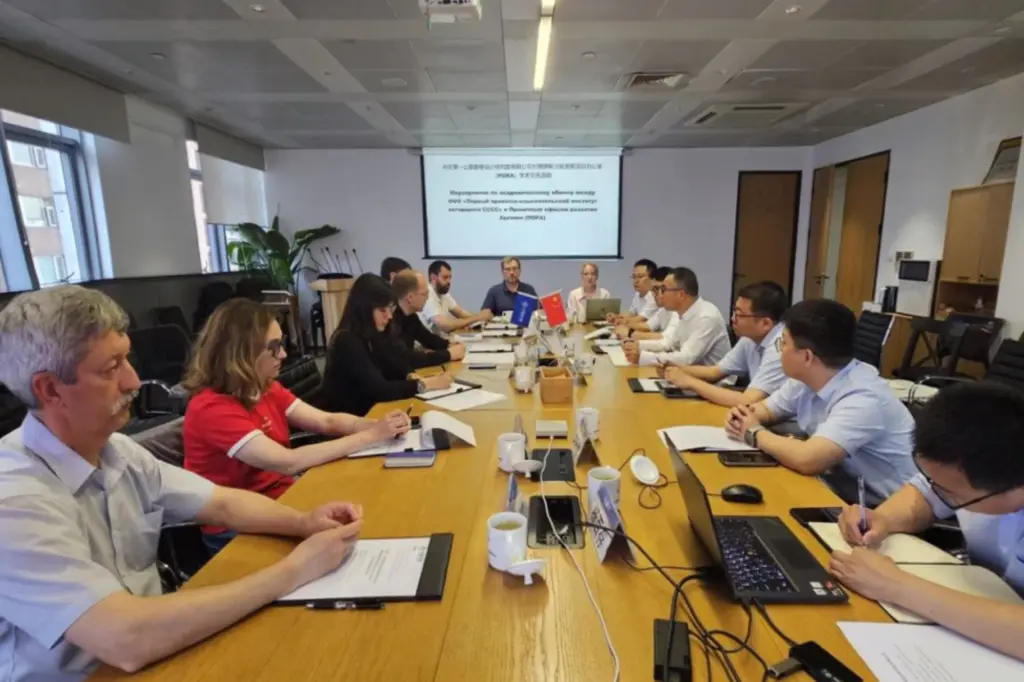
Chinese partners expressed their intention to develop scientific and technical cooperation with Russia, including in the analysis and assessment of transport infrastructure construction and maritime logistics management within the framework of creating the infrastructure of the Trans-Arctic Transport Corridor (TTC) with the implementation of solutions to reduce the carbon footprint and develop the «blue» economy.
Оthers Our news
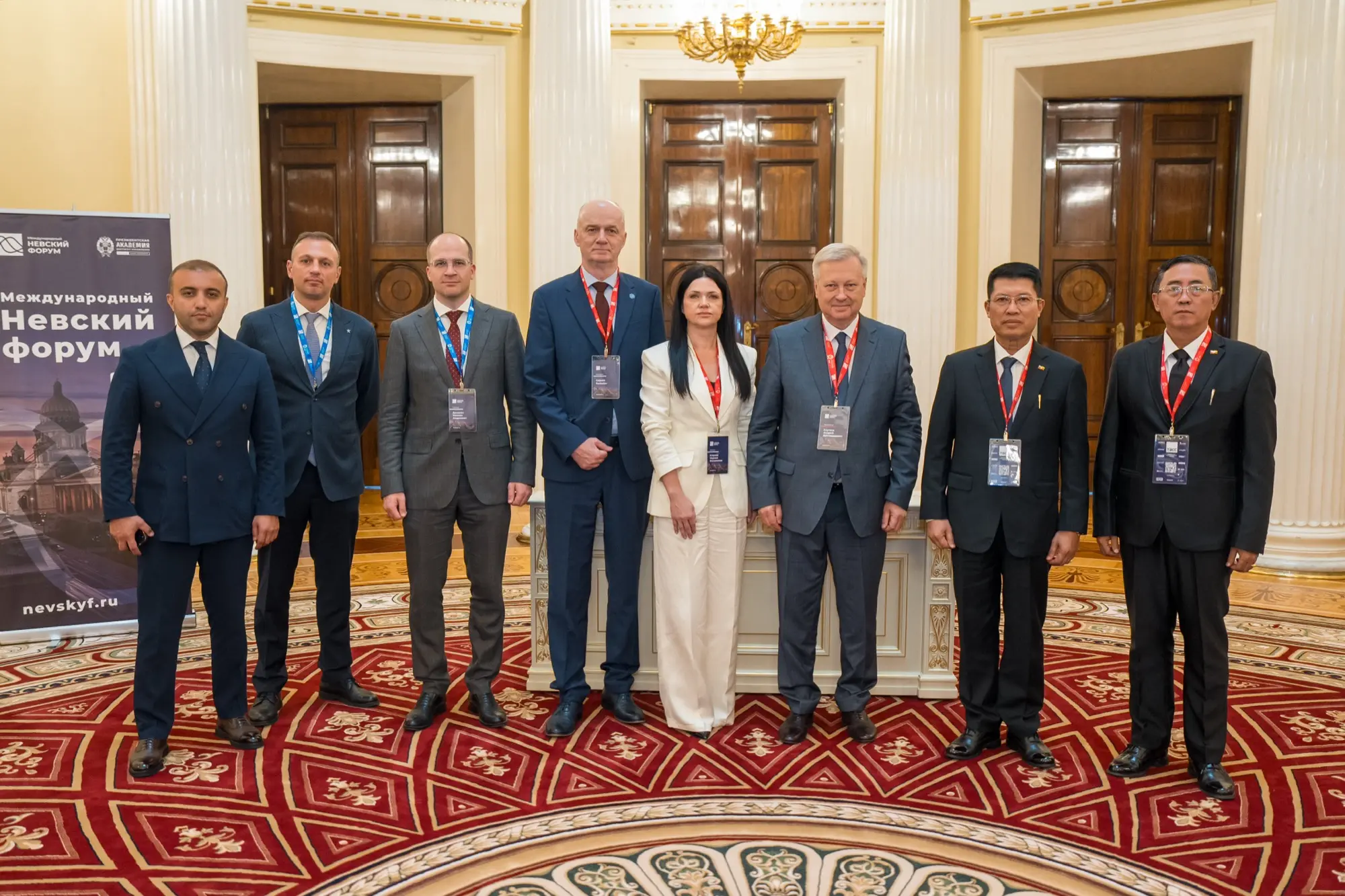
PORA and the North-West Institute of Management – a branch of RANEPA – to jointly engage in Arctic research
A cooperation agreement between the organizations was signed on the margins of the X International Nevsky Forum in Saint Petersburg. During the X International Nevsky Forum on June 26, 2026, a cooperation agreement was signed between the North-West Institute of Management – a branch of the Russian Presidential Academy of National Economy and Public Administration...
read more
PORA and China’s Leading State Laboratory Launch Platform for Experience Exchange in Permafrost Construction
The parties will promote research into advanced scientific developments to protect transport infrastructure under conditions of thawing permafrost PORA’s Expert Center and China’s State Key Laboratory of Durability and Safety of Road Infrastructure in Special Conditions have signed a cooperation agreement in the field of permafrost construction. The parties have agreed to develop expert dialogue,...
read more