
Maria Lagutina: The European Arctic Summit in Rovaniemi and the Formation of a New EU Arctic Strategy
A securitization of European Arctic policy is taking place; whereas previously it was built around issues of climate change, sustainable development, scientific cooperation, and environmental protection, today security issues are increasingly coming to the fore
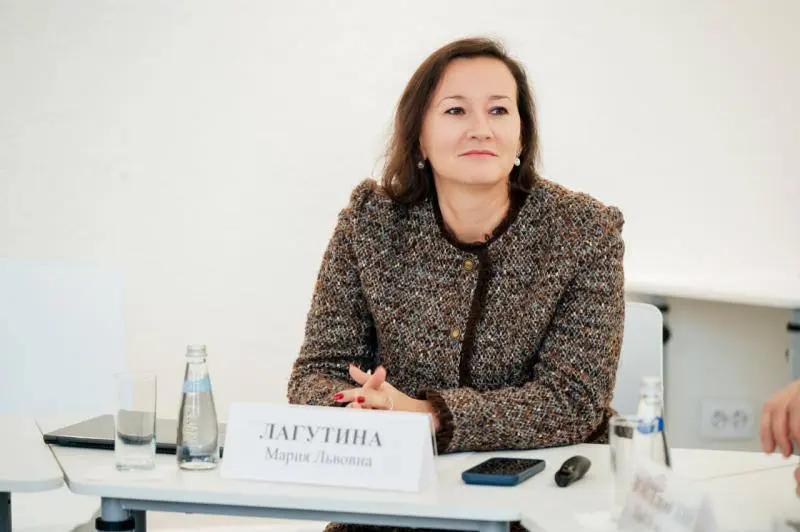
On September 13–14, 2026, an informal Arctic Summit of European Union countries was held in Rovaniemi, Finland. The meeting was organized on the initiative of Finnish Prime Minister Petteri Orpo. The main result of the meeting was the political consolidation of a group of EU states around the idea of the Arctic as a space of significance for the security, resilience, and economic competitiveness of the entire European Union, and not only its Arctic members, explains Maria Lagutina, Doctor of Political Sciences, Professor of the Department of World Politics at St. Petersburg State University, Leading Research Fellow at the Center for Asian-Arctic Studies of the Institute of China and Contemporary Asia of the Russian Academy of Sciences, and Editor-in-Chief of the journal «Arctic 2035: Current Issues, Problems, Solutions.»
On the sidelines of the summit or at the working dinner, Finnish President Alexander Stubb, Norwegian Prime Minister Jonas Gahr Støre, and Icelandic Prime Minister Kristrún Frostadóttir were present; the official joint statement was signed by 12 EU member states.
The composition of the summit participants is itself indicative. The meeting was not limited to the EU Arctic states – Denmark, Finland, and Sweden; it was also attended by European observer states in the Arctic Council – Germany, France, Poland, the Netherlands – as well as non-Arctic countries – the Baltic states, Romania, and Greece. Consequently, one of the political results of the summit was the spread of the idea of the Arctic as a common European strategic space. Thus, the European Arctic is defined in the final declaration as an «integral part of the European Union,» including land and sea spaces and the EU’s long external border with Russia.
The main final document was the Joint Statement of the European Arctic Summit of September 14, 2026. It was initially supported by 12 European countries (Finland, Denmark, Estonia, France, Greece, Germany, Latvia, Lithuania, the Netherlands, Poland, Romania, and Sweden), and later Italy also joined the declaration. As a result, the document reflects the position of 13 EU member states, but formally the declaration is not a document of the EU as a whole.
Based on the results of the summit in Rovaniemi, it is obvious that a securitization of European Arctic policy is taking place. Whereas previously EU policy in the region was largely built around issues of climate change, sustainable development, scientific cooperation, and environmental protection, today security issues are increasingly coming to the fore. The central innovation of European policy following the Rovaniemi summit, in our view, was the inclusion of the Arctic in the overall system of European security. Indicative in this regard is the visit by summit participants to the Lapland Air Wing airbase. The very fact of including a military facility in the program of a political summit strengthens its military-political dimension. European Council President António Costa formulated this approach with utmost clarity: «What happens here is not a regional but a common European issue. This means that the security of the Arctic is the security of Europe.» He further emphasized that the previous priorities – climate, sustainable development, and peaceful cooperation – remain, but must be adapted to new geopolitical realities.
The text of the final declaration states that the transformation of the region is determined simultaneously by intensifying great-power competition, the consequences of the conflict over Ukraine, China’s growing interest in security issues in the Arctic (China is not yet defined as a threat), and the acceleration of climate change. A special place is occupied by Russia, which the states signing the declaration characterize as a source of long-term threat to Euro-Atlantic security (the significant and long-term threat Russia poses to Euro-Atlantic security) and link the need to strengthen the EU’s Arctic policy to Russian military activity, Moscow’s desire to expand influence in the region, and the growth of hybrid activity. For Russia, such a position means a further narrowing of the space for the previous model of «Arctic exceptionalism,» according to which regional issues were, where possible, separated from conflicts in other regions of the world political system.
Instead, the opposite logic is being formed: European security is viewed as a single space including the Baltic Sea, the northern and eastern flanks of the EU, the North Atlantic, and the European Arctic. Particularly indicative is the declaration’s direct reference to the need for EU interaction with NATO: «cooperation and complementarity, above all with NATO’s activities in the field of deterrence and defense.» The EU is, of course, unlikely to seek to replace NATO in the sphere of «hard» security; in our view, what is meant is the formation of a kind of functional division of labor, in which NATO retains the leading role in collective defense, while the EU is able to concentrate on the development of infrastructure, military mobility, protection of critical facilities, industrial policy, energy resilience, satellite systems, investment, and civil preparedness.
From this follows a broader interpretation of the concept of «security.» In the final document, defense, military mobility, critical infrastructure, transport and digital connectivity, satellite technologies, shipping, energy, scientific research, environmental sustainability, and the position of indigenous peoples are combined into a single system. Within such an integrated approach to understanding security, roads and railways become simultaneously an instrument of regional development and military mobility, a satellite system becomes both commercial infrastructure and a means of surveillance, a port becomes an element of the economy and strategic logistics, and an icebreaker fleet becomes a transport and at the same time strategic asset.
For Russia, the transport part of the newly emerging EU strategy in the Arctic is especially important. At the same time, issues of developing Arctic shipping were reflected more noticeably in the discussions at the summit itself than in its final declaration. At the press conference following the meeting, participants linked the opening of new sea routes to climate change, the need to develop icebreaking capabilities, and the strengthening of EU transport infrastructure. Particularly indicative was the statement by European Commissioner Jozef Síkela, who noted that new trade and shipping routes and the possibility of shortening the transport route between Asia and Europe should become part of the discussion when developing the new EU Arctic Strategy. Thus, the potential development of trans-Arctic shipping is regarded by European institutions as one of the elements of the emerging Arctic agenda, although the Northern Sea Route (NSR) as a specific route is not separately singled out in the summit’s final declaration.
Special attention in Rovaniemi was paid to icebreaking capabilities. Thus, Finnish Prime Minister Petteri Orpo called icebreaking potential a «strategic resource» and proposed considering the possibility of joint European ownership of icebreakers. He also emphasized Finland’s readiness to provide its competencies in this area for common European projects. Kaja Kallas spoke about the same at the press conference, particularly noting the need for additional icebreakers in connection with the current geopolitical situation, and Friedrich Merz supported the idea, emphasizing the common European significance of such capabilities. However, the summit did not determine either the number of vessels needed, or the cost of the program, or a specific financing scheme. So far, this is more a political initiative than an adopted investment decision.
The geo-economic dimension of the EU’s new approach to the Arctic is of interest. In the text of the declaration, the Arctic is viewed as a source of opportunities for sustainable growth and competitiveness in the sphere of critical raw materials, space technologies, Arctic and intercontinental shipping, transport connectivity, and tourism. António Costa linked the economic opportunities of the Arctic to the EU’s «strategic autonomy,» emphasizing their importance «especially with regard to critical raw materials.» Thus, the Arctic is gradually ceasing to be perceived by Brussels primarily as an environmentally vulnerable space where economic activity must be limited. A more complex approach is emerging: resource development is permitted and even becomes strategically desirable, but on condition of compliance with the European Union’s environmental and social standards.
The sustainable development of the Arctic is not displaced in the EU’s new approach by security and geo-economic issues. The text of the document retains the thesis that sustainable development and protection of the fragile Arctic environment and ecosystems must remain at the heart of Arctic policies. Among the priorities in this area are the transition to clean energy, responsible management of natural resources, the participation of indigenous peoples and local communities, and investment in sustainable economic activity. Accordingly, what is happening is not simply the replacement of the old Arctic agenda by a new one, but its reformatting: sustainable development is increasingly being included in the category of resilience. Economically sustainable communities, reliable infrastructure, energy security, and the social resilience of northern territories together become elements of security in the region. Here it should be noted that such an EU approach may have certain long-term consequences for the activities of the Arctic Council (AC). Thus, the European Union is in fact forming a parallel comprehensive agenda covering many issues traditionally discussed in the AC’s working groups, but linking them to its own security, infrastructure, and strategic autonomy policies.
An important counterweight to the securitization of the new European approach was the affirmation of the special role of indigenous peoples. The text of the declaration confirms the commitment to protect the rights, livelihoods, and cultures of indigenous peoples and to ensure their effective participation in decision-making affecting the Arctic, with reference to the UN Declaration on the Rights of Indigenous Peoples. The President of the Sámi Parliament of Finland, Pirita Näkkäläjärvi, in connection with the summit, especially emphasized that indigenous peoples must be regarded as part of Arctic security and resilience, and not as a secondary object of policy. According to her, «there is no Arctic security without the people of the region and its indigenous peoples.» This is an important element of the emerging new approach, since if the EU intends to expand the extraction of critical minerals, infrastructure construction, and dual-use projects in the North, then the issue of coordinating these projects with the interests of local communities inevitably becomes increasingly important.
For assessing the prospects for international cooperation in the Arctic, one of the comparatively little-discussed points of the final document is of greatest interest. Summit participants emphasized in the text of the final declaration the value of Arctic scientific research and international academic and scientific cooperation, including interaction with non-Arctic states. Science is defined as the basis for responsible governance of the region and understanding of global climate change, and scientific cooperation remains one of the few areas where the need for broad international cooperation is recognized. For Russia, this may possibly mean the preservation of a potential – albeit politically significantly limited – space for interaction in the field of climate research, environmental monitoring, oceanology, permafrost studies, biodiversity, and other issues that still cannot be effectively studied exclusively within national borders.
The 2026 European Arctic Summit can be regarded as a political point of transition from the previous predominantly climate-oriented and normative EU Arctic policy to a more comprehensive geopolitical model of the European presence in the Arctic. The significance of the Rovaniemi summit is determined by the fact that it became a political stage in the preparation of a new EU Arctic strategy. The European Commission and the EU High Representative are preparing a new Joint Communication on a «sustainable, secure and peaceful Arctic» («A Resilient, Secure and Peaceful Arctic»). EU High Representative for Foreign Affairs and Security Policy Kaja Kallas announced in Rovaniemi that the new strategy would be presented later in October and that security issues would occupy a central place in it («security at its core»). Thus, Rovaniemi-2026 became a political platform for the formation of a new European consensus regarding the place of the Arctic in the EU’s strategic architecture. However, it would be inaccurate to characterize Rovaniemi-2026 exclusively as a «summit on the militarization of the Arctic,» since the final declaration has a broader format and includes various issues of European policy in the Arctic. In this regard, the most significant result of Rovaniemi appears to be not a separate decision on icebreakers, military mobility, or critical materials, but a change in the very scale of the European view of the Arctic.
The Arctic is no longer regarded as a peripheral northern space of EU policy. The region is gradually being included in the European strategy of security, competitiveness, and reduction of external dependencies. António Costa’s formula that Arctic security is European security quite accurately reflects this transformation.
For Russia, this means a further complication of the European direction of Arctic policy. On the one hand, the military-political and infrastructural consolidation of the European North is intensifying, and the negative perception of Russia’s role in the region is becoming entrenched. On the other hand, the final declaration does not completely close off the space for functional interaction between the parties. Sustainable development, environmental protection, climate research, scientific cooperation, and international law remain part of the statements of the European agenda.
The main long-term question after the Rovaniemi summit is not so much whether the Arctic will become a space of competition – that process is already underway – but whether, in the formation of competing strategic contours, a sufficient number of common functional mechanisms will be preserved that are capable of preventing the final fragmentation of Arctic spaces. In this regard, particular importance attaches to the forthcoming new Arctic strategy of the European Union, which should show whether the guidelines formulated in Rovaniemi will turn into a sustainable European policy and what specific instruments will be used for its implementation.
Оthers Our comments
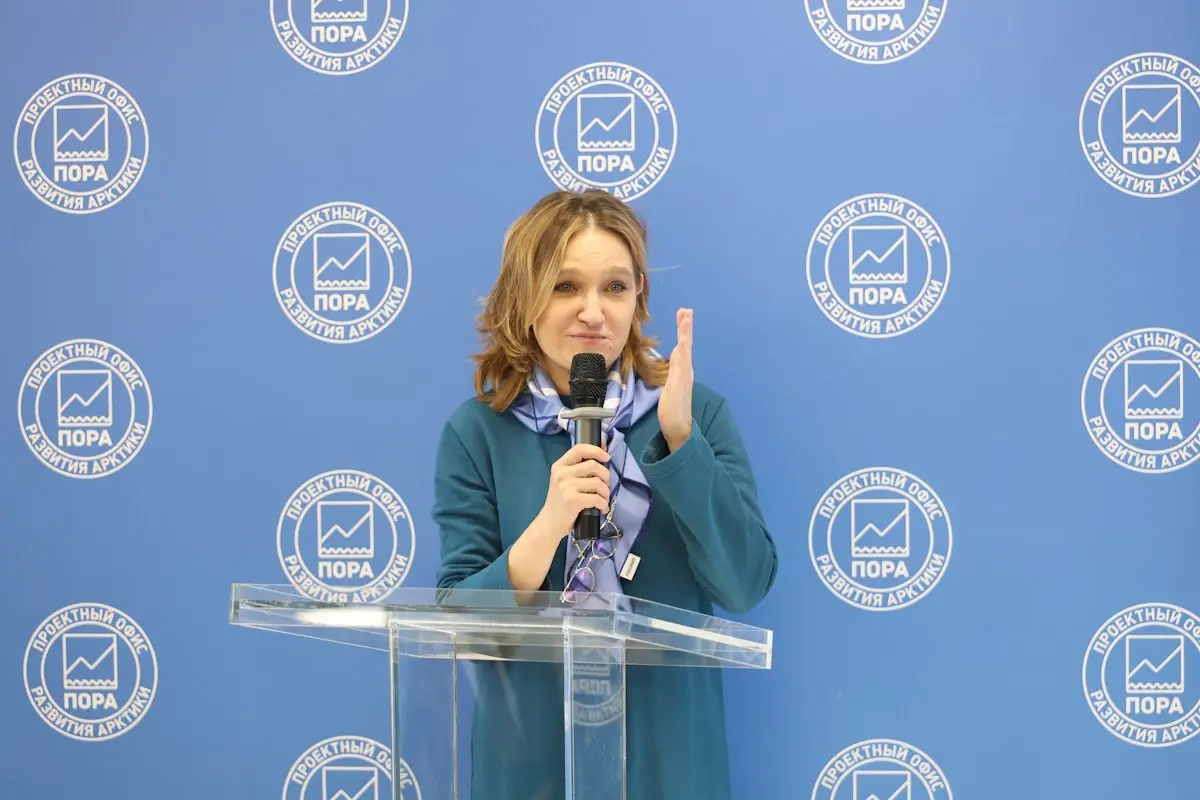
Anna Romanovskaya – On the Russian Carbon Units Market and Its Arctic Specifics
Methodologies for climate projects in the Arctic Zone are beginning to emerge in Russia; the idea of creating an independent Arctic Carbon Registry is promising On June 5, World Environment Day, we asked Anna Romanovskaya, Director of the Yu.A. Izrael Institute of Global Climate and Ecology, Corresponding Member of the Russian Academy of Sciences, to...
read more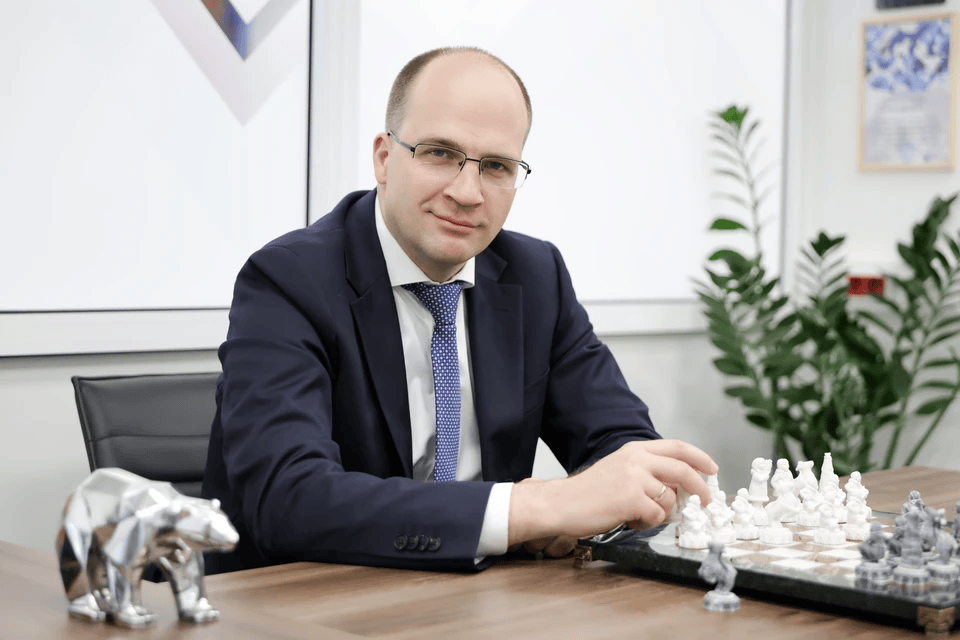
Maksim Dankin: The Future of the Arctic is Being Decided in Greenland
January 22, 2026 The Greenland case transcends a local storyline and becomes a focal point where key questions about the Arctic’s future converge. US President Donald Trump has repeatedly and in various contexts stated his intention to establish control over Greenland. Why the US wants to take the island, and how this situation could benefit...
read more