
The PORA Expert Center presented a report on the transformation of international cooperation in the Arctic
The study is devoted to changes in Russia’s system of international partnerships in 2022–2025 and the adaptation of Arctic projects to new geopolitical conditions
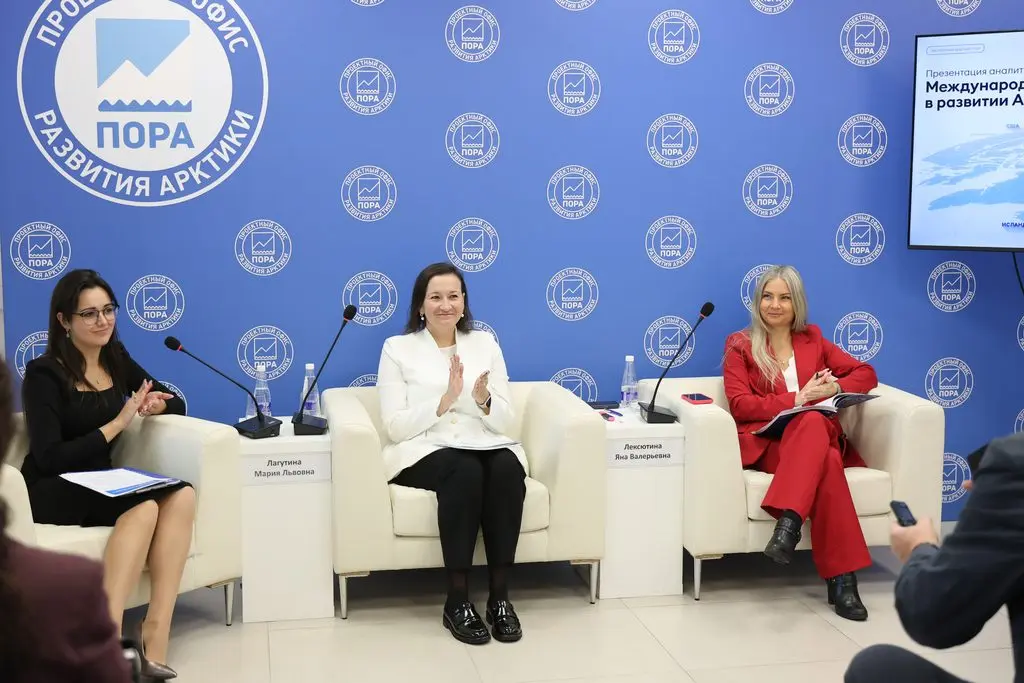
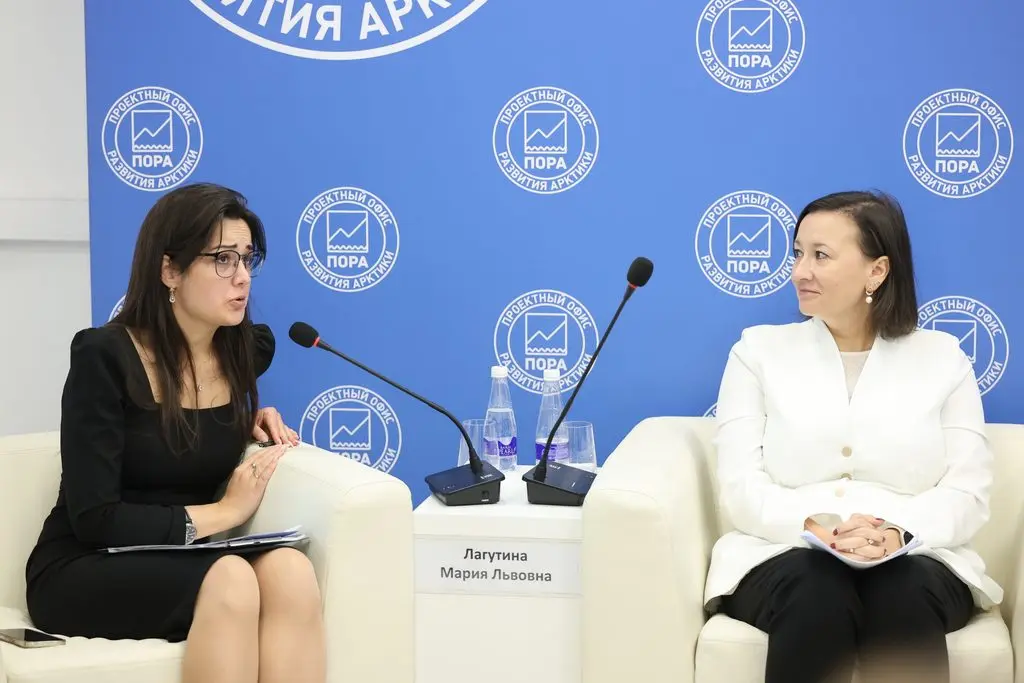
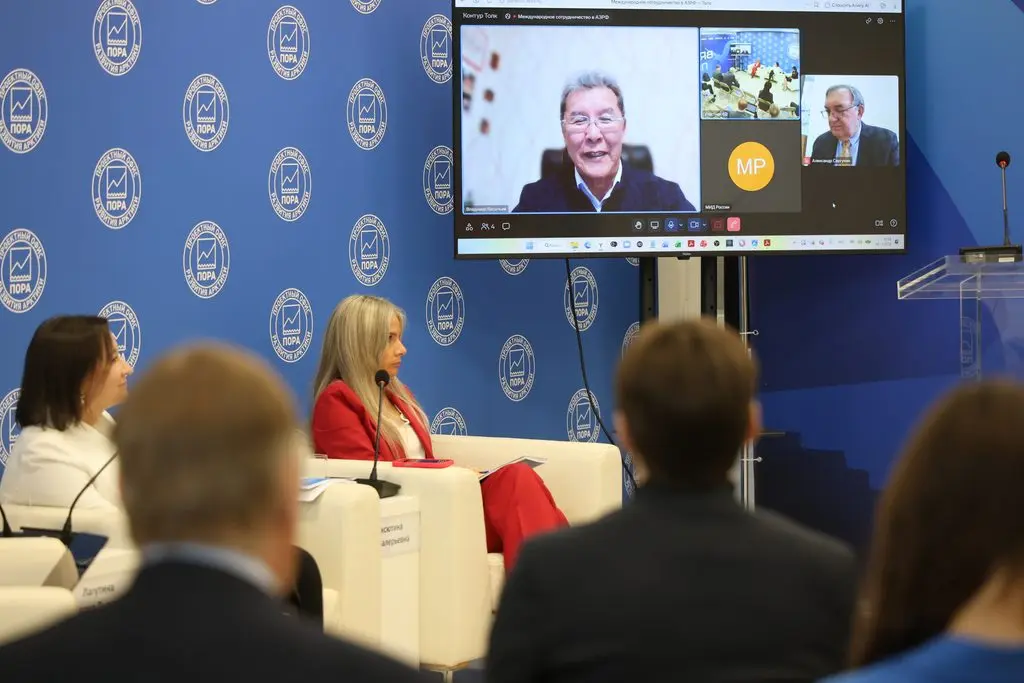
The Expert Center «Project Office for Arctic Development» (PORA) presented on November 6, 2026, an analytical report titled «International Cooperation in the Development of the Arctic Zone of the Russian Federation. 2022–2025.» The authors of the study, Doctors of Political Science Maria Lagutina and Yana Leksyutina, analyzed how anti-Russian sanctions, the departure of Western companies, and the changing international situation affected the development of the Russian Arctic, the implementation of energy and infrastructure projects in the Far North, the development of the Northern Sea Route, and scientific cooperation in high latitudes.
The main conclusion of the study is that the new geopolitical circumstances did not change but even strengthened the Russian government’s course toward the comprehensive development of the Arctic Zone of the Russian Federation. At the same time, a forced «de-Westernization» of international cooperation occurred, accompanied by a reorientation toward new partners, a strengthened role of the state, and the development of domestic technological competencies.
The first part of the report examines the new geopolitical and national parameters of the development of the Russian Arctic. The authors analyze Western sanctions, their goals, and their consequences for energy, transport infrastructure, and scientific research. After 2022, the traditional system of Arctic governance based on cooperation among the eight Arctic states effectively ceased to function in its previous format. The restrictions affected not only individual Russian enterprises but also interconnected technological, production, and logistics chains.
A separate section is devoted to international cooperation in the implementation of Arctic LNG projects. The most illustrative example was «Arctic LNG 2,» which faced restrictions on equipment supplies, the construction of gas carriers, and the export of products. After the departure of Western, Japanese, and South Korean technology partners, Russian and Chinese contractors began to fill the vacated niches.
Despite sanctions pressure, two technological lines of «Arctic LNG 2» were built and began operating, and in the summer of 2025 regular supplies of products to China started. Overall, Russian LNG exports to China more than doubled between 2021 and 2025, from 4.5 to 9.8 million tons. At the same time, the authors note difficulties in finding alternative sales markets, a shortage of high ice-class gas carriers, and the risks of secondary sanctions for foreign partners.
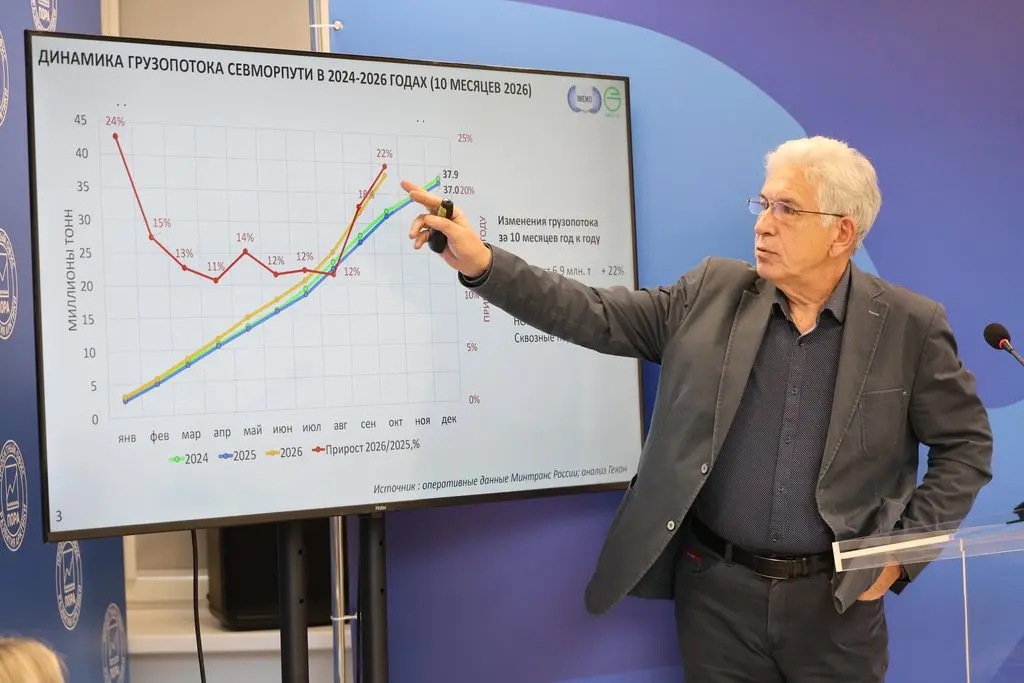
The third part of the study is devoted to the Northern Sea Route and the prospects for forming the Trans-Arctic Transport Corridor. Despite changes in international logistics, the volume of cargo transportation along the NSR increased, although it remained significantly below the original planned targets. The volume of transit transportation over the same period grew 16-fold.
The authors note that sanctions restricted access to foreign technologies, shipbuilding services, and port infrastructure. The economic consequences proved tangible: for example, after the departure of European contractors, the cost of dredging work in the Arctic in 2023–2024 increased almost fourfold, reaching 3,000 rubles per cubic meter of soil.
Under these conditions, Russia began to rethink the role of the NSR, viewing it not only as a standalone maritime route but also as the basis for a broader Eurasian logistics system – the Trans-Arctic Transport Corridor, which unites maritime, railway, river, and other transport routes.
The fourth part of the report is devoted to international scientific cooperation. The authors record the severing of a significant portion of traditional ties with Western scientific organizations, a reduction in joint research, academic exchanges, and the participation of Russian scientists in international projects. At the same time, new mechanisms of interaction are being formed, primarily with China, India, and other countries interested in studying the Arctic. The importance of bilateral scientific partnerships, joint laboratories, research expeditions, and new international platforms is growing.
In conclusion, the authors examine in detail the formation of a new model of Russia’s international cooperation in the Arctic. Some foreign investors left Russian projects, others retained their investments, including in «Yamal LNG» and «Arctic LNG 2,» but under sanctions conditions they are not considering the possibility of new investments.
«Under these conditions, Russia has seen a shift toward strengthening the role of the state as the key investor, participant, and coordinator of Russian Arctic projects. If in the pre-sanctions period a significant portion of projects was implemented in the logic of international partnership and the attraction of foreign technologies, then in the new geopolitical circumstances, at the state level, emphasis began to be placed on mobilization mechanisms, import substitution, the development of national competencies, and the stimulation of domestic technological developments and solutions,» notes one of the authors of the report, Doctor of Political Science, Editor-in-Chief of the journal «Arctic 2035: Current Issues, Problems, Solutions,» Professor at St. Petersburg State University, Leading Research Fellow at the Institute of China and Contemporary Asia of the Russian Academy of Sciences, and Goodwill Ambassador of the Northern Forum, Maria Lagutina.
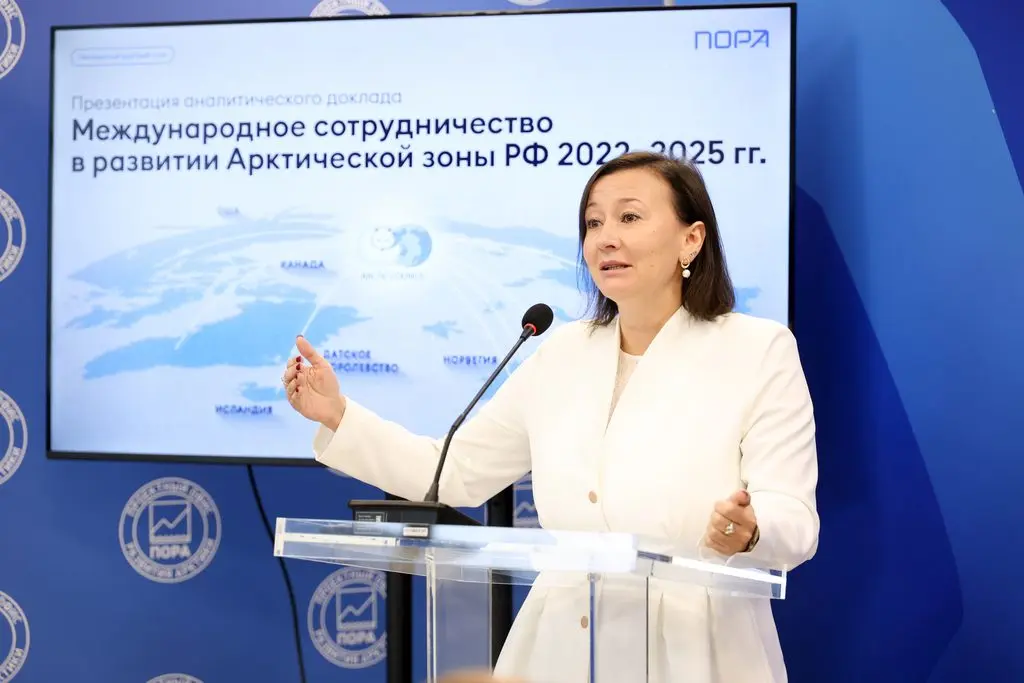
The study shows that the geography of Russia’s cooperation has changed significantly, but new partnerships also face certain limitations. In particular, China, which retains interest in Russian Arctic projects, cautiously assesses the risks of secondary sanctions.
«A forced de-Westernization and reorientation of real, rather than planned or announced, international cooperation has occurred, mainly but not exclusively toward China. At the same time, it is important to take into account that the development of cooperation with partners friendly to Russia is subject to certain restrictions imposed by extraterritorial secondary sanctions,» emphasizes the co-author of the study, Doctor of Political Science, Professor of the Russian Academy of Sciences, Deputy Director of the Institute of China and Contemporary Asia of the Russian Academy of Sciences, Professor at St. Petersburg State University, and Professor at the European University at St. Petersburg, Yana Leksyutina.
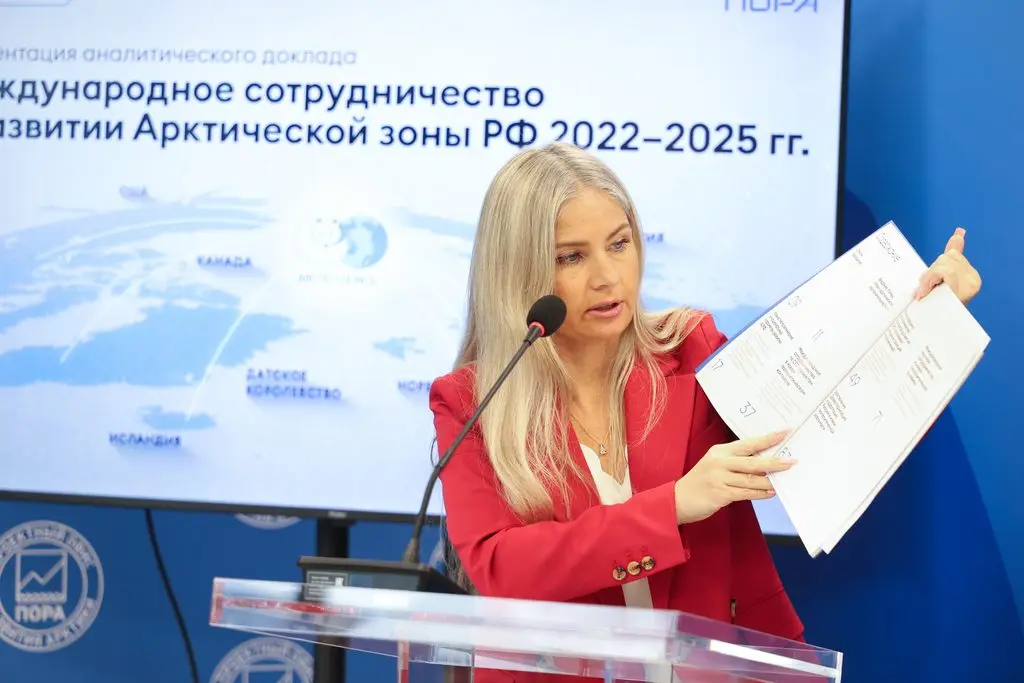
In addition to China, the authors name India, Brazil, other countries of the expanded BRICS composition, the countries of Southeast Asia, and the Middle East as promising partners for Russia in Arctic projects. The report notes that cooperation with non-Arctic states, which Russia previously treated with a certain caution, has become in demand under current conditions. The country is working out new multilateral mechanisms of interaction while simultaneously improving infrastructure and strengthening its own capabilities for developing the Arctic.
Director General of the PORA Expert Center Maxim Dankin believes that the ongoing changes allow Russia to form a new architecture of international cooperation based on its own strategic interests.
«Russia has been and remains a leading Arctic power. And today it is we ourselves who determine the rules, conditions, and priorities of international interaction in the Russian Arctic. Our country does not intend to abandon international cooperation, but it must be built on the principles of equality, mutual benefit, and respect for national interests. Moreover, Russia is capable of offering partners new formats of work in which what matters is not political declarations but real results. A good example is the recent joint expedition of Russian and Chinese scientists to study the ocean and climate, which concluded in October of this year. It shows that, despite attempts to isolate our country, international cooperation in the Arctic continues and is developing. Russia is not merely adapting to new conditions but is itself shaping the agenda and creating opportunities for those who are ready to work with us,» emphasized Maxim Dankin.
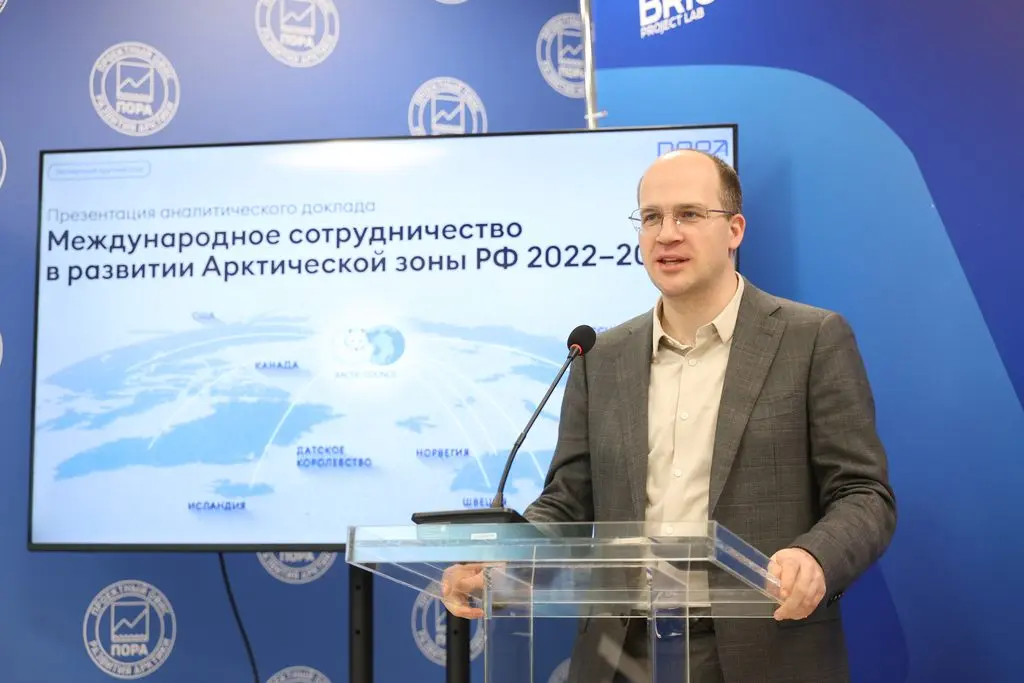
The analytical report «International Cooperation in the Development of the Arctic Zone of the Russian Federation. 2022–2025» was prepared by the PORA Expert Center in 2026. The study covers the main changes in the system of international Arctic cooperation and the prospects for Russia’s further participation in international energy, transport, and scientific projects.
You can review the full text of the report at the link: https://porarctic.ru/upload/pora_international_cooperation_pages.pdf
Оthers Our news

Summing up the Unified Arctic Cleanup 2026
In Zapolyarny, a WWII-era mine was found during the cleanup; in the Murmansk Region, the youngest volunteer was a one-year-old toddler; and in Norilsk, 480 kg of garbage was collected. The «Unified Arctic Cleanup,» dedicated to post-winter tidying in cities across Russia’s Arctic Zone, was held for the fifth time in 2026. Local cleanups, organized...
read more
Editor-in-Chief of «Arctic 2035» Magazine Discusses Corporate Strategies Toward Urban Communities in St. Petersburg
Maria Lagutina, Editor-in-Chief of the magazine «Arctic 2035: Current Issues, Challenges, Solutions» and Professor at St. Petersburg State University (SPbGU), took part in the 3rd St. Petersburg Congress of International Relations Researchers «Global and Regional Challenges in a Changing World,» which was held from April 28 to 30, 2026, in St. Petersburg. Section: «International Business...
read more