
Summing up the Unified Arctic Cleanup 2026
In Zapolyarny, a WWII-era mine was found during the cleanup; in the Murmansk Region, the youngest volunteer was a one-year-old toddler; and in Norilsk, 480 kg of garbage was collected.
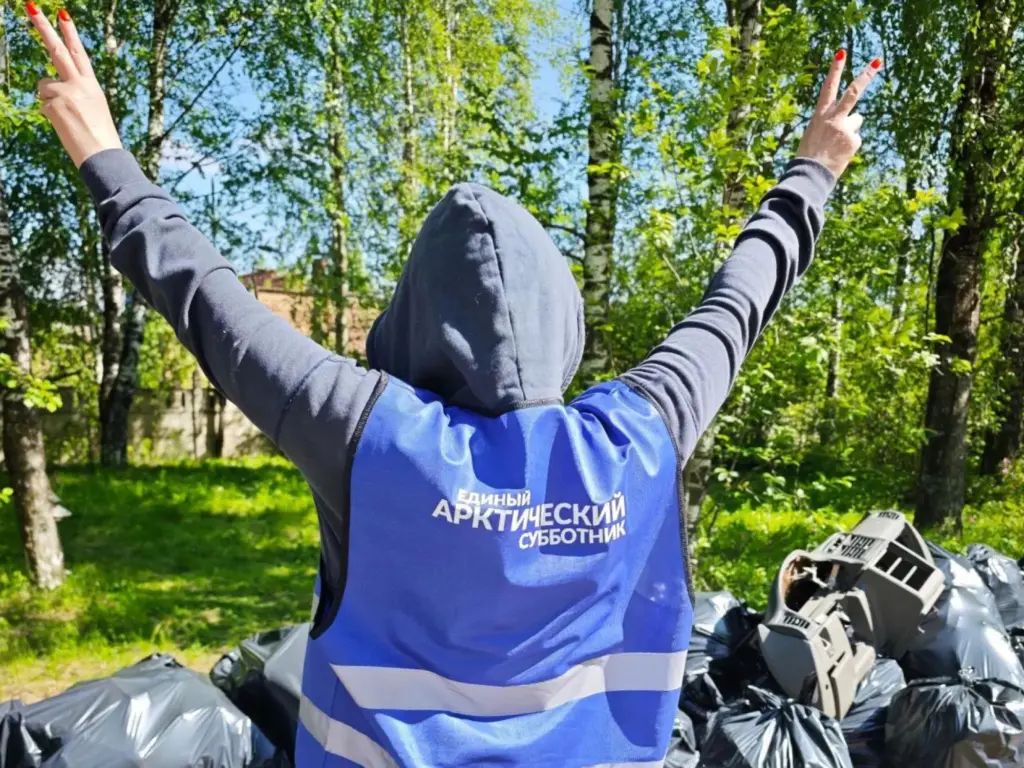
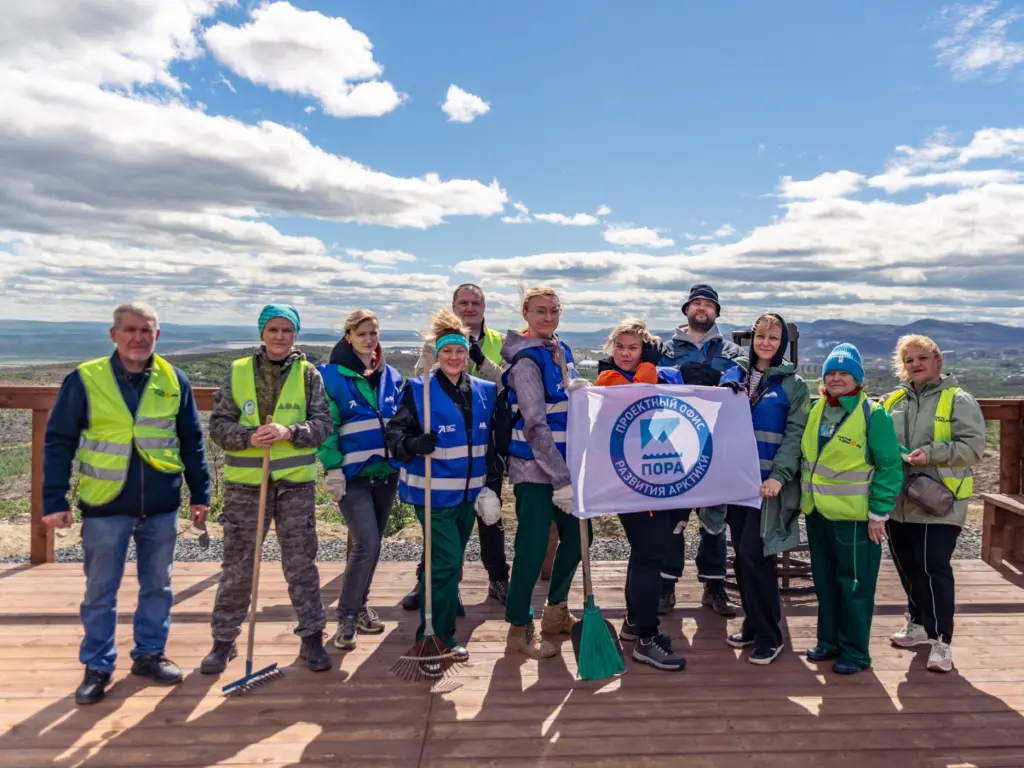
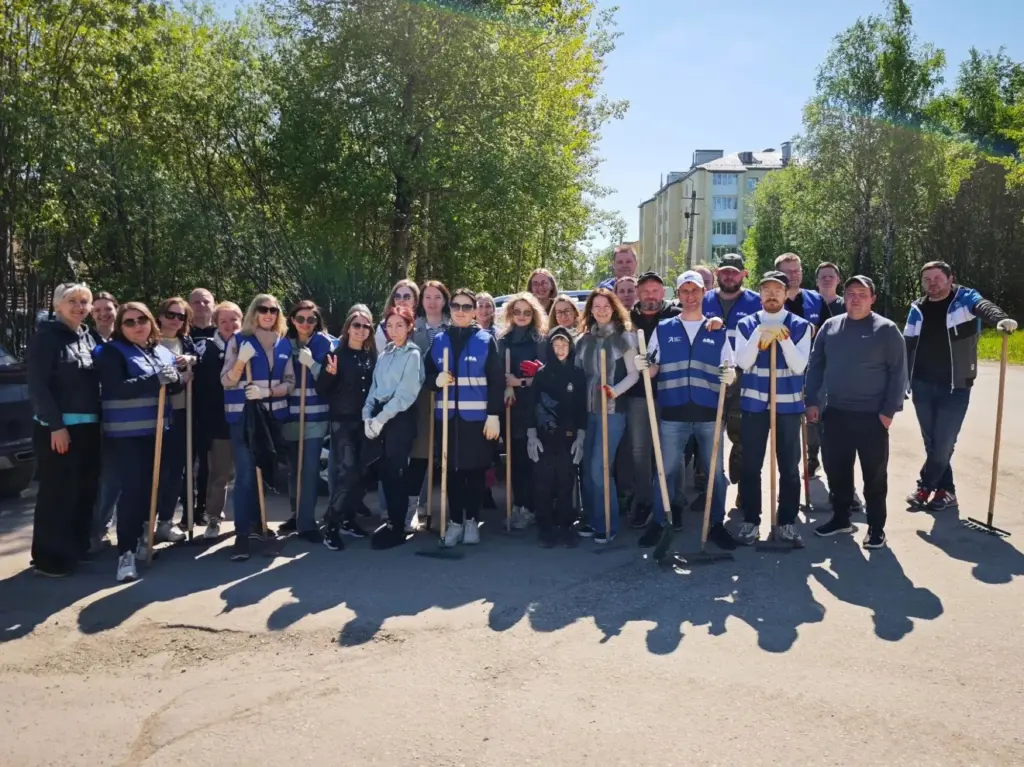
The «Unified Arctic Cleanup,» dedicated to post-winter tidying in cities across Russia’s Arctic Zone, was held for the fifth time in 2026. Local cleanups, organized by the environmental movement «Friends of the Environment» (DOM) and administratively supported by the Project Office for Arctic Development, took place in Arctic regions. A total of 19 events were organized, with 548 people taking part.
«We thank everyone who participated in the cleanup and are delighted that each year, new cities and participants join the ‘veterans’ – volunteers who have stayed with us since the ‘Arctic Volunteer’ project. Thanks to all of you, the Arctic is becoming cleaner, and environmental culture in the regions is growing stronger,» commented Elena Koreneva, Director of the «Friends of the Environment» environmental movement.
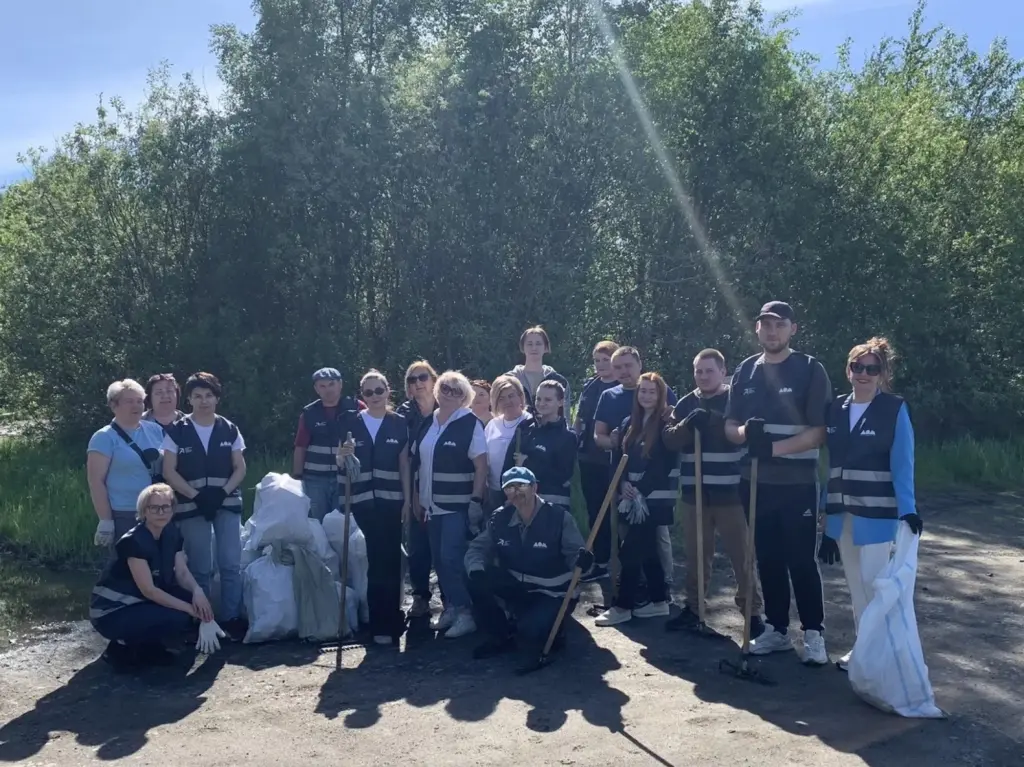
The Murmansk Region became the record holder for the number of cleanups held this year. It had the most participating localities: Murmansk, Polyarny, Sputnik, Pechenga, Liinakhamari, Zapolyarny, and Nikel. A total of 144 volunteers took part, collecting 158 bags of trash. The most active participants were residents of the settlements of Sputnik, Pechenga, and Polyarny, where volunteers organized two cleanups on different days.
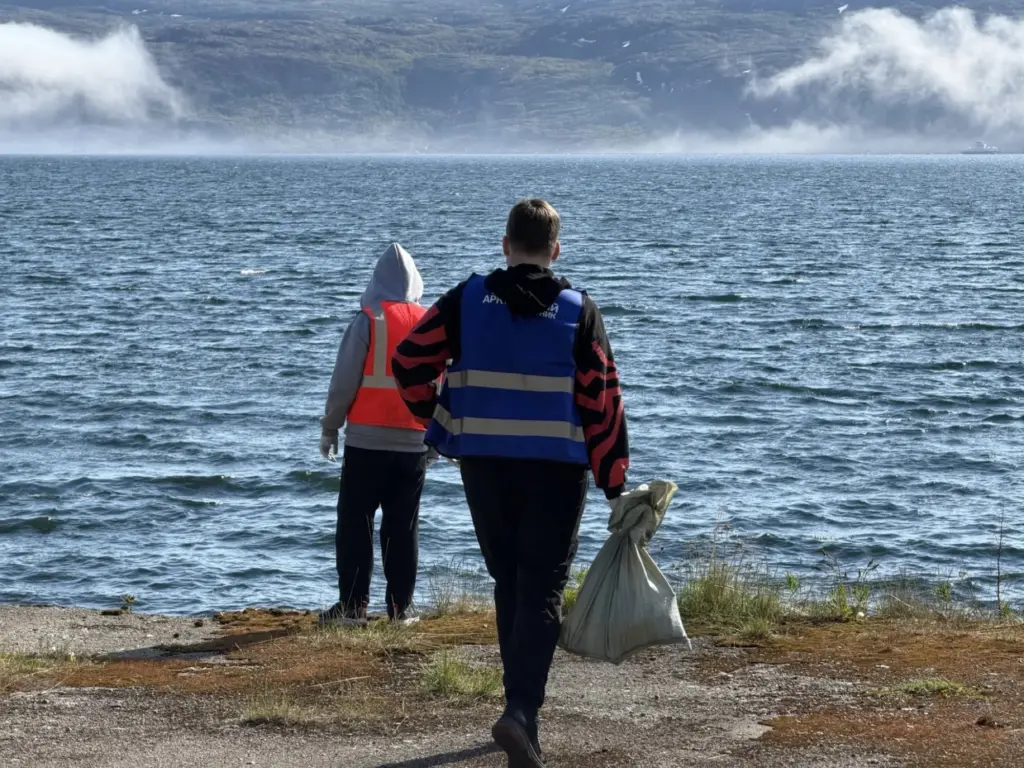
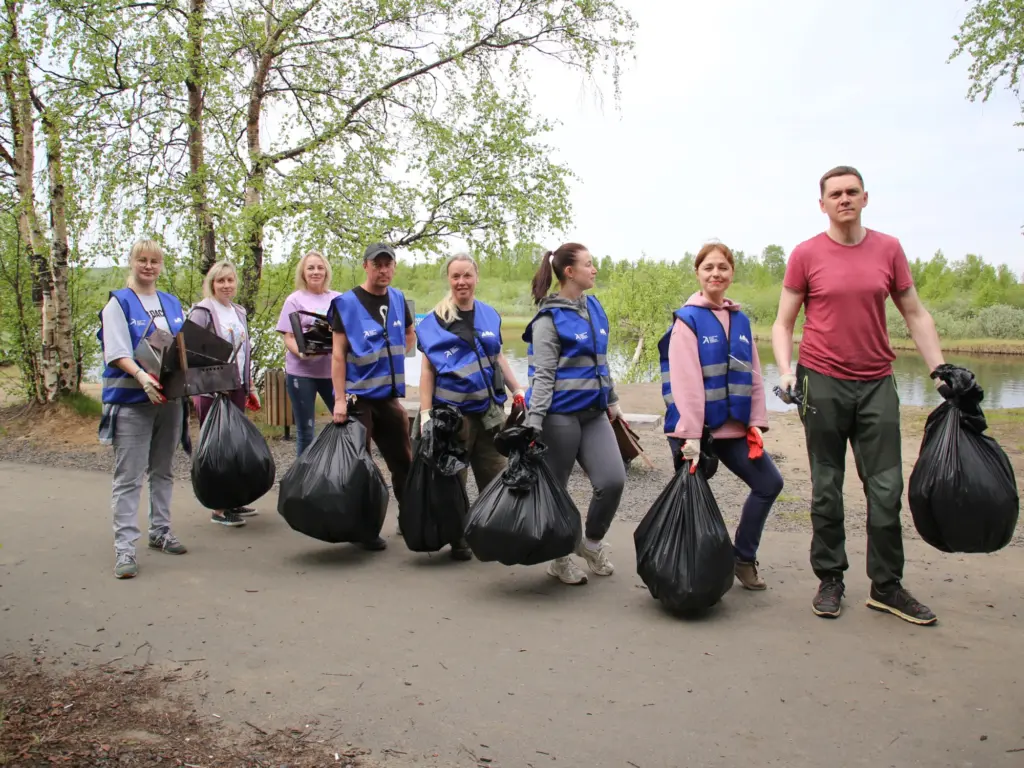
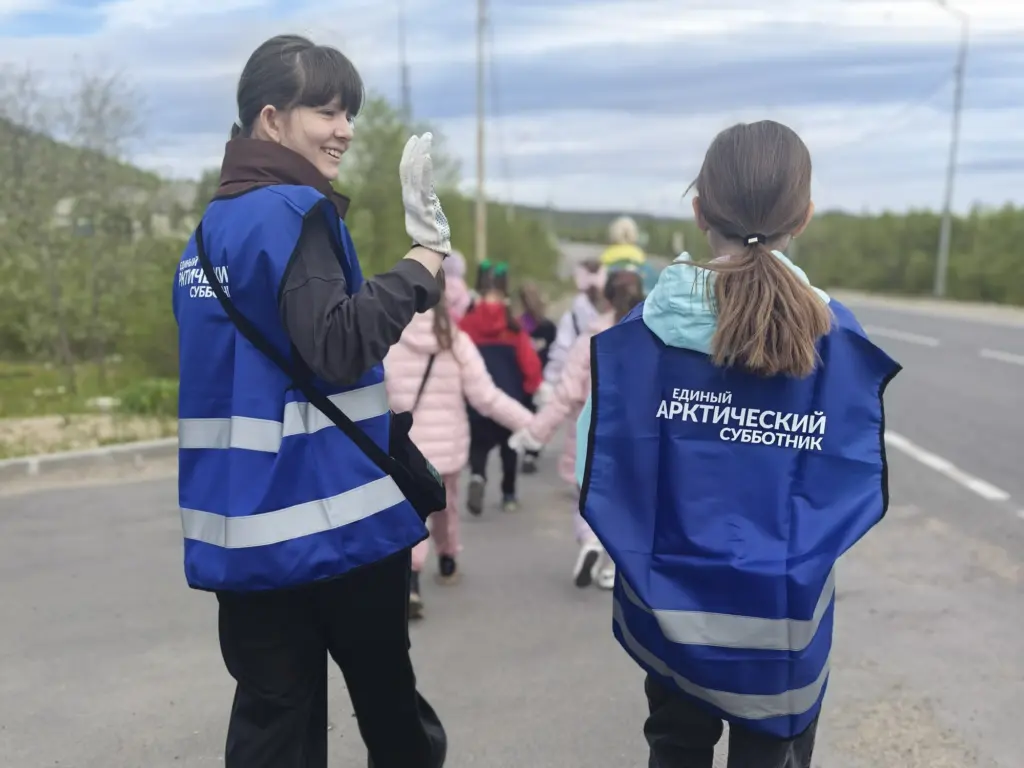
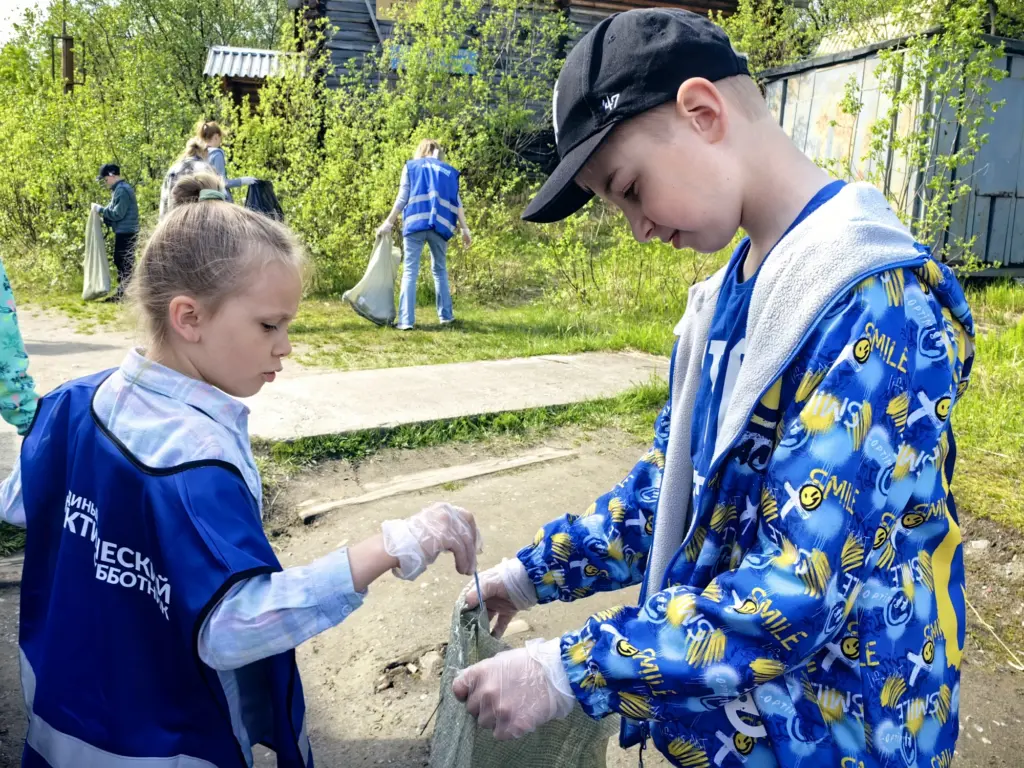
Sputnik
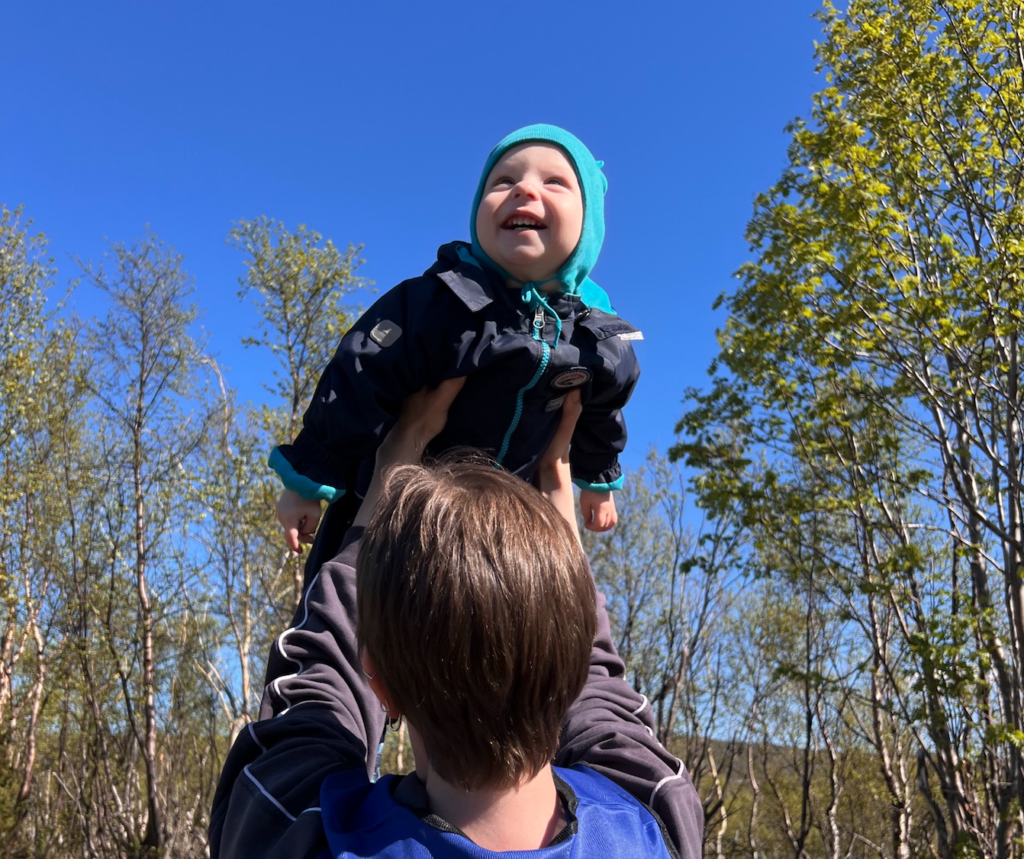
As in the previous year, the title of the youngest participant of the Unified Arctic Cleanup went to Miron from the settlement of Sputnik. He is now just over a year old and attends our cleanups accompanied by his parents and two older brothers.
Zapolyarny
The most unusual and alarming find occurred in Zapolyarny: volunteers discovered a WWII-era shell and immediately reported it to the police.
Murmansk
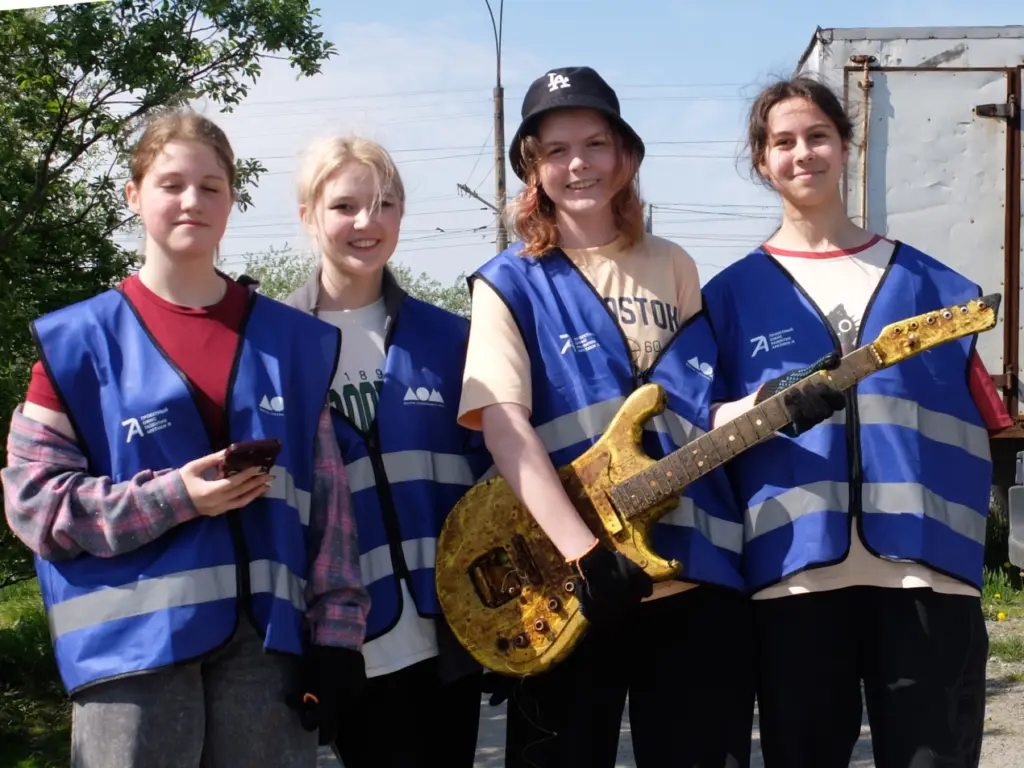
The bulkiest find – a refrigerator – was recorded in Murmansk. The most «musical» piece of trash – a discarded electric guitar – was also found there.
Norilsk
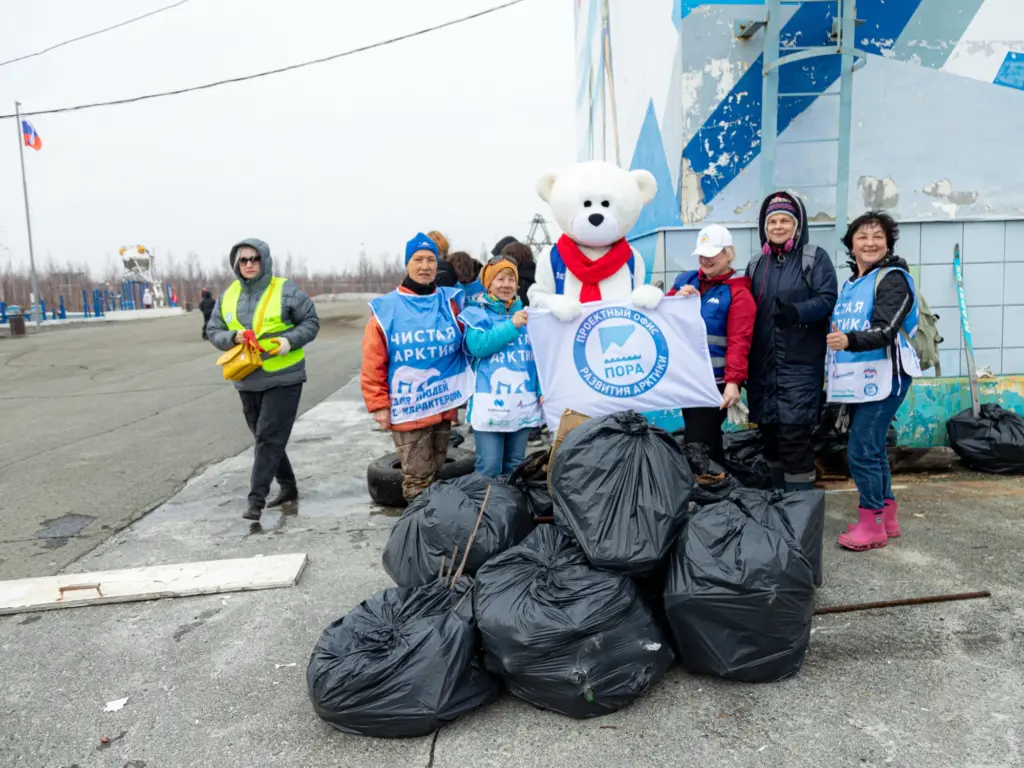
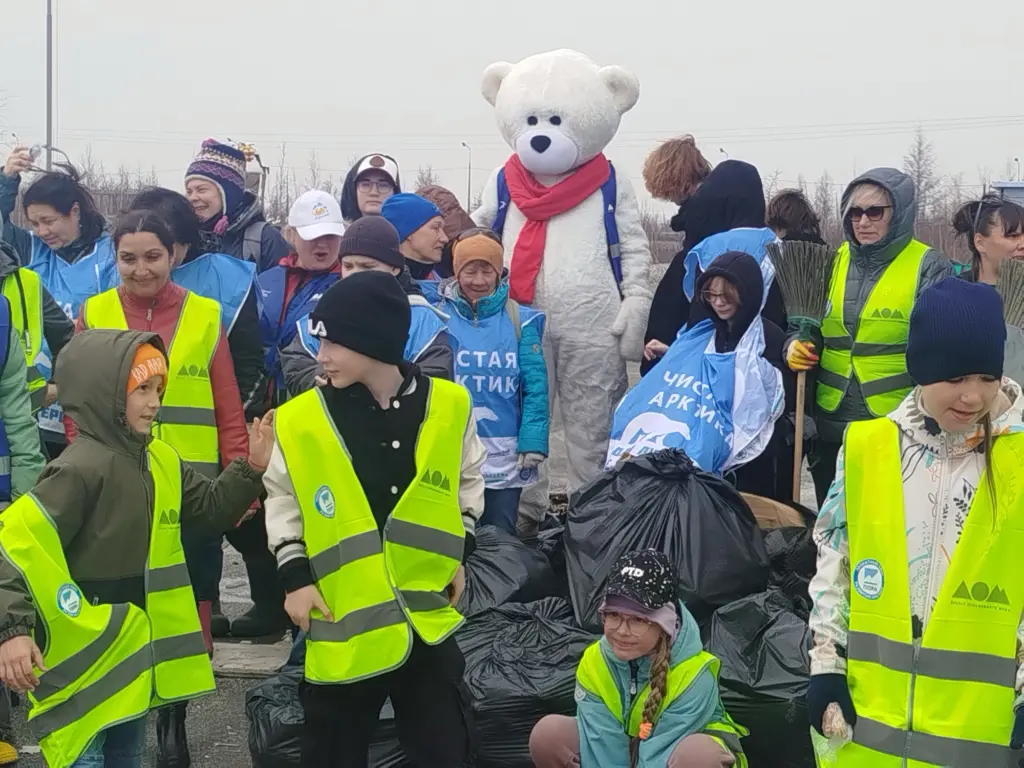
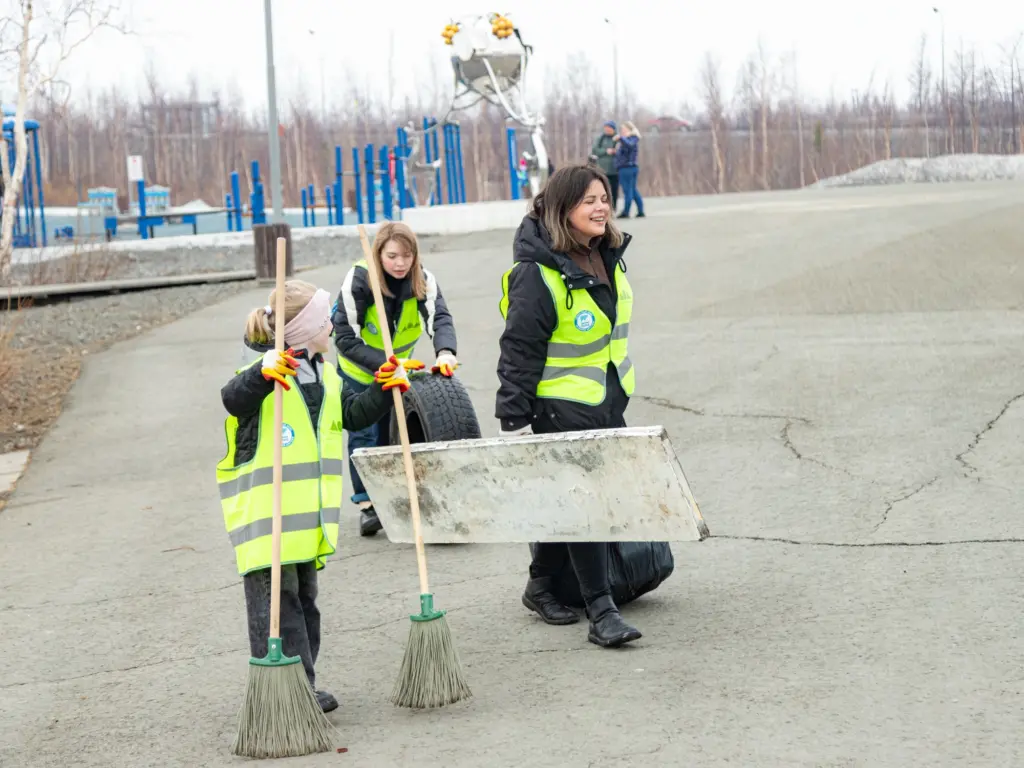
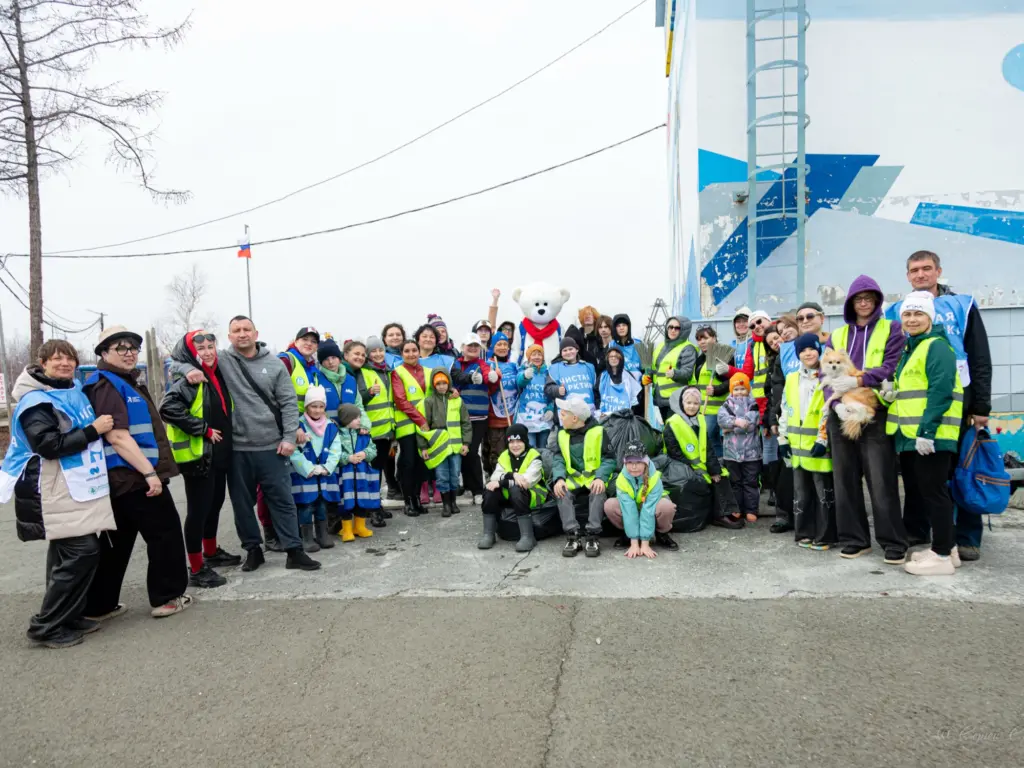
The largest cleanup took place in Norilsk: 67 people, led by Plombir – the mascot of the White Bear Educational Center – came to tidy up the Ol-Gul ski base after winter. Volunteers collected 480 kg of garbage and, after the work, enjoyed tea with pancakes.
Arkhangelsk
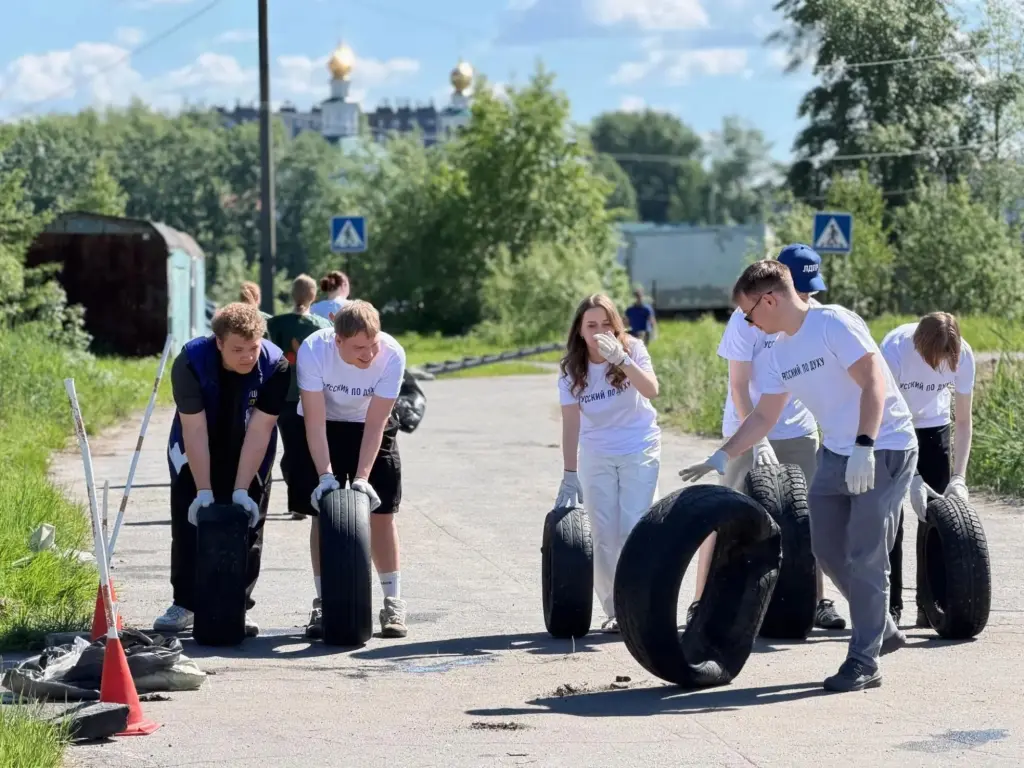
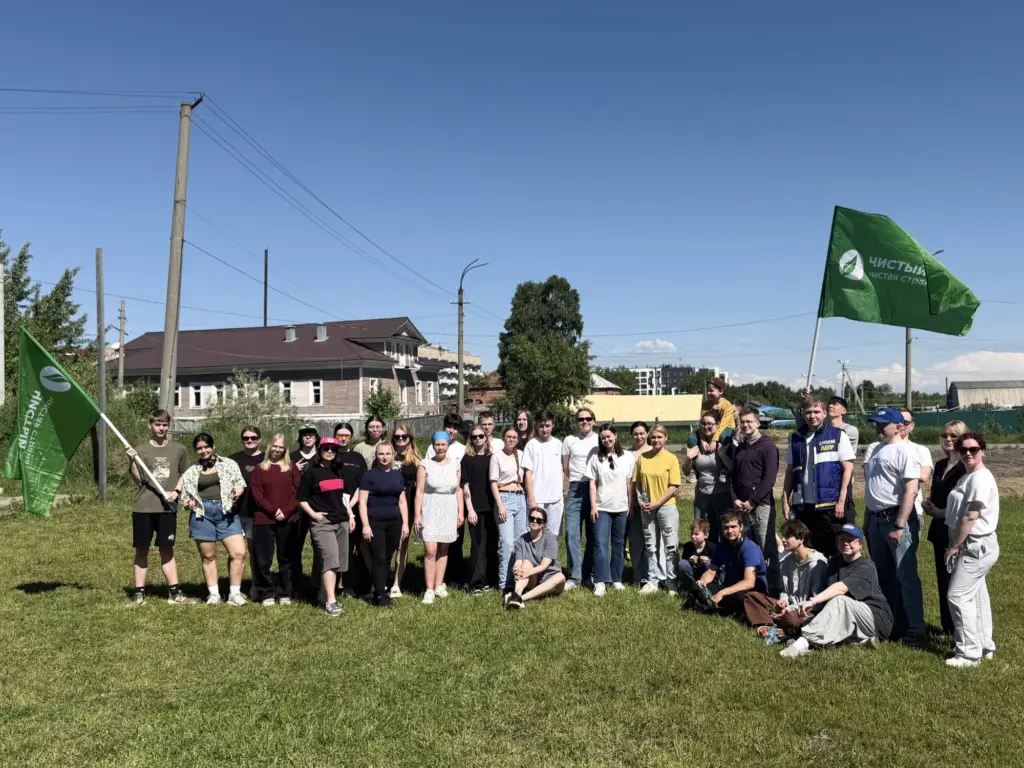
In Arkhangelsk, the cleanup was held in the historic Solombala district. People of various ages came to clean up: active locals, families with children, and volunteers from other districts.
Severodvinsk
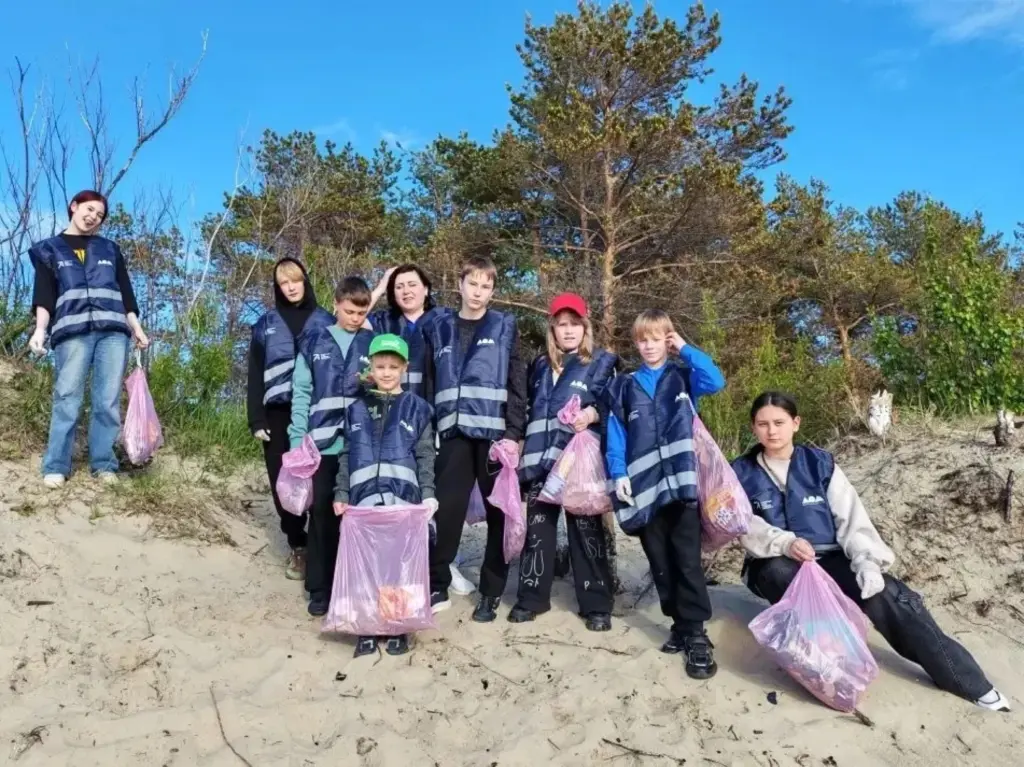
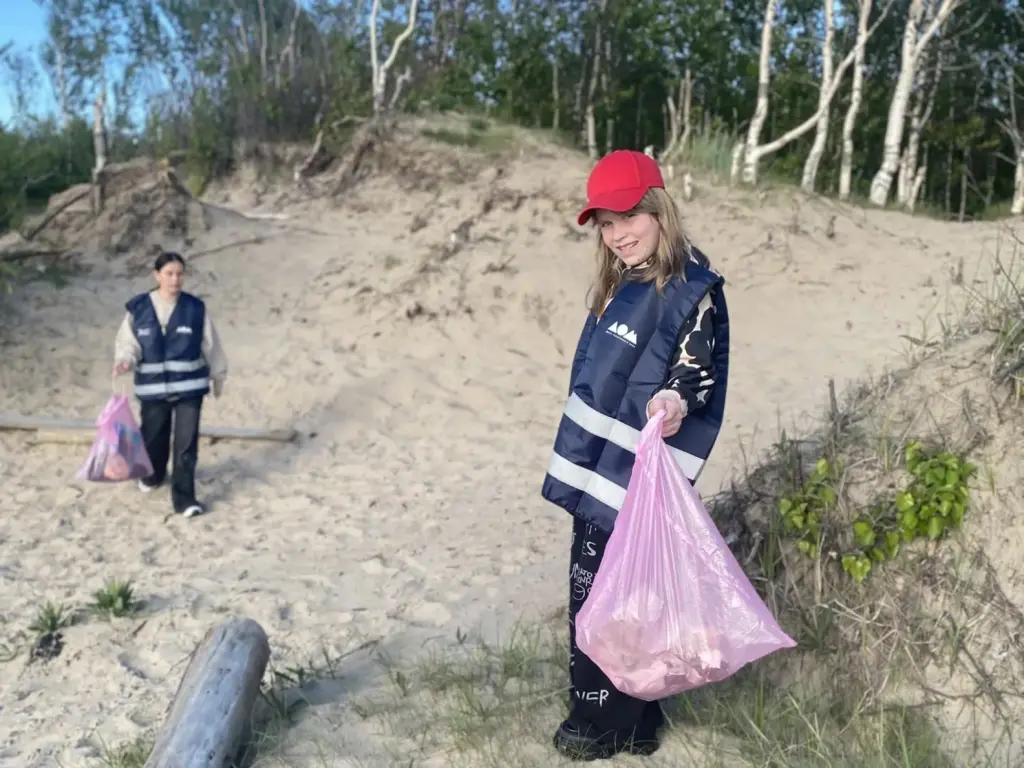
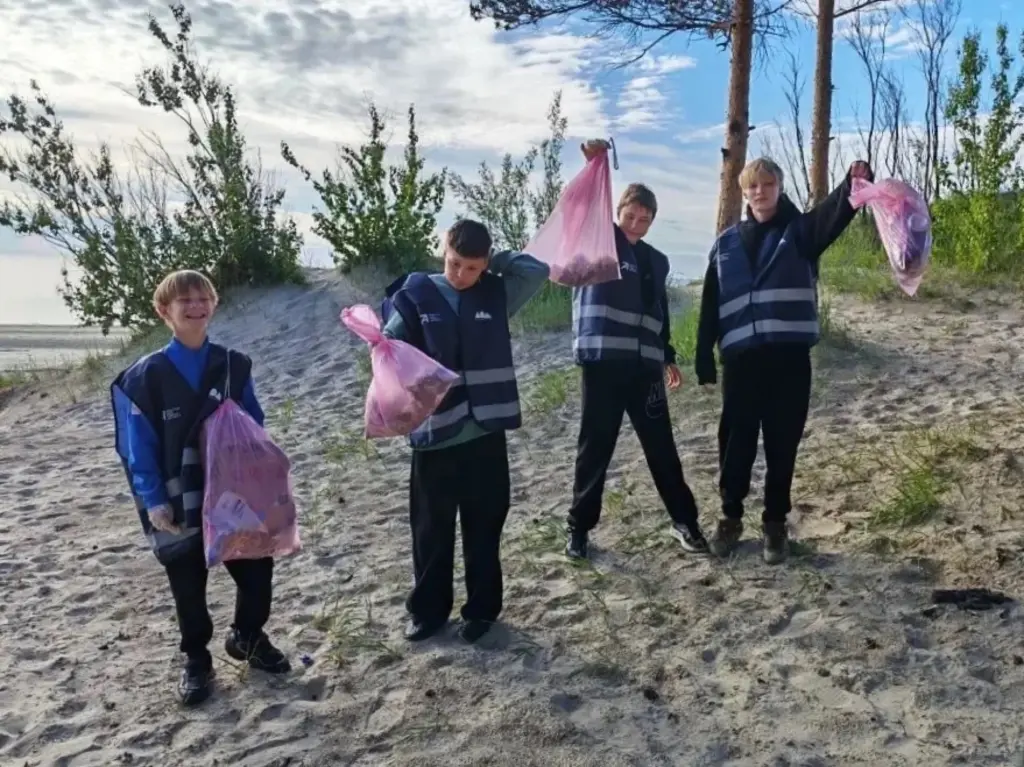
In Severodvinsk, cleanups took place in Yagry: pupils and teachers from the Olenyonok Center for Family Placement Assistance tidied up the shore of the White Sea. The participants collected 18 bags of garbage.
Karelia
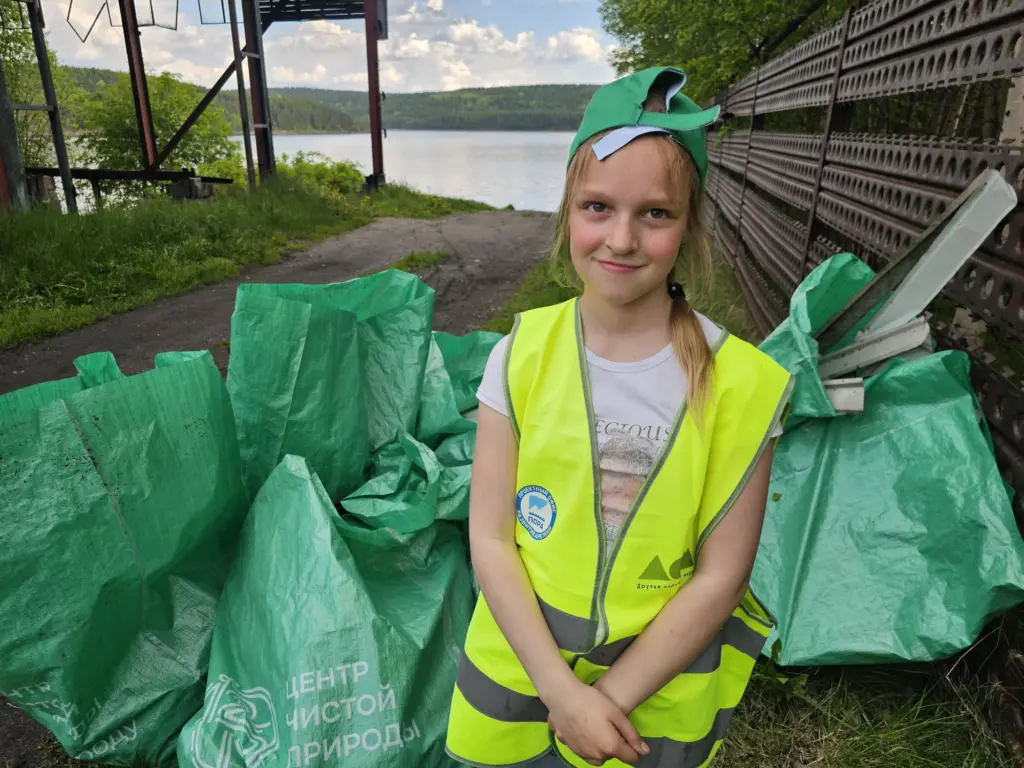
Cleanups were also held on the other side of the White Sea: in the Karelian settlement of Loukhi, a series of cleanups was organized. The areas along the shore by Gorelaya Pristan, the village of Nizhnyaya Pulonga, and near Krasnaya Skala became cleaner.
Komi and Nenets Autonomous Okrug
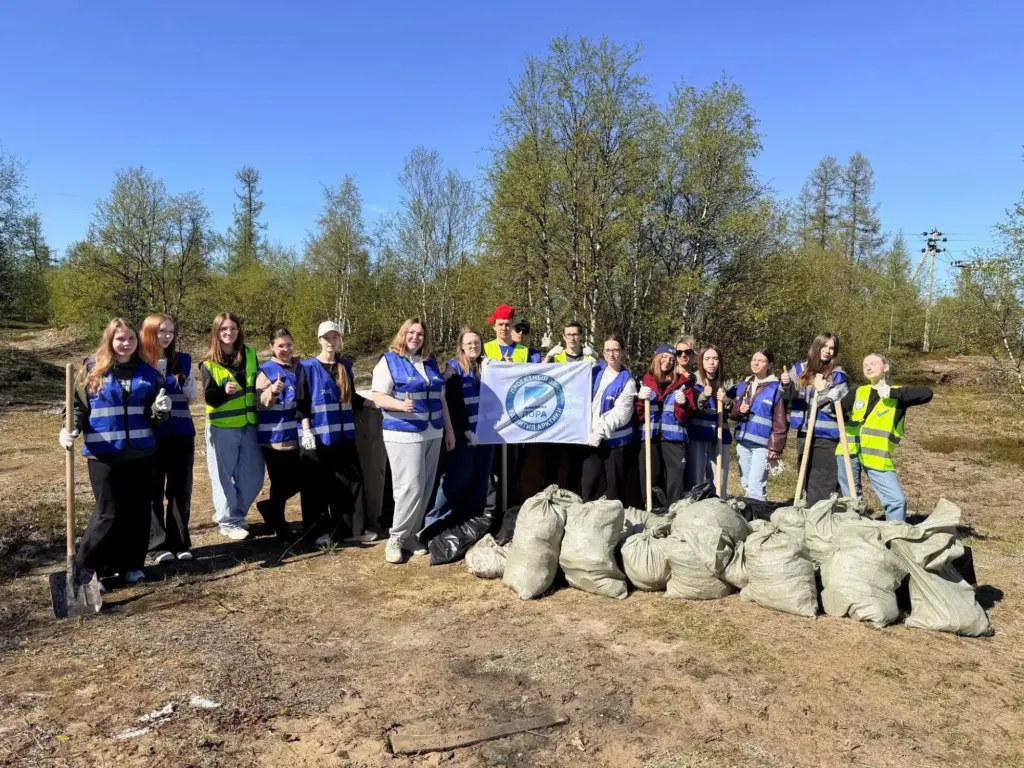
Cleanups were also held in cities of the Komi Republic and the Nenets Autonomous Okrug: in Ukhta and Naryan-Mar, about 50 people participated in the cleanups.
Yamal
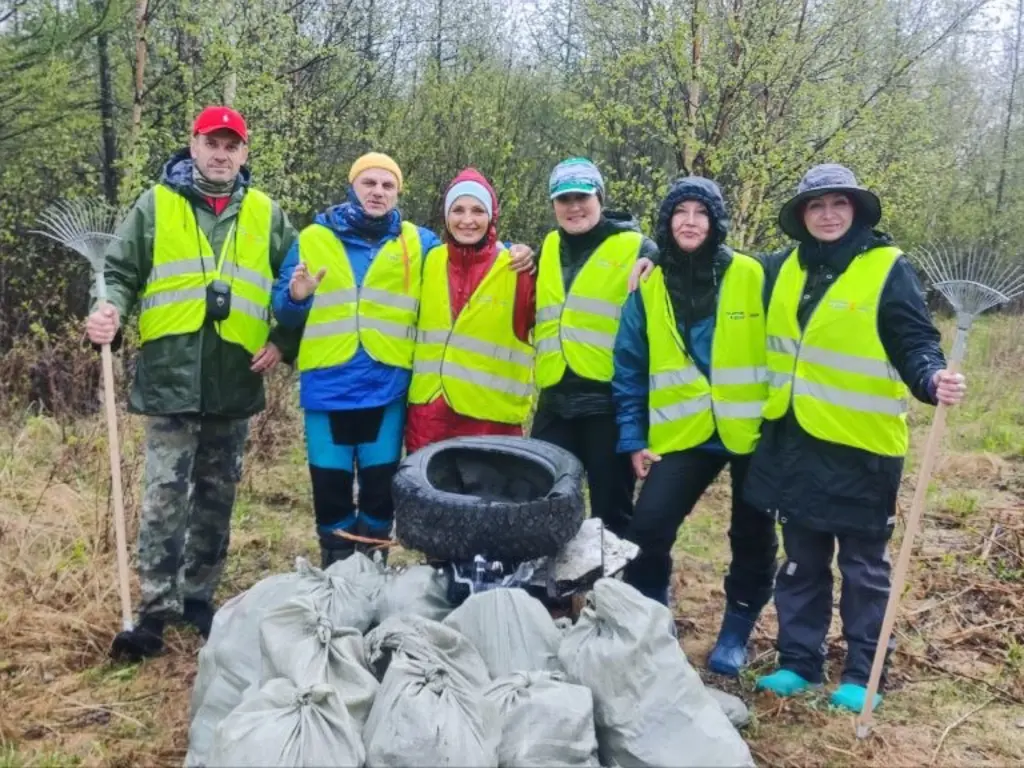
Salekhard went without its traditional post-cleanup barbecue this year, as a real storm broke out on the day of the event, but even that did not stop volunteers from collecting 10 bags of garbage and removing one car tire.
The Unified Arctic Cleanup has been held since 2022 and annually brings together volunteers, public organizations, business representatives, government bodies – all those who care about preserving the nature of the Arctic. In 2025, the campaign covered 15 localities: from Arkhangelsk and Murmansk to Norilsk and the northernmost site, the Yuryung-Khainsky nasleg in Yakutia, where volunteers even went out to clean up in the snow. Through joint efforts, participants collected over 450 bags of garbage weighing more than three tons.
Оthers Our news
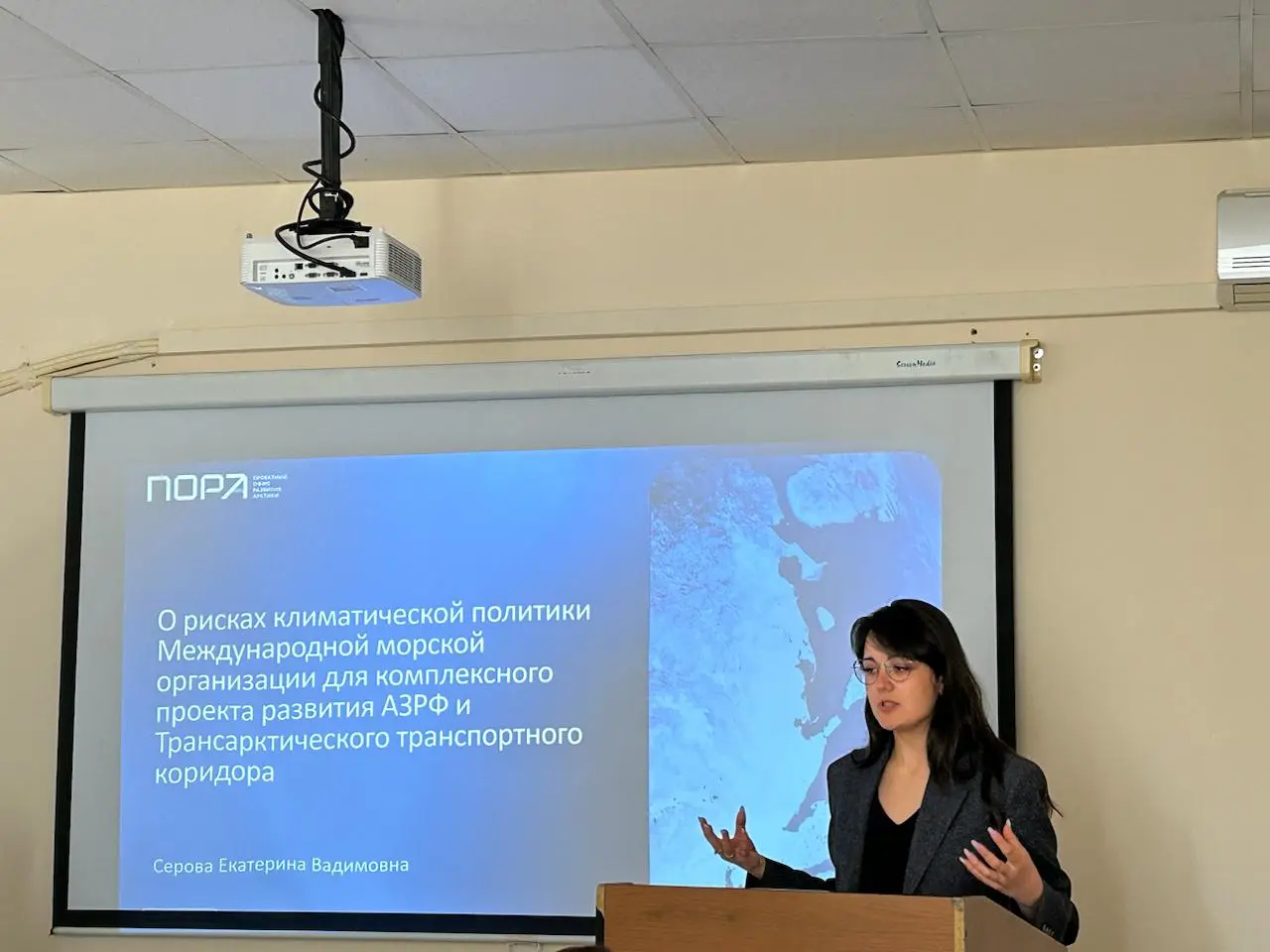
The expert center PORA assessed the risks of IMO climate policy for the development of the Transit Transport Corridor at an international legal conference in Saint Petersburg
April 28, 2026 On April 27, 2026, the North-West Institute of Management of RANEPA hosted an international scientific conference «International Legal Problems of the Arctic: History and Modernity,» which brought together leading experts from Russia and Asia-Pacific countries in the fields of legal regulation of maritime commercial shipping, issues of Russian-American relations concerning the delimitation...
read more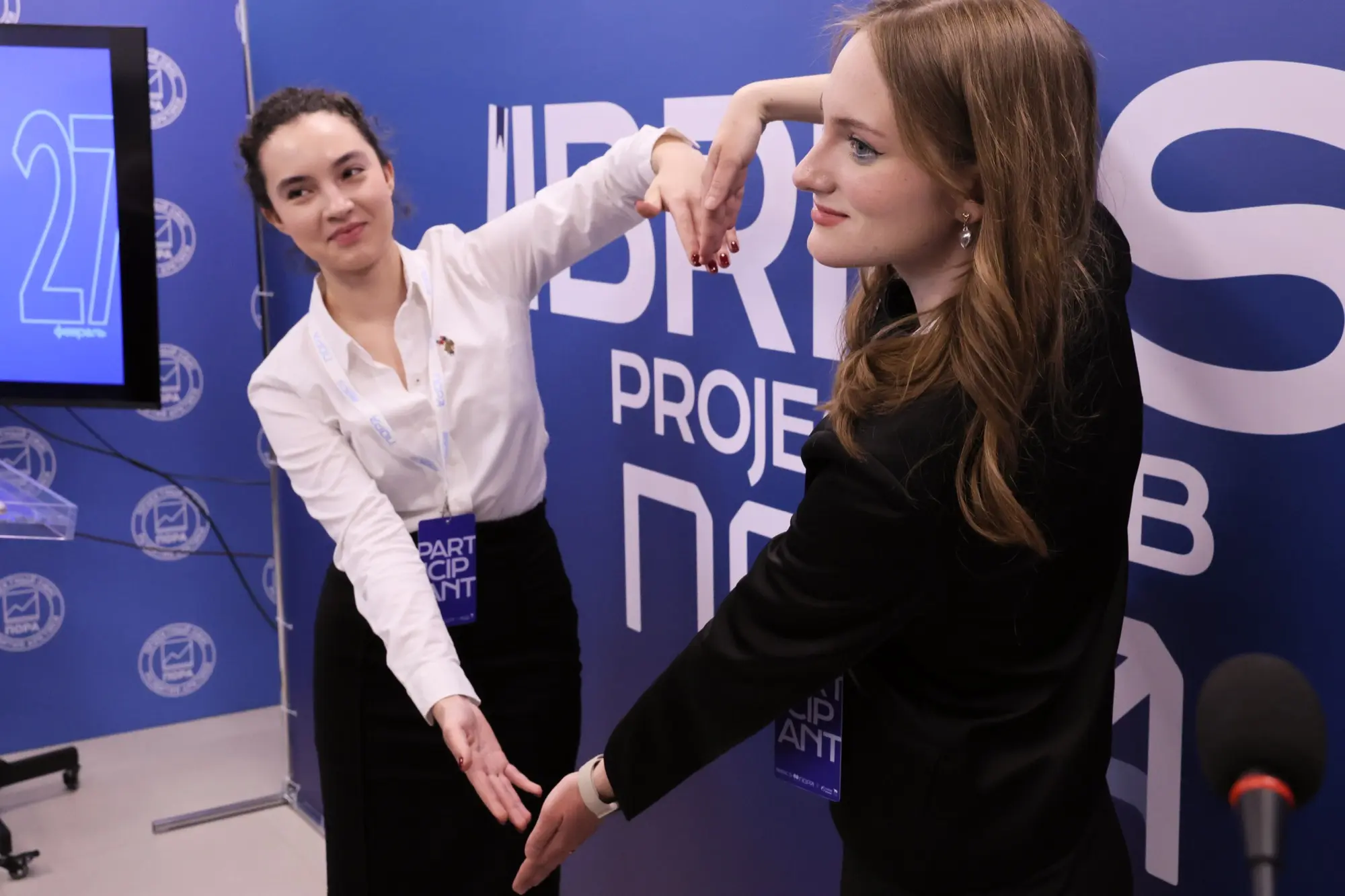
BRICS Project Lab Arctic 2.0 Launches in Moscow
February 24, 2026 Over four days, 40 participants will work on real-world cases related to the development of the Russian Arctic Zone (AZRF) and the business operations of companies working in the Russian Arctic. BRICS Arctic Youth Project Laboratory opened at the venue of the Project Office for Arctic Development on February 24, 2026. This...
read more