
Maksim Dankin: «Resource Fault Line» – Column in the Newspaper Vedomosti
Will Europe Maintain the Moratorium on Arctic Oil and Gas Production?
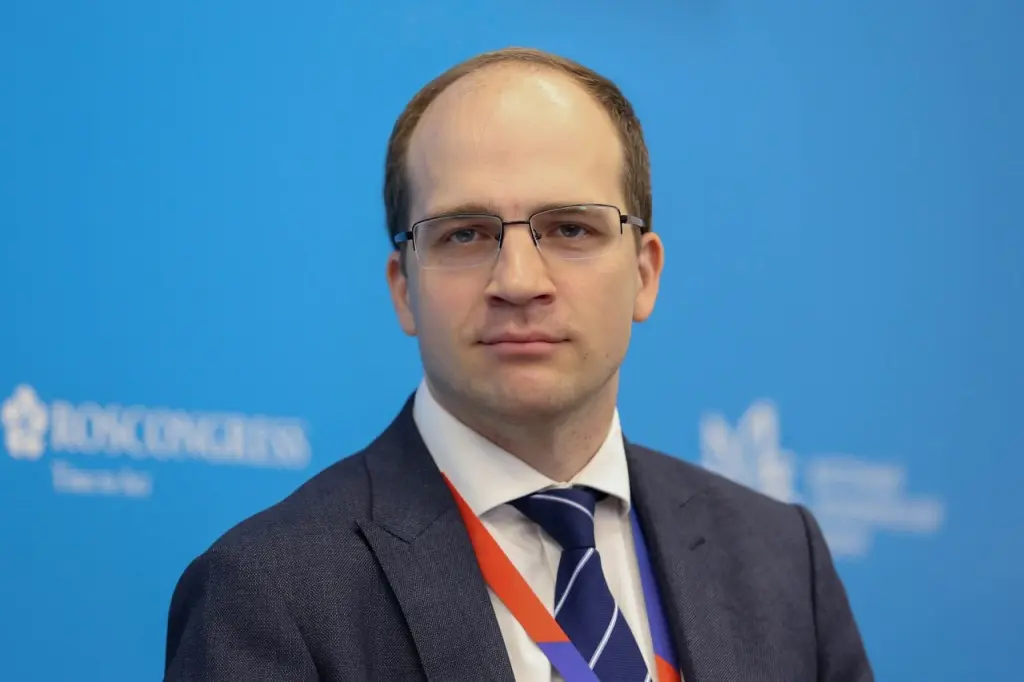
In Russia’s leading business newspaper Vedomosti, on July 2, 2026, a new column was published by Maksim Dankin, General Director of the Project Office for Arctic Development. With permission from the editorial board of Vedomosti, we are republishing the translation of the full text of this material for our readers.
At the end of May, twelve Northern European financial institutions appealed to the European Commission not to abandon support for the moratorium on developing new oil and gas fields in the Arctic. The reason is Brussels’ supposed intention to revise its Arctic policy in light of the new geopolitical and geoeconomic situation.
The European Union finds itself at a critical crossroads. Should it maintain its commitment to rejecting Arctic hydrocarbons, driven by climate ideology? Or should it yield to the logic of energy security and give the green light to drilling in high latitudes? Each option has its supporters, its opponents – and its own consequences for Russia.
Europe Between Gas and the Green Agenda
The European Union is a net importer of energy resources, with about 60% of its energy balance supplied from abroad. Norway plays a key role here: while not an EU member, it is a participant in the European Economic Area and a founding member of the European Free Trade Association, covering a third of the bloc’s gas needs and about 13% of its oil needs, according to statistics from the Norwegian Offshore Directorate.
The Iranian crisis has hit Brussels hard. The blocking of the Strait of Hormuz highlighted the unreliability of hydrocarbon supply chains from the Persian Gulf and forced European officials to consider deepening their partnership with Oslo. But the Norwegians have little to offer beyond existing contracts: production at old fields is declining by 4–5% per year. Without new projects coming online, the country could lose up to a quarter of its current gas exports by 2030.
A way out could be provided by restarting production on the Barents Sea shelf. But there is a key obstacle here. Back in 2021, the EU, following the climate agenda, committed to not supporting further development of Arctic fields. And this makes the purchase of oil and gas from new Arctic shelf projects impossible, even when it comes to allied Norway.
Internal Norwegian Divide
The investors’ letter has exposed a structural fault line. On one side are the advocates of «hard» energy security: a segment of the Eurocracy, oil traders, industrial giants, and the Norwegian state with its state-owned company Equinor. On the other side are green lobbyists – proponents of ESG and investors who have already put money into renewable energy sources (RES).
Notably, Norway finds itself in both camps. The state and Equinor are pushing for the «unfreezing» of the shelf. Meanwhile, Norway’s wealthy pension funds, as major players in the global capital market, are blocking this initiative for fear of reputational losses in light of climate risks.
A similar picture is observed within the EU’s own institutions. Transnationalization and business cosmopolitanism have created a new type of confrontation, in which contradictions are found not in the positions of countries, but in the interests of global cross-border coalitions.
Double Effect for Russia
From the perspective of Russian national interests, the situation is paradoxical. On the one hand, there is a temptation to assume that the EU will return to purchasing Russian hydrocarbons. But Europeans are more likely to revise their climate commitments or accelerate the development of renewable energy than to restart the energy dialogue with Russia now. The political rupture appears not as a temporary fluctuation, but as a long-term trend.
The real benefit for Russia lies elsewhere. Energy difficulties divert EU resources away from maintaining basic infrastructure and industrial-technological development – the example of Deutsche Bahn, which is setting records for unpunctuality on German railways, is perhaps the most striking. And this gives Russia temporary room for maneuver.
But there is another side. The debate in Brussels is shaping a regulatory framework in which «new» Arctic projects are labeled as climatically unacceptable. And this labeling, of course, extends beyond just the Norwegians. Moreover, the mechanisms have already been tested: bans on insurance and chartering of vessels carrying hydrocarbons from projects that do not meet green standards also apply to Russia – through banking and insurance chains that are still largely tied to London.
If the moratorium is maintained, the logic of rejecting «new» Arctic hydrocarbons will become even more deeply entrenched in Western discourse, creating additional barriers for Russian exports to any part of the world.
Outlines of a Sensible Strategy
From this, several pragmatic conclusions follow.
First, do not overestimate the «window of opportunity.» The current slight softening of European rhetoric is caused by the Iranian shock and will subside along with it. Building long-term calculations on a return to the European market is imprudent.
Second, continue shifting the center of gravity of Arctic exports eastward, toward Asian consumers and the Transarctic Transport Corridor. But at the same time, remember that the climate agenda is global, and Asian buyers – especially large corporations operating in Western markets – may also come under pressure. So the «eastern vector» is by no means immune to similar restrictions.
Third, it is necessary to take into account the long-term trend – the development of renewable energy worldwide. Increasingly large funds will be invested in this direction. Technological breakthroughs will inevitably emerge, and more efficient and cost-effective solutions will be implemented. Russia’s task is not to oppose itself to this trend, but to find its own niche within it.
Already now, it is necessary to define the range of new strategic materials without which the «new» energy sector cannot function, just as the «old» one cannot operate without coal or gas. It is essential to build supply chains for the extraction and processing of copper, lithium, rare and rare-earth metals, with Russia as their hub.
The Arctic, as the main storehouse of these resources, plays a key role here. Therefore, the economic development of the Far North must go hand in hand with strengthening its defense. Not out of paranoia, but from a realistic understanding that resources without protection become prey. The contest for Arctic mineral reserves is unfolding against the backdrop of rapid militarization of the region, reflected both in ideology and at the level of concrete practice (expanding military exercises and the development of military infrastructure).
The Arctic must be perceived not as a testing ground for Brussels’ climate experiments, but as a base for maintaining Russia’s strong position in the global energy market. Even after a partial shift in the technological paradigm.
Оthers Our comments
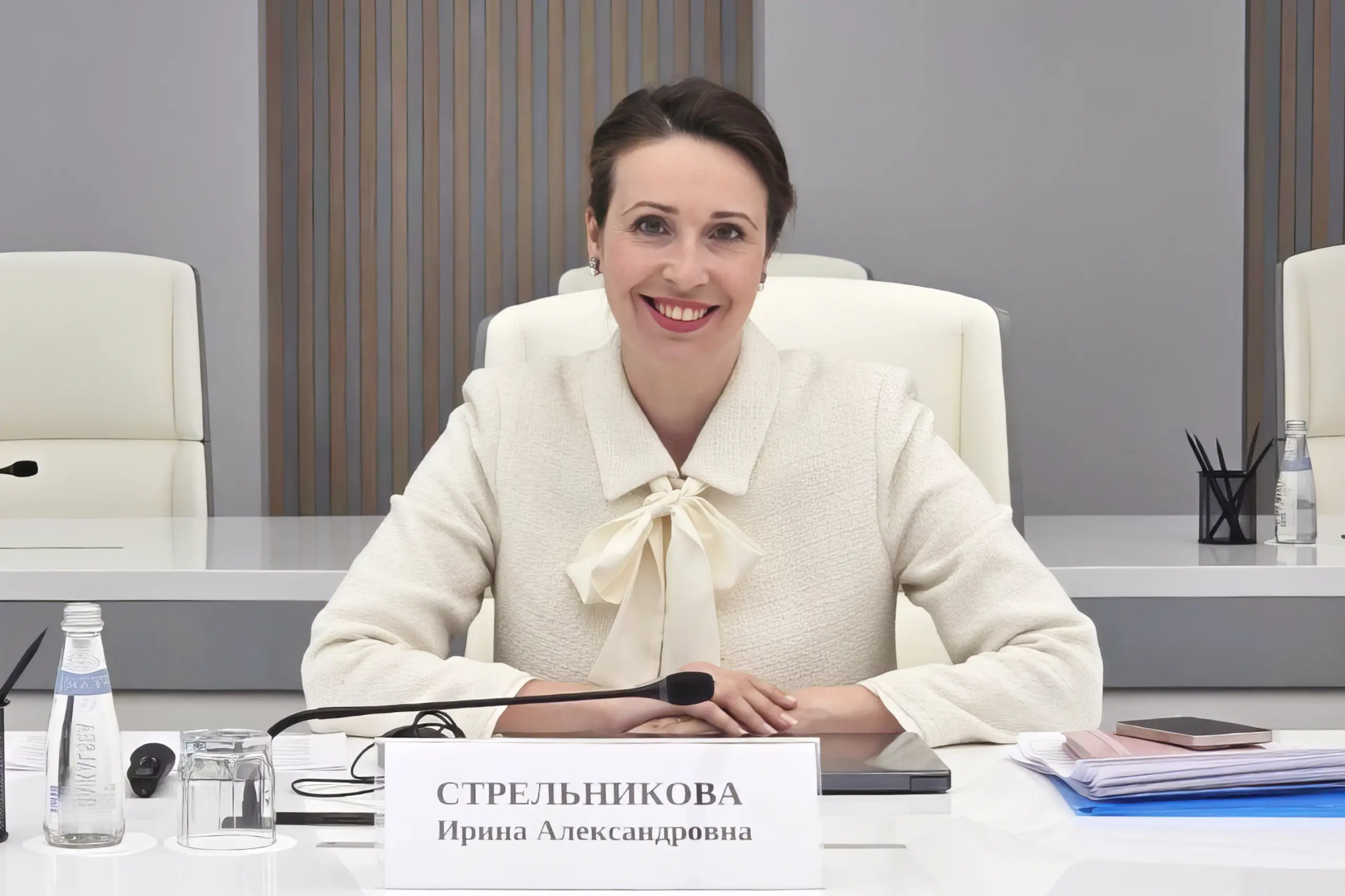
Irina Strelnikova – The Arctic as a Factor of Strength and a Strategic Region in Sweden’s New Arctic Strategy
The document identifies Russia as the most serious threat to Sweden’s national security emanating from the Arctic region; China is described as a state with clear ambitions to become a great power in the polar regions On June 1, 2026, Swedish Minister for Foreign Affairs Maria Malmer Stenergard presented the country’s new Arctic strategy. The...
read more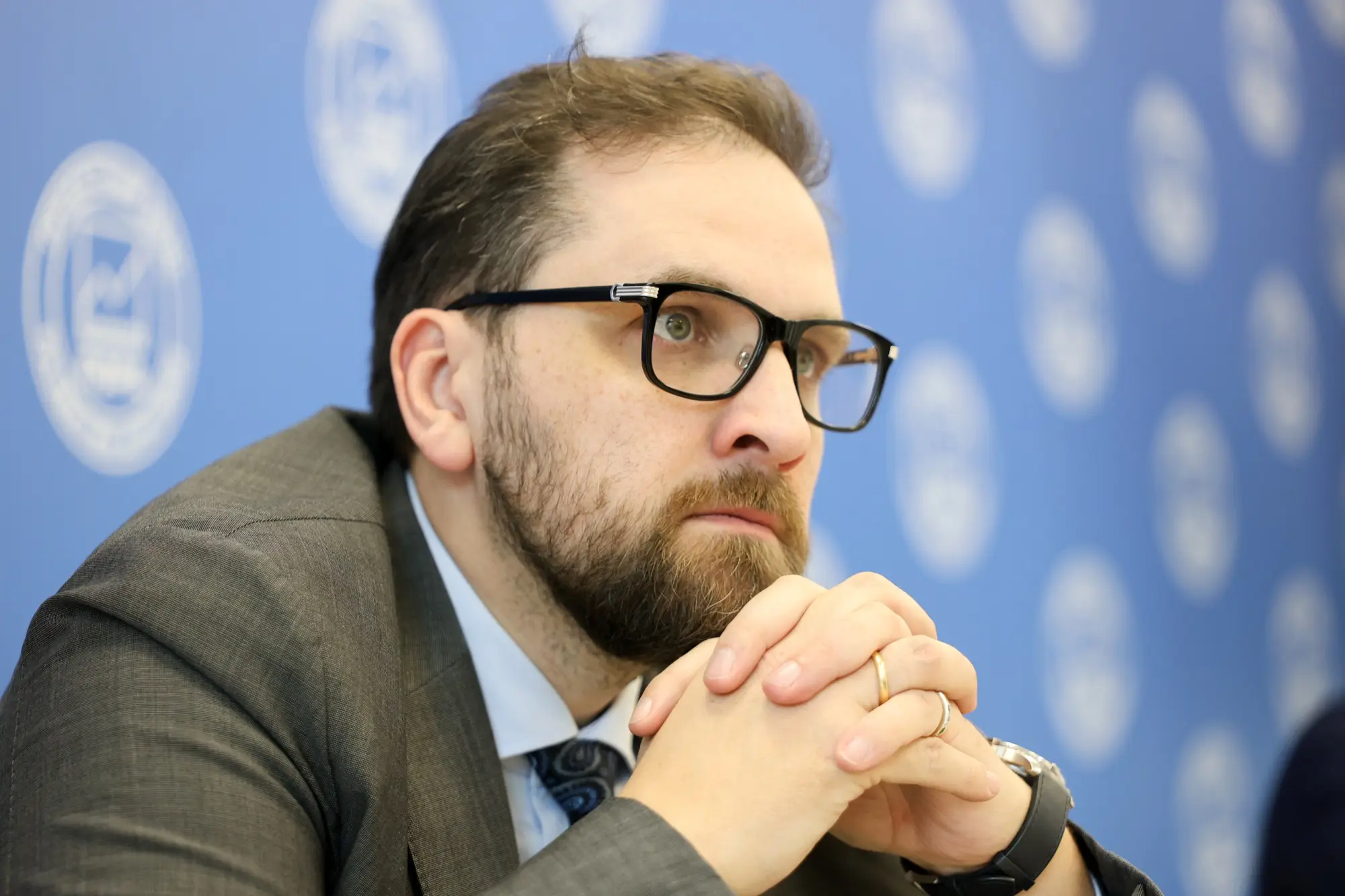
Alexander Makarov on Russia’s Role in International Scientific Cooperation
Breakthrough scientific achievements will be made possible through continued cooperation among countries in the high latitudes. March 20, 2026 In early March, the AARI celebrated the 106th anniversary of the establishment of the Northern Scientific and Commercial Expedition, which became Russia’s premier polar institute. Today, despite difficulties related to the severance of full-scale international ties...
read more