
Olga Buch: Why Norilsk Nickel is Moving Palladium Production from Norilsk to the Murmansk Region
The decision will improve metal recovery, accelerate production processes, and reduce costs; optimizing the production chain will strengthen Russia’s position as a strategic player in the global palladium market
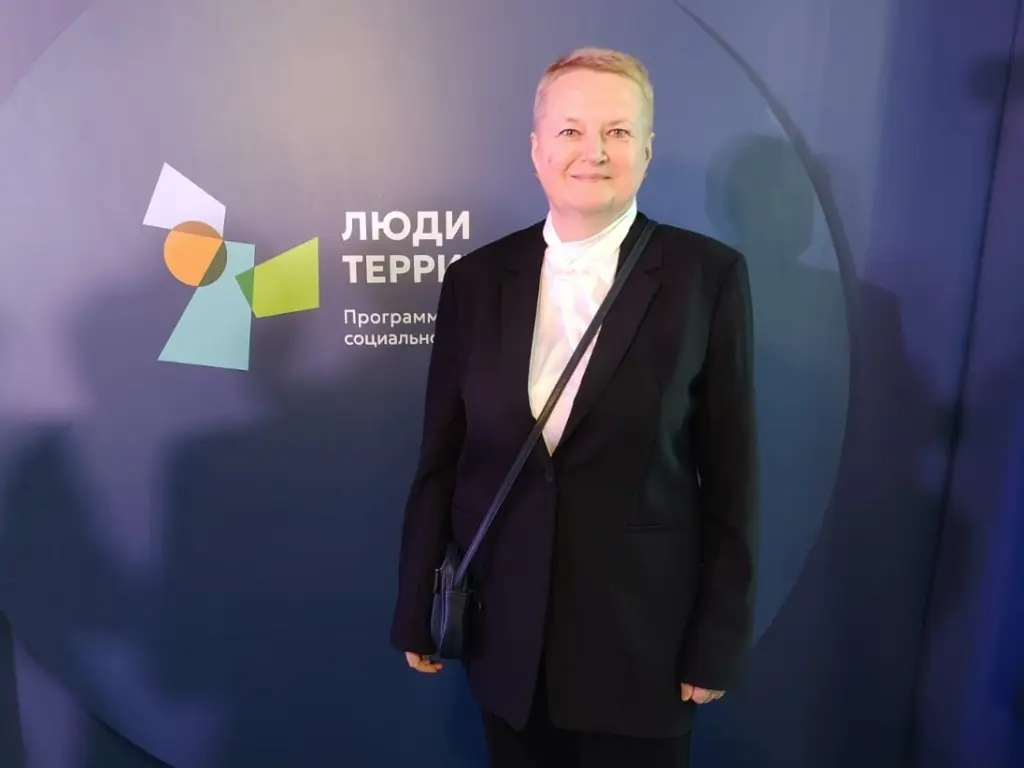
Norilsk Nickel is restructuring its precious metals production chain. Starting in July 2026, the processing of intermediate products will be transferred from the Norilsk Copper Plant to Monchegorsk in the Murmansk Region. All of the company’s palladium — accounting for 40% of global production — will now be produced in Monchegorsk in the form of concentrate. Commenting is PORTA expert Olga Buch, Doctor of Economics, Professor, and CEO of the Association of Arctic Project Contractors «Murmanshelf».
Intermediate product is a cake (residue) of copper slag, formed during the processing of raw materials at metallurgical plants. It is a solid residue remaining after the leaching of the calcine (roasted concentrate) and contains valuable components for further recovery of precious metals. It undergoes four processing stages, two of which have a long production cycle, a high level of work-in-progress, and are energy-intensive.
The production cycle for precious metal concentrates in Monchegorsk is significantly shorter due to the specific technological features of the chemical-metallurgical workshop, the recovery rate of precious metals is higher, and the level of work-in-progress is lower. Therefore, transferring the processing of one of the intermediate products from Norilsk to the Kola Peninsula will improve metal recovery, accelerate the production process, and reduce costs.
The project required modernization of the chemical-metallurgical workshop at Kola MMC: calcining furnaces were replaced with modern ones, and installation of filters, tank equipment, pumping stations, and pipelines was carried out. The project includes advanced gas purification systems, which reduce the environmental impact on the region. Total investment amounted to about 500 million rubles.
Norilsk Nickel is Russia’s main producer of palladium and will remain so, but in the fourth quarter of 2026, the launch of the Chernogorsk Mining and Processing Plant is expected, based on the eponymous deposit in the Norilsk district, which is being developed by Chernogorskaya GRK (Russian Platinum Group). This will create a second major center for palladium and platinum production in Russia. The design capacity of the first phase is up to 9 million tons of ore processed per year, with an output of about 250 tons of copper-nickel concentrate containing platinum group metals.
The world’s largest producers of the metal are Russia, South Africa, Zimbabwe, Canada, and the United States. At the same time, Russia accounts for approximately 40% of global palladium supply. According to forecasts by the World Platinum Investment Council (WPIC), from 2026 to 2030, Russia will maintain its position as the world’s largest palladium producer. According to statistics, about 84.8 tons of palladium were mined in Russia in 2025. It is expected that in 2026, the volume of metal production in the Russian Federation will be about 84.1 tons.
The main application of palladium and platinum is in automotive catalytic converters for exhaust gases, which currently accounts for more than 80% of demand for these metals. In addition, the metals are widely used in electronics, dentistry, jewelry, and other fields. Palladium’s ability to absorb hydrogen finds application in the chemical industry, which is why it is used to produce ultra-pure hydrogen. This opens up broad prospects for the use of palladium in hydrogen energy.
For the Murmansk region, the transfer of production means new jobs, increased tax revenues to the budget, and strengthening the region’s economic potential.
Thus, optimizing Norilsk Nickel’s production chain in the Arctic strengthens Russia’s position as a strategic player in the global palladium market. Improving operational efficiency and reducing processing costs are becoming key factors in the competitiveness of domestic companies, allowing them to maintain profitability even under unfavorable market conditions.
The Project Office for Arctic Development and the editorial board of GoArctic.ru do not necessarily share the opinions expressed by experts.
For media representatives: we welcome the republication of comments provided that an active link to the original source is given and the columnist’s status as an expert of the Project Office for Arctic Development is indicated.
Оthers Our comments
Sergey Nikonorov. ECG Instead of ESG: Russia Is Forming Its Own System for Assessing Responsible Business
Through the ECG rating, the state gains a tool that allows it to incentivize socially responsible behavior by companies and link support measures to specific business reputation criteria The updated national standard GOST R 71198–2026 «Business Reputation Index of Business Entities (ECG Rating)» comes into force on June 13, 2026. The expanded methodology aims to...
read more
Elena Gladun: «The Co-Management Model Offers Many Opportunities for Transforming Indigenous Peoples’ Lives»
This partnership tool between the state and Indigenous small-numbered peoples supports traditional ways of life and livelihoods while simultaneously enabling the effective use of territories and natural resources for socio-economic development June 5, 2026 On May 29, 2026, the PORA Expert Center held a discussion club on the topic: «Protecting the Rights of Indigenous Peoples...
read more