
Russia-China Partnership Is More Complex Than It Seems
Since the 1970s, American diplomats have expressed concerns regarding whether the partnership between Russia and China is merely a pragmatic alliance or one of a more strategic nature.
The 2024 Pentagon Arctic Strategy, a policy document developed under the Biden administration and currently in effect, designates the Arctic region as critical for homeland defense and fulfilling defense treaty commitments. The strategy identifies the possibility of increased PRC-Russia cooperation and coordination as a primary long-term challenge to United States interests in the Arctic.
«China’s Arctic ambitions are closely linked to its broader foreign policy. The Polar Silk Road initiative and the expanding Belt and Road Initiative’s ambitions to the High North are aligned with Russia’s efforts to develop commercial shipping along the Northern Sea Route. Chinese investment in Russian Arctic LNG projects has been significant, and China has steadily expanded its participation in the Arctic Council as an observer,»
— noted Pavel Devyatkin
NSR May Both Unite and Split Russia and China
It is feasible that the NSR may serve as a catalyst for enhanced collaboration between Moscow and Beijing, thereby strengthening their strategic partnership. Conversely, it could also reveal underlying tensions, as China views the NSR as an international waterway, while Russia regards it as a national asset.
Russia Has No Special Interests in Greenland, Unlike China
The myth about Russian and Chinese ships around Greenland no longer surprises anyone.
«What President Trump is making against Greenland is making China and Russia look like more reliable partners. The rationale for Trump’s desire to take Greenland is there are Russian and Chinese ships and Russia and China are trying to take Greenland. First of all, there’s no evidence of that happening,»
— the expert concluded
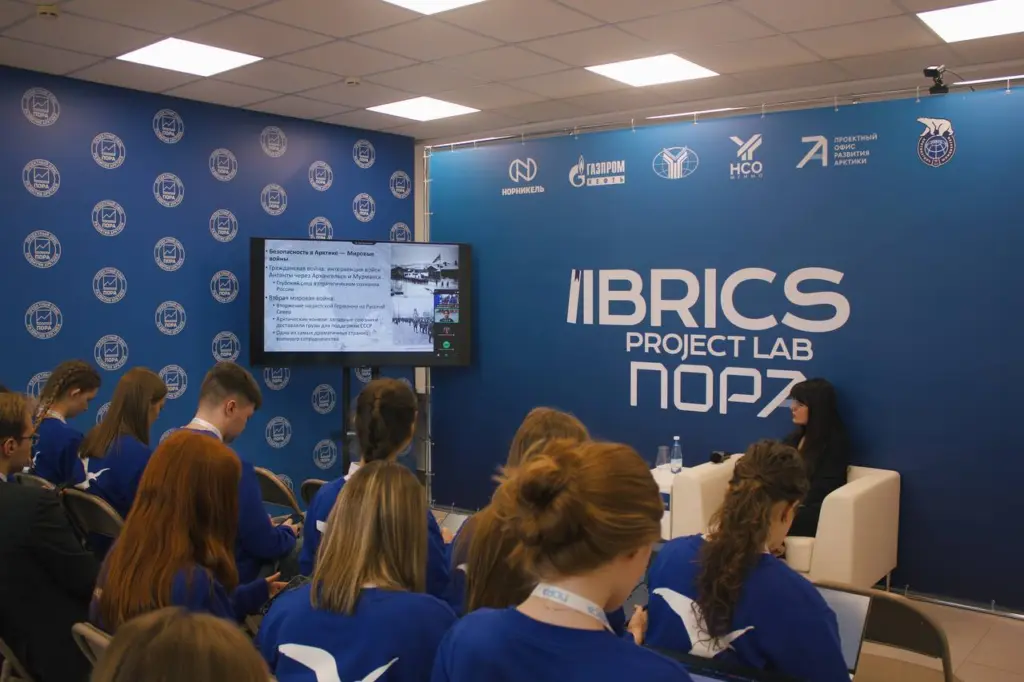
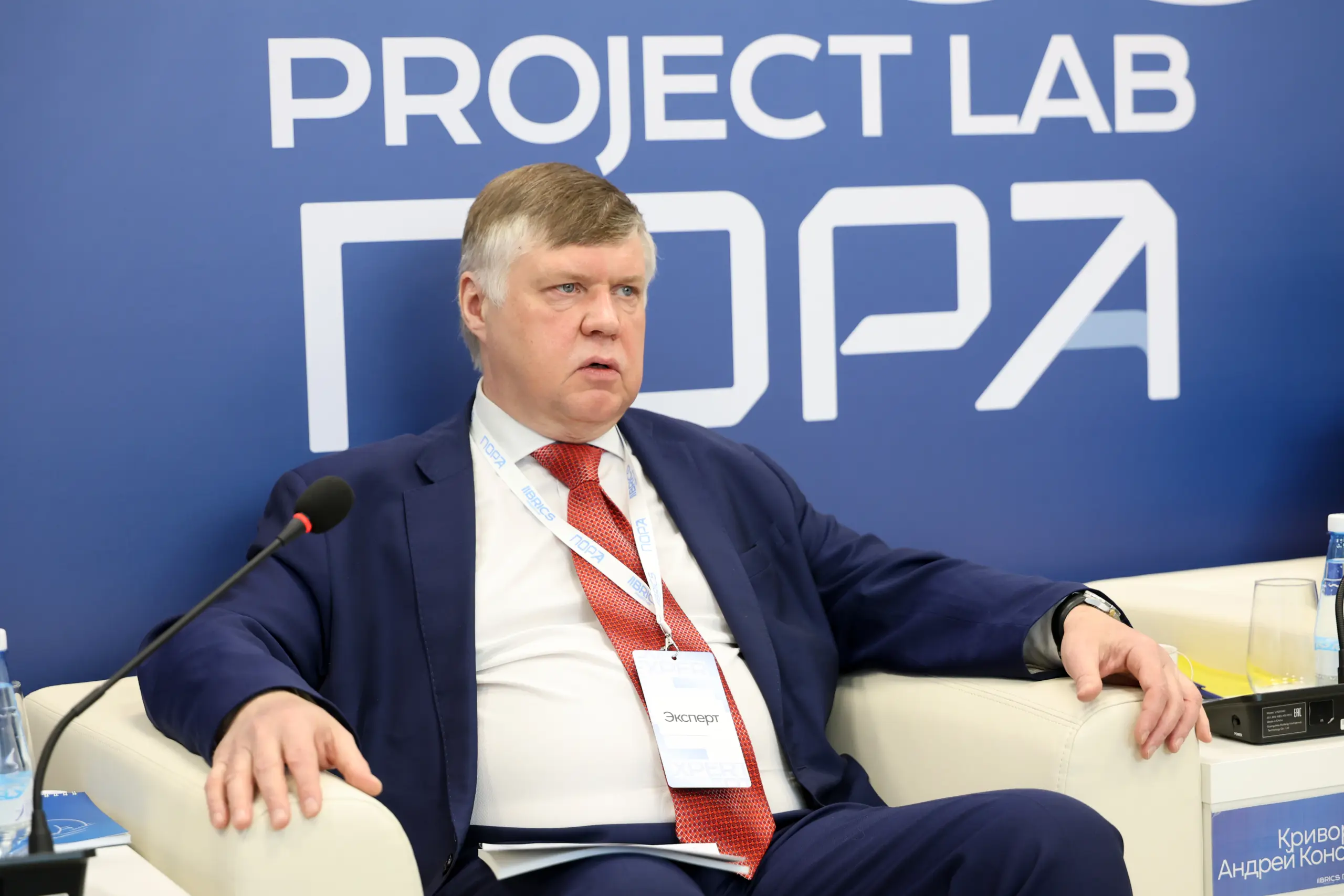
As part of the BRICS Project Lab Arctic 2.0 initiative hosted by the PORA Expert Center, a presentation on the geopolitical concept of the «Arctic Strategic Triangle» was delivered by Pavel Devyatkin, a senior associate and member of the Leadership Group of The Arctic Institute, non-resident fellow at the Quincy Institute.
Further information about the event is available here:
International Project Laboratory BRICS Project Lab Arctic 2.0 Launches in Moscow
The Project Office for Arctic Development does not always share the opinions expressed by experts.
For media representatives: we welcome republication of comments provided that an active link to the original source and the columnist’s status as an expert of the Arctic Development Project Office are indicated.
Оthers Our comments
Interpreting the Spitsbergen Treaty: Some Historical Sensitivities
Five years into its second century, the Paris Treaty on Spitsbergen remains an important building block of international Arctic law and a strong foundation for Russia’s continued presence in the islands.
read more
Maksim Dankin: Monetizing Carbon Regulation
The Arctic Carbon Registry could become Russia’s response to the risks of multibillion-euro losses resulting from the introduction of the European Carbon Border Adjustment Mechanism (CBAM) The online publication Expert – North-West has published a column by Maksim Dankin, Director General of the Project Office for Arctic Development. In the article, the head of the...
read more