
Editor-in-Chief of the Journal «Arctic 2035» Speaks at Russian-Chinese Conference on Arctic and Far East Development
Maria Lagutina presented a report on bilateral research cooperation in the polar region and showcased the latest issue of the scientific journal published by the PORА Expert Center
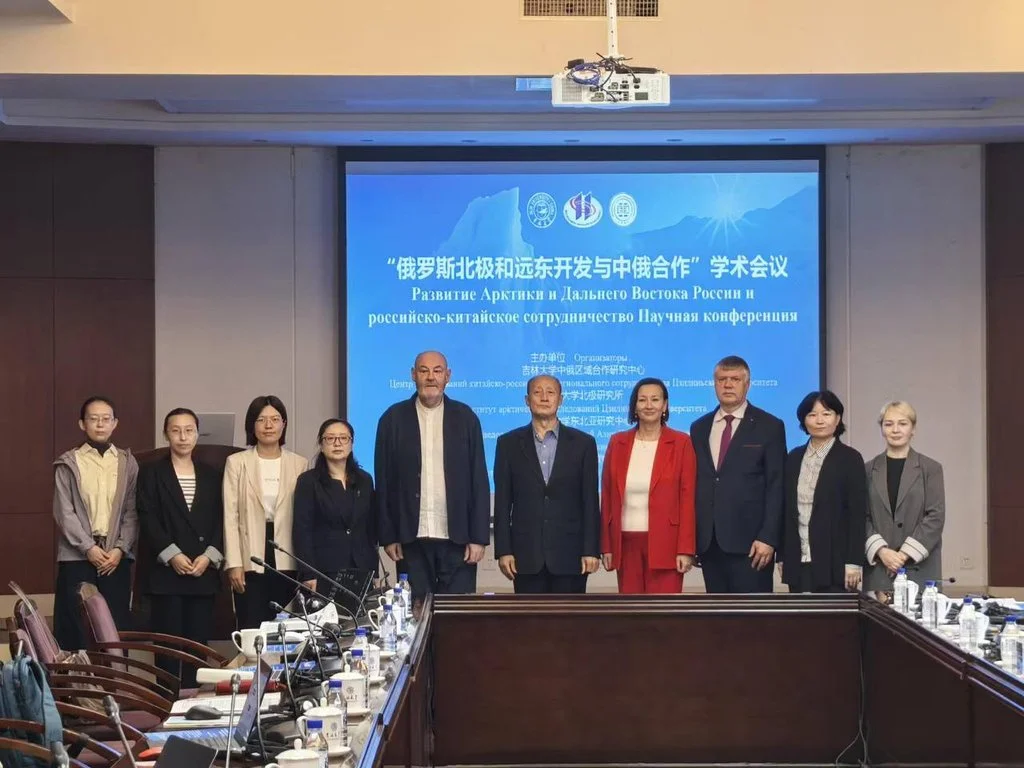
Maria Lagutina, Editor-in-Chief of the PORА scientific journal Arctic 2035 and Professor at the Department of World Politics of St. Petersburg State University, spoke at the scientific conference «Development of the Russian Arctic and Far East and Russian-Chinese Cooperation,» held on September 8, 2026, in Changchun (China).
The conference was organized by the Center for Studies of Chinese-Russian Regional Cooperation, the Institute of Arctic Studies, and the Center for Northeast Asian Studies at Jilin University, with the participation of the Russian Society of Eastern Europe and Central Asia of Jilin Province. The event brought together Russian and Chinese researchers studying the Arctic, international relations, and regional cooperation.
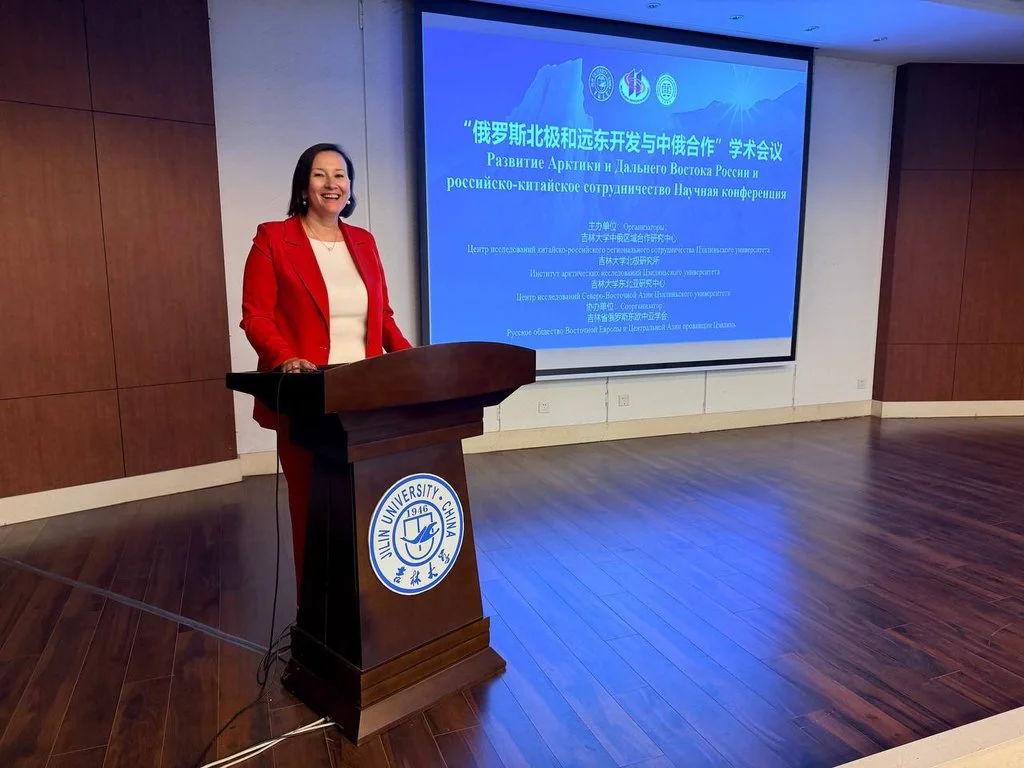
Maria Lagutina presented a report titled «Russian-Chinese Research Cooperation in the Arctic.» In her talk, she examined the transformation of international scientific interaction in the Arctic after 2022 and China’s role in the emerging system of Russia’s scientific partnerships.
According to the expert, Russia is responding to changes along two tracks: it seeks to preserve possible elements of circumpolar cooperation while simultaneously expanding scientific ties with Asian and Global South countries. Within this context, Russian-Chinese interaction occupies a special place, as its foundation had been laid long before 2022.
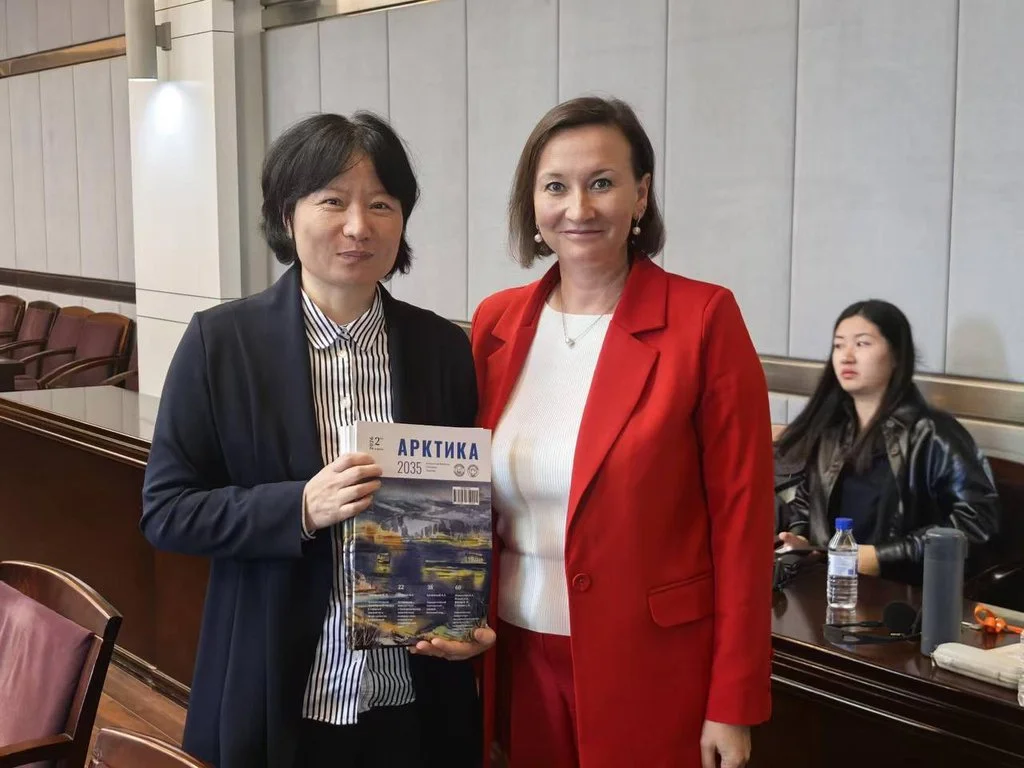
«After 2022, we are not so much creating a new Chinese direction as scaling up and functionally deepening an already existing partnership. The new quality lies in the transition from academic contacts to a more comprehensive model that includes joint centers, laboratories, expeditions, personnel training, technology, and multilateral research networks,» noted Maria Lagutina.
Special attention in the report was paid to the prospects of Russian-Chinese scientific cooperation. In Maria Lagutina’s view, it should not be seen as a replacement for the former circumpolar model, and certainly not as the foundation for a closed alternative scientific bloc. Rather, it is becoming one of the mechanisms for adapting Russian Arctic science to the emerging polycentric system of international scientific cooperation.
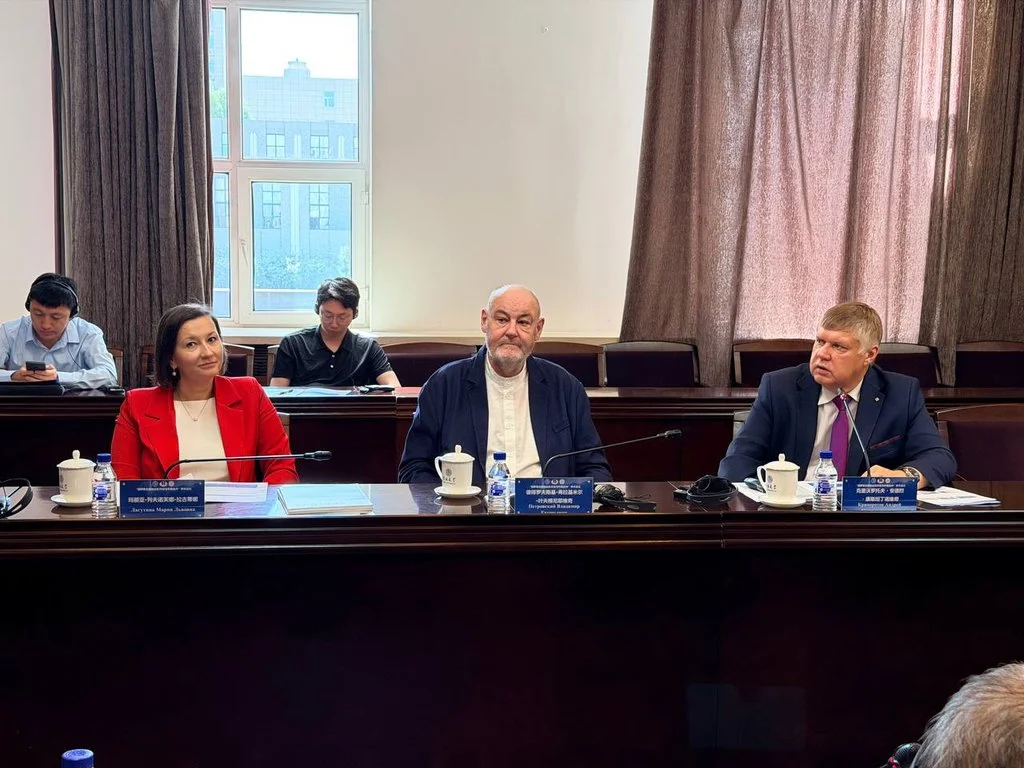
Within this system, the Arctic Council and traditional circumpolar institutions may retain their role, but alongside them, bilateral partnerships, BRICS, Russian-Asian research networks, university consortia, and joint science and technology projects are gaining increasing importance.
«After 2022, international Arctic science has not disappeared, but has become significantly more fragmented. We are witnessing not the end of international cooperation, but its structural reorganization,» emphasized Maria Lagutina.
Оthers Our news
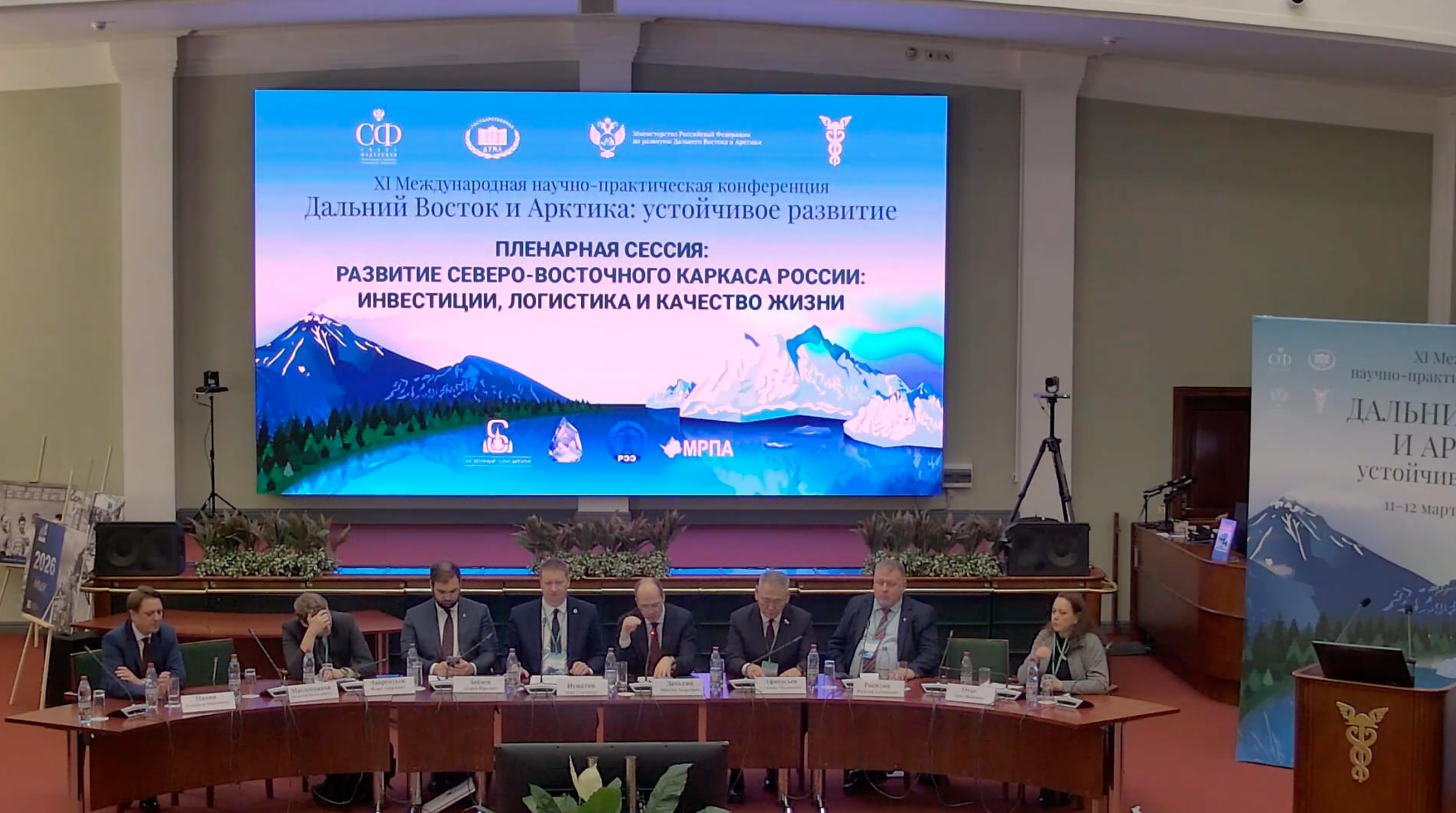
Advancements Needed for Arctic Transportation Infrastructure, Logistics, and International Collaboration Discussed in Moscow
March 12, 2026 The XI International Scientific and Practical Conference «The Far East and the Arctic: Sustainable Development» commenced on March 11th at the Chamber of Commerce and Industry of the Russian Federation. The plenary session, moderated by Maksim Dankin, General Director of the PORA Expert Center, delved into key aspects of sustainable development in...
read more
Transarctic Transport Corridor: A Top Priority for the Maritime Collegium of the Russian Federation on Safeguarding Russia’s National Interests in the Arctic
The Presidential Decree amended the composition and regulations of the Maritime Collegium, establishing a Council for the Protection of National Interests in the Arctic and the Development of National and International Maritime Transport Routes.
read more