
Experts Discuss Climate Change in the Arctic and Preparation for COP31
Climate Change Costs Yakutia 2 Billion Rubles a Year
March 14, 2026
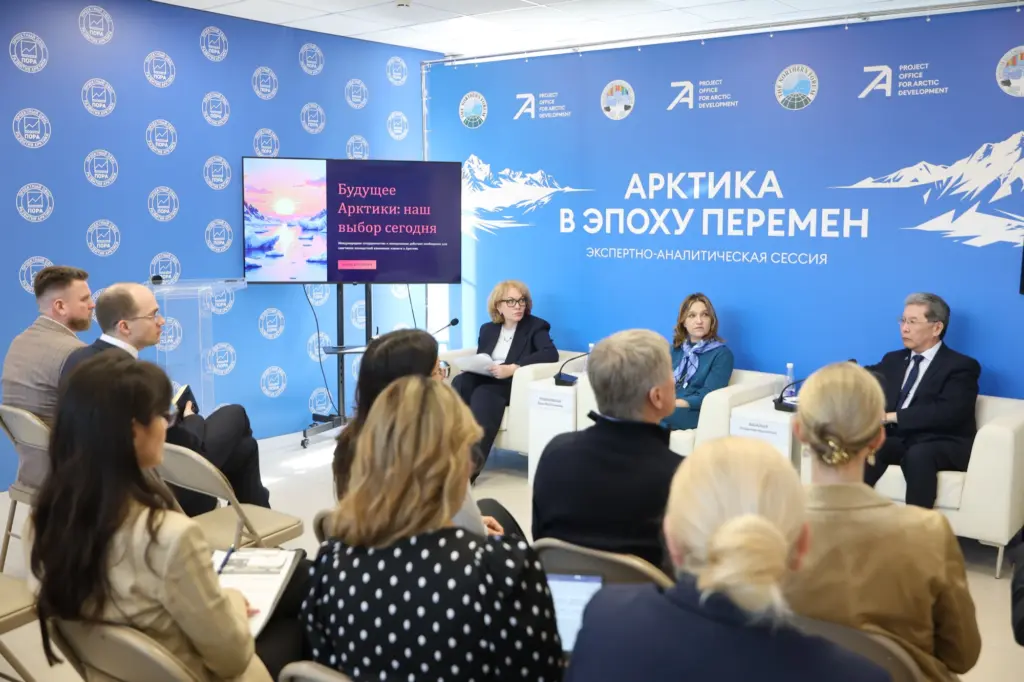
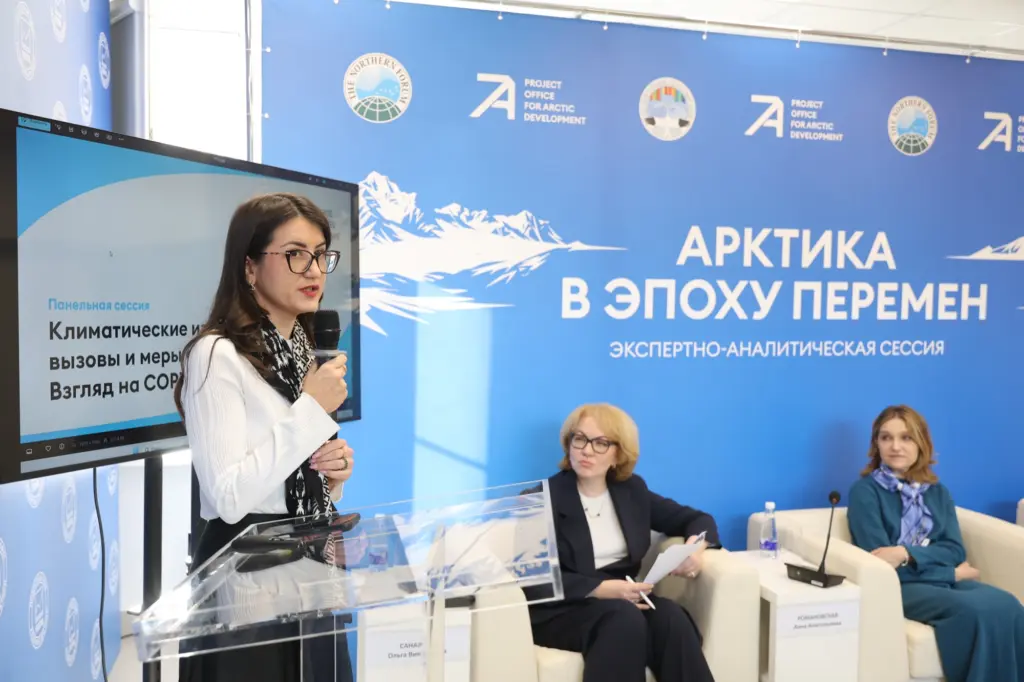
At the conference «The Arctic in an Era of Change,» co-organized by PORA and the Northern Forum, a session was held titled «Climate Change in the Arctic. Challenges and Adaptation Measures. A Look Ahead to COP31 (the UN Climate Change Conference).» The moderator was Olga Sanarova, Chair of the Organizing Committee of the Russian Partnership for Climate Preservation.
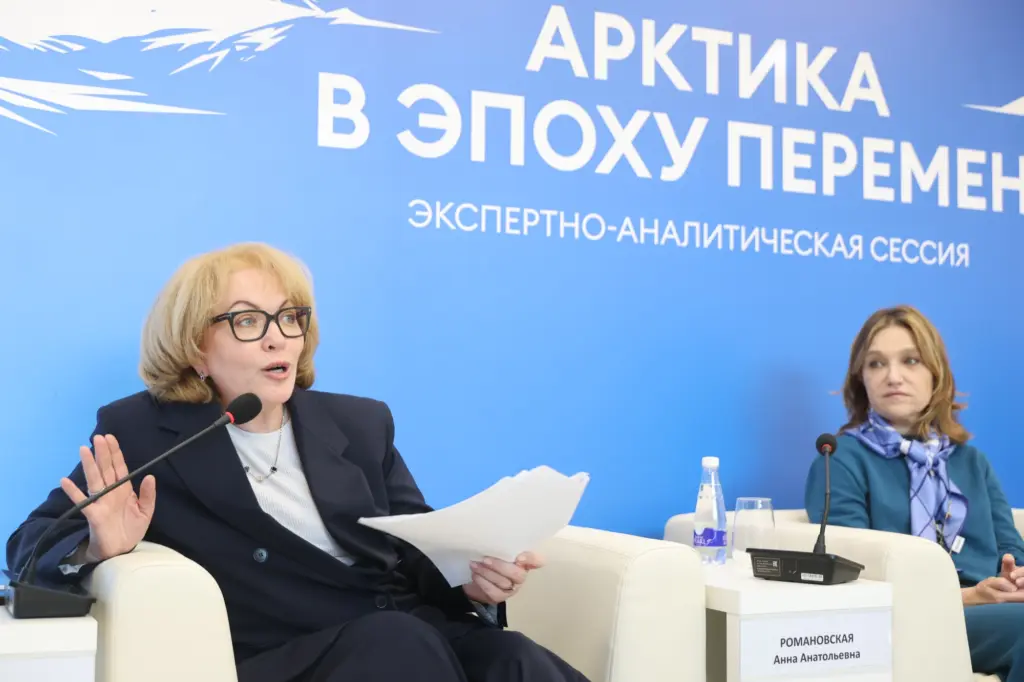
Opening the discussion, she noted that the Arctic is one of the key indicators of global climate change: warming in the region is occurring at a rate significantly exceeding the global average, leading to permafrost degradation, ecosystem transformation, and increased risks for infrastructure and traditional livelihoods.
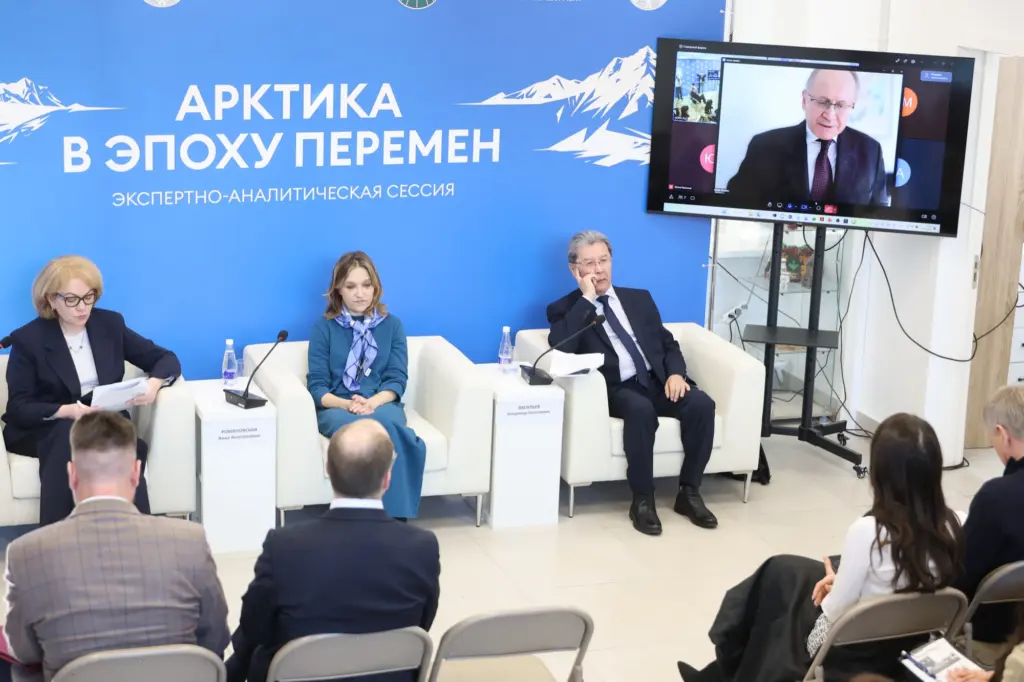
Ambassador Extraordinary and Plenipotentiary of the Russian Federation, Anton Vasiliev, presented the key facts characterizing climate processes in the region. He noted that the Arctic is warming three to four times faster than the planet as a whole, sea ice extent has reached a record low, and permafrost degradation, along with changes in flora and fauna, are already having a noticeable impact on the economy and infrastructure of northern territories.
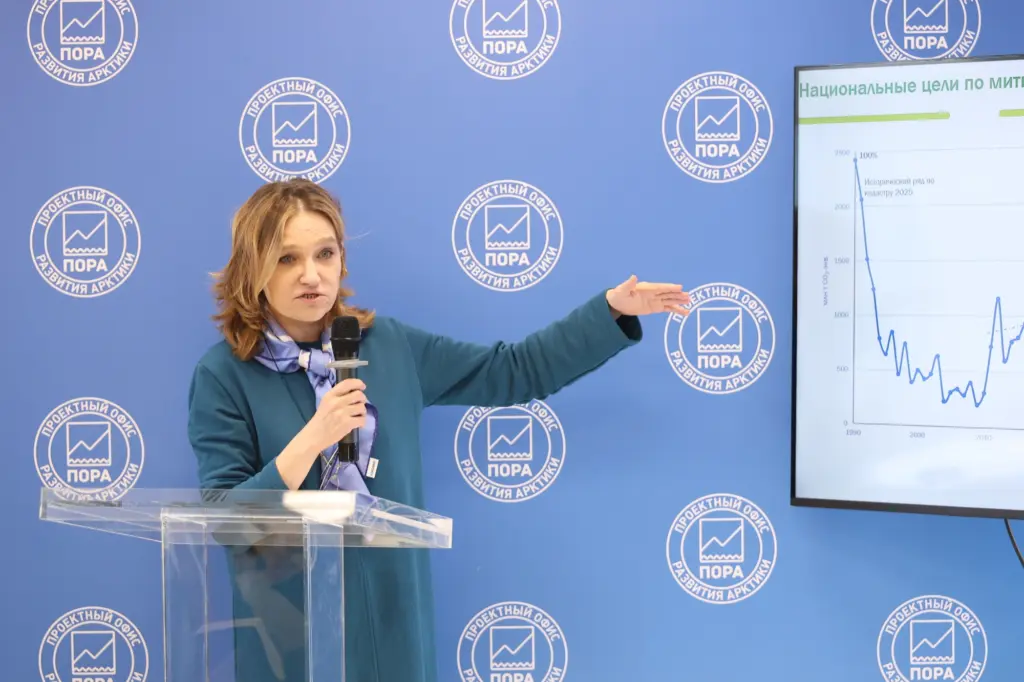
Adaptation to climate change is better than mitigation, believes Anna Romanovskaya, Director of the Yu.A. Izrael Institute of Global Climate and Ecology. She drew attention to the problems of climate policy in the country. Russia has a fairly well-developed regulatory framework concerning emission reductions, but the national targets for emission reductions are not actually aligned with the actual inventory data. Furthermore, there are no clear quantitative targets for adaptation to climate change, nor a system for assessing the effectiveness of such measures, she emphasized.
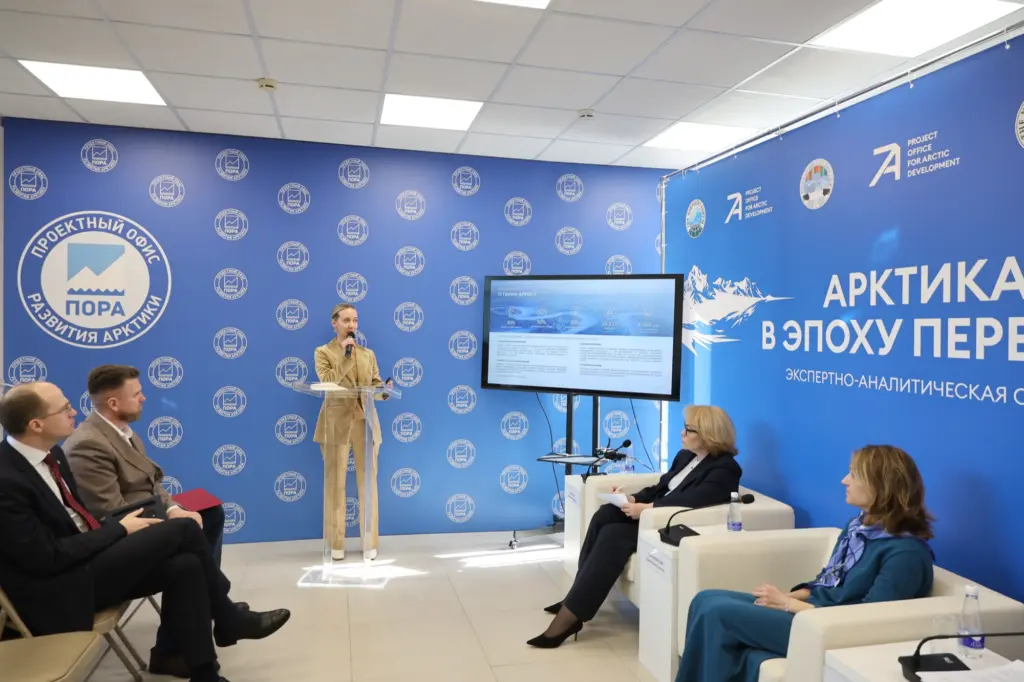
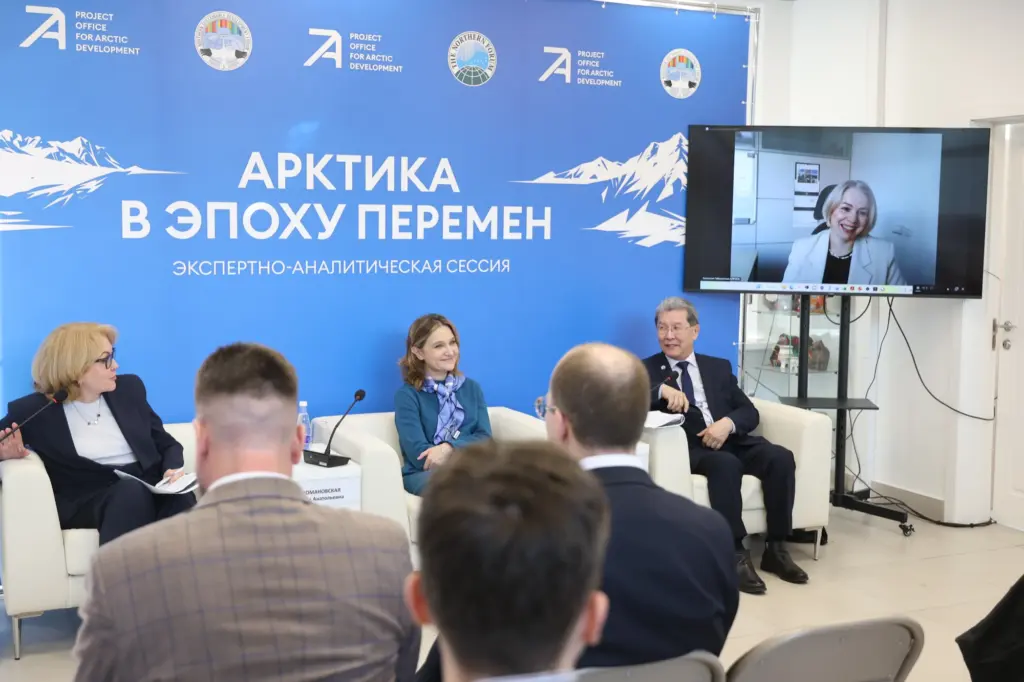
Representatives of the company Alrosa spoke about the practical impact of climate change on industrial infrastructure in the permafrost zone. According to them, climate risks directly affect logistics, the stability of production facilities, and the living conditions of local communities; therefore, companies are forced to intensify their adaptation efforts and flexibly adjust their strategic sustainable development plans.
Milena Milich, Special Representative of the Governor of the Sakhalin Region for Climate Issues, shared the region’s experience in climate regulation. She noted that in the Sakhalin Region, an authorized body has been established to coordinate climate policy and the implementation of a regional experiment on carbon regulation, as well as to formulate a program of practical projects in the field of mitigation and adaptation. According to her, it is utopian to expect that every region will have highly qualified climatologists; instead, there is a need to concentrate such personnel at the federal level and cascade the targets down to the regions.
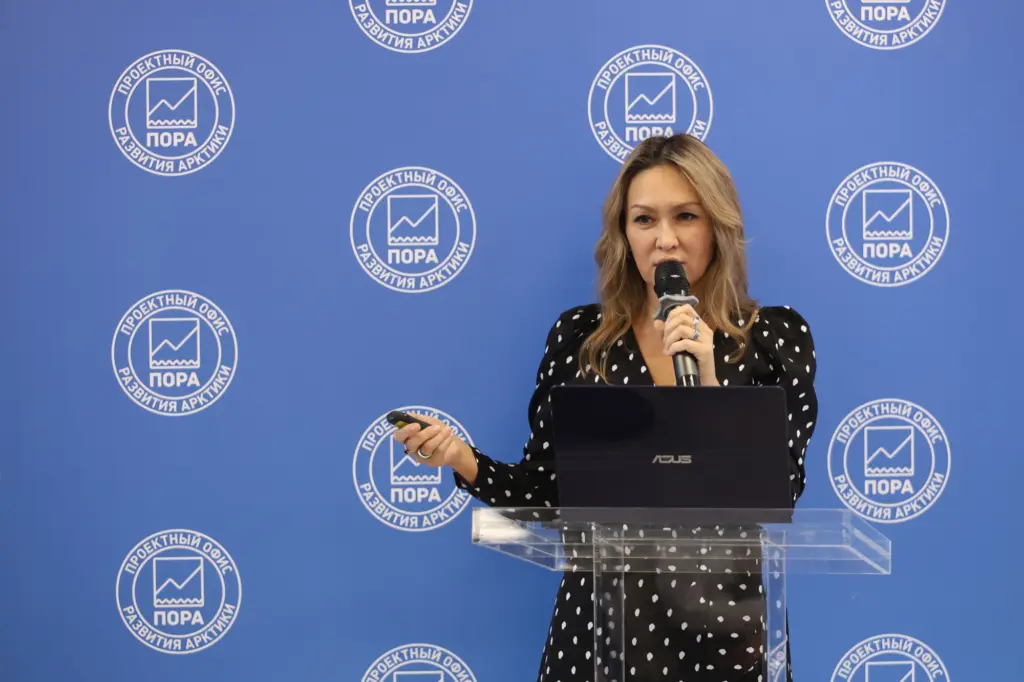
Nadezhda Krasilnikova, Director of the Arctic Scientific Center of the Republic of Sakha (Yakutia), presented data on climate risks in the region. «The direct damage from climate change in Yakutia over the past ten years has amounted to more than 20 billion rubles at current prices, with 47% of this damage caused by floods and 42% by wildfires. At the same time, the region has significant potential for climate projects thanks to its vast forest fund,» she noted.
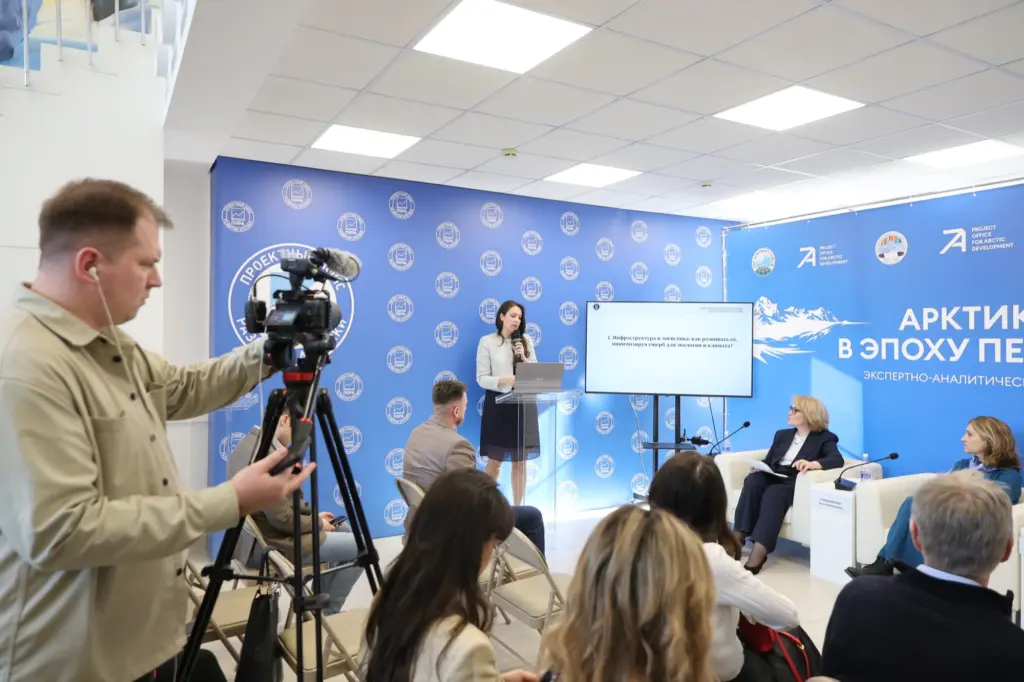
Irina Strelnikova, Associate Professor at the Faculty of World Economy and International Affairs at HSE University, spoke about the opportunities for international cooperation in climate research. According to her, science diplomacy remains one of the key channels of interaction today, and BRICS countries, including China and India, are showing significant interest in joint projects in the Arctic.
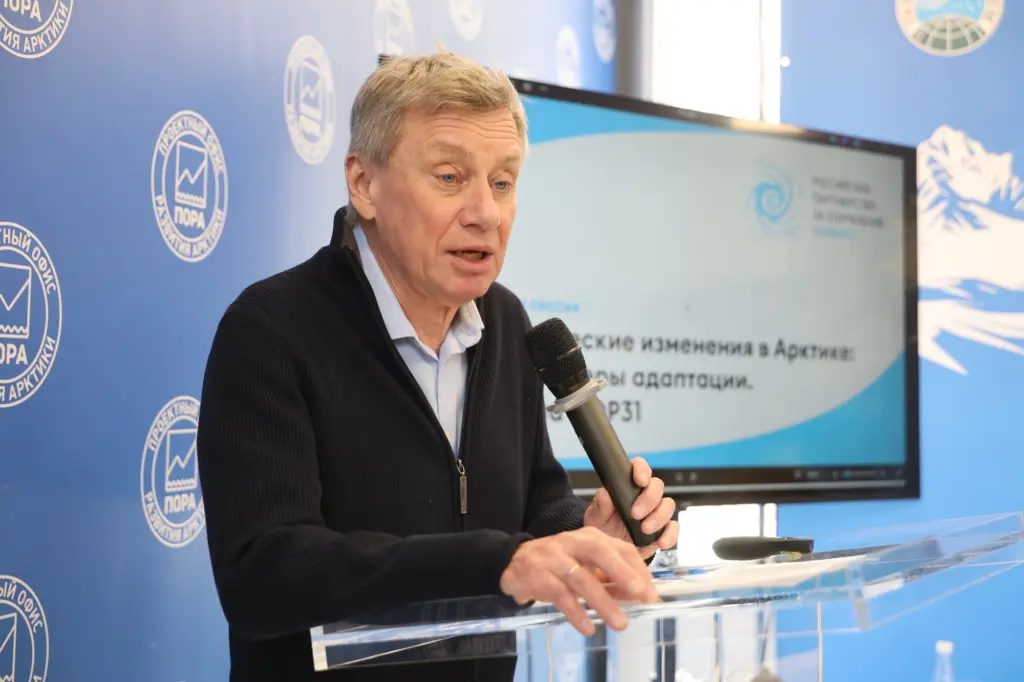
Alexey Kokorin, an expert at the «Nature and People» Foundation, presented a forecast for the agenda of the upcoming conference. He noted that at the previous meeting, a system of indicators was formed to assess adaptation actions, and the Arctic could make an important contribution to their practical testing based on specific scientific and infrastructure projects.
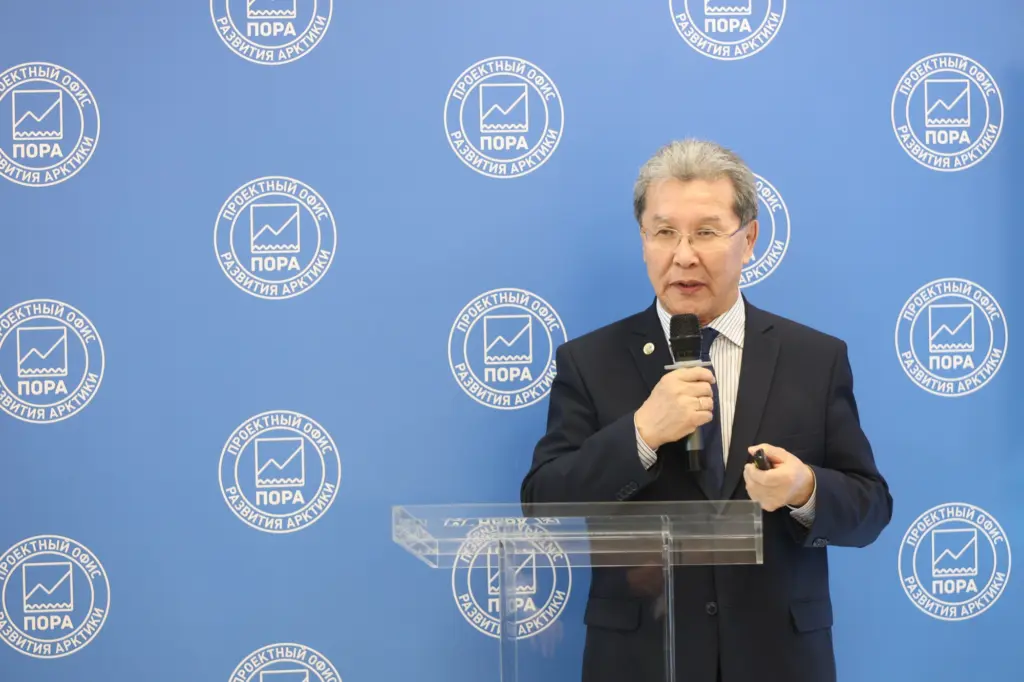
Vladimir Vasiliev, Executive Director of the Northern Forum, emphasized the importance of strengthening international dialogue on the Arctic climate agenda. «We need to create an Arctic Pavilion at COP31 in Antalya. Such a platform would allow us to bring together experts, scientists, and representatives from different countries to discuss Arctic issues and would amplify the region’s voice in the global climate dialogue,» he stated.
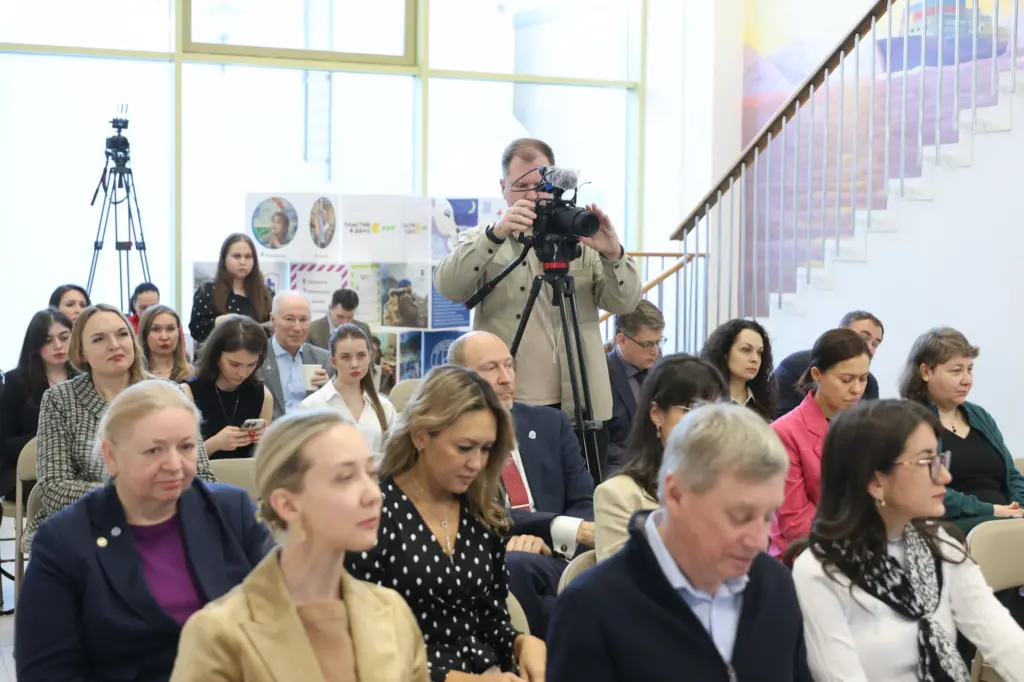
Session participants agreed that climate change is already having a significant impact on the economy and infrastructure of the Arctic. In these conditions, the key tasks are the development of scientific research, the improvement of climate policy mechanisms, the expansion of international cooperation, and the implementation of practical adaptation projects.
Оthers Our news
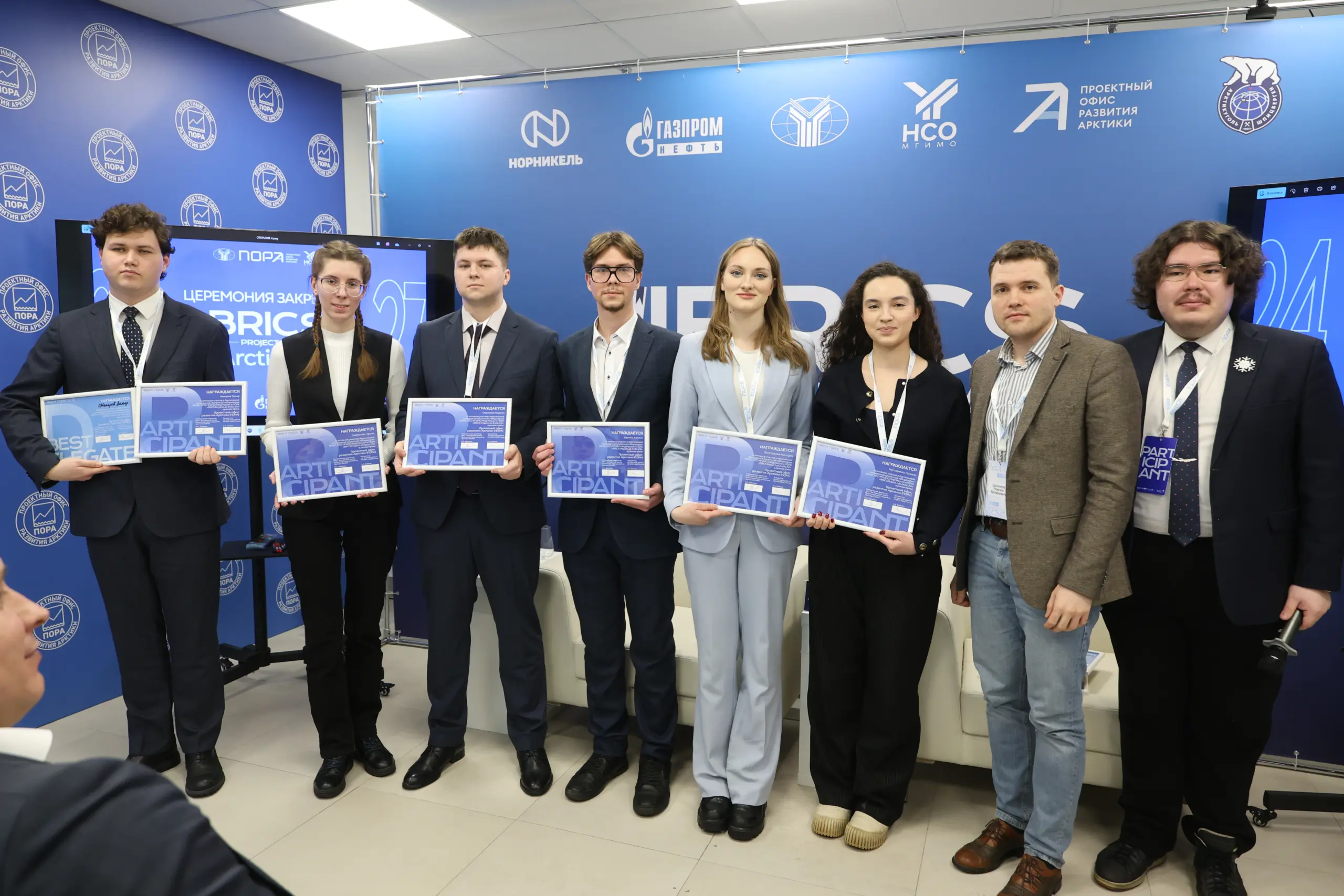
PORА Hosted BRICS Project Lab Arctic 2.0
The concluding session of the BRICS Project Lab Arctic 2.0, an international initiative, was held at PORA Expert Center in Moscow. Over four days, participants worked on applied cases from industrial partners, discussed issues of sustainable development in the Arctic, economics, and international cooperation, attended lectures by renowned experts, and at the end of their...
read more
PORA to Participate in Implementing the Sustainability Concept for Indigenous Minorities
By order of the Government, the action plan for the first phase of implementation (2026–2028) of the new Sustainability Concept for Indigenous Minorities of the North, Siberia, and the Russian Far East through 2036 has been approved.
read more