
Participants of the BRICS Project Lab Arctic 3.0 laboratory attended a lecture by KRDV
The audience learned about plans for the development of the Russian Arctic firsthand; the meeting with them was held by Ilya Chernov, Deputy General Director of the Corporation for the Development of the Far East and the Arctic
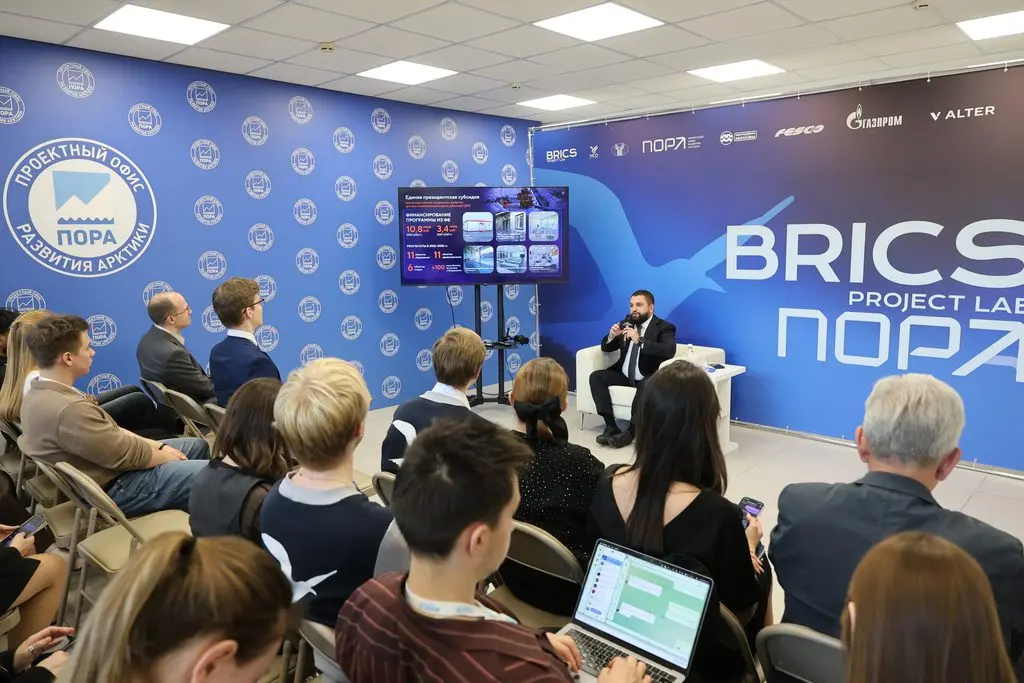
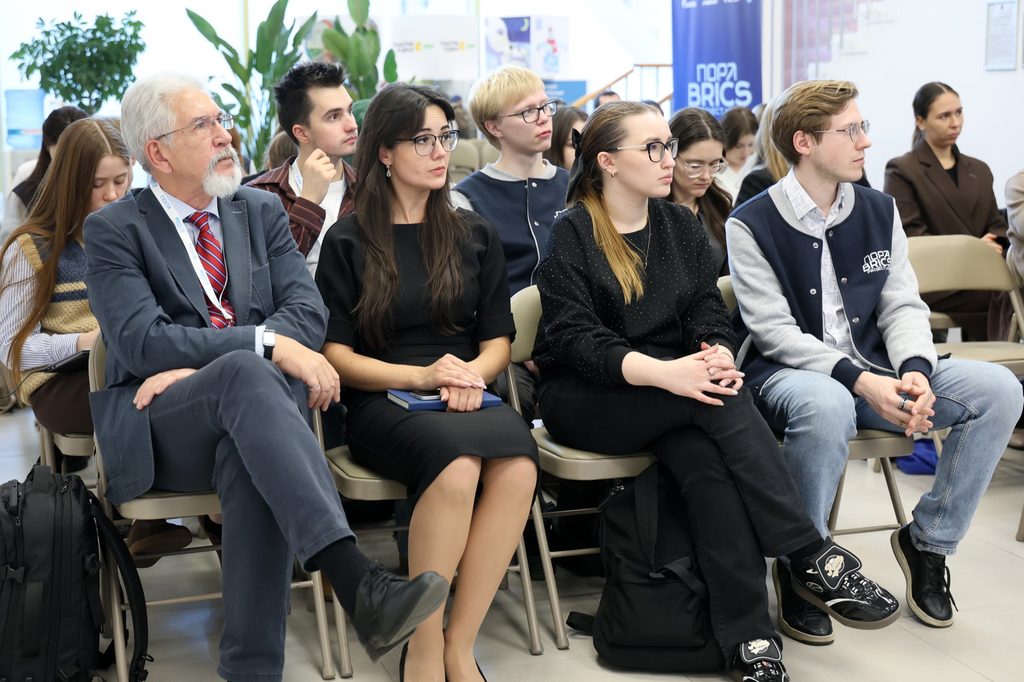
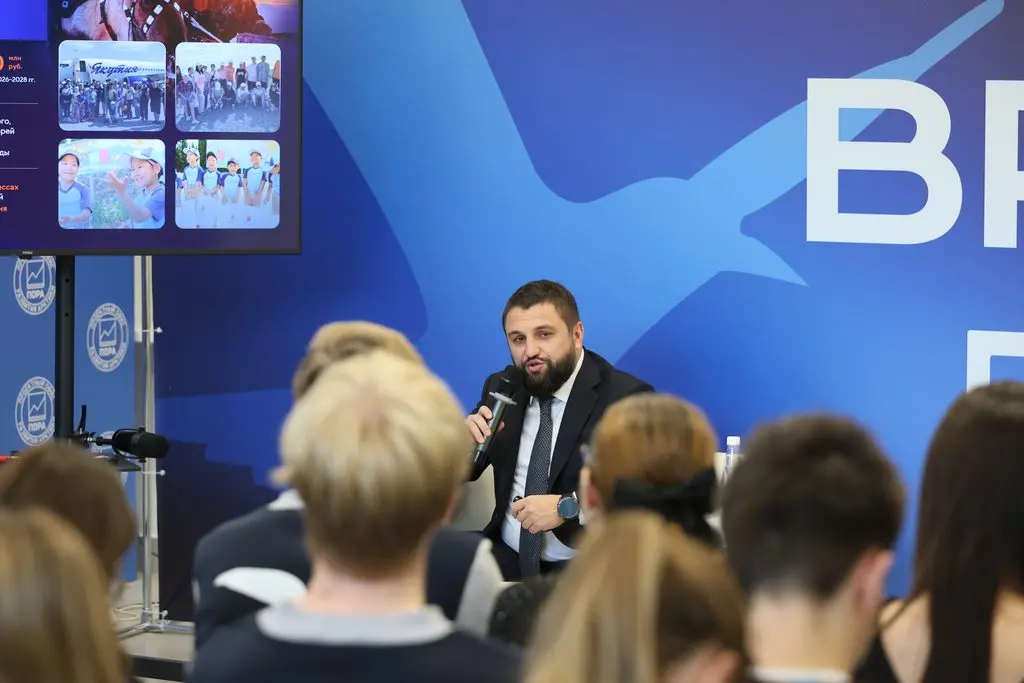
On October 29, 2026, a lecture was held at the Expert Center «Project Office for Arctic Development» (PORA) by Ilya Chernov, Deputy General Director of the Corporation for the Development of the Far East and the Arctic for Arctic Development. The KRDV representative spoke to participants of the international laboratory BRICS Project Lab Arctic 3.0. The topics of the meeting were investment, social programs, and transport infrastructure in the Arctic. We present the main theses of the lecture for our readers.
- Russia has been developing the Arctic for more than 500 years, but its resources remain difficult to access due to the harsh climate. The average annual temperature here is minus 7 degrees, and permafrost occupies about 90% of the territory. At the same time, the Arctic accounts for 6.2% of Russia’s GDP and 10% of exports.
- The number of Arctic projects with state support has grown from 106 in 2020 to 1,112 in 2026. The volume of declared investments increased from 311 billion to 2.692 trillion rubles, and actual investments from 53 billion to 1.038 trillion. Since 2020, 24.2 thousand jobs have been created.
- Arctic tourism is also attracting investment. Among the projects are «Valla-Tunturi,» «Teriberka,» Bolshoy Vudyavr in Murmansk Oblast, and «Ray-Iz» in Yamal.
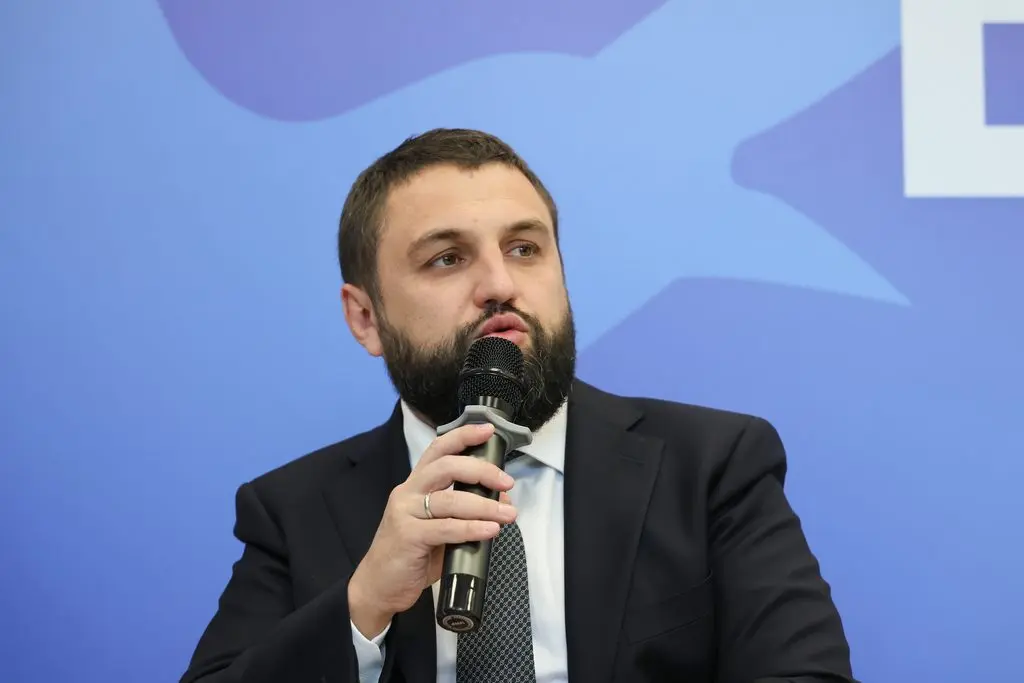
- The «Arctic Hectare» helps build housing and develop business, including tourism. The program has 13 thousand participants. The Arctic mortgage helps retain young specialists: 31 thousand families have used it.
- A single presidential subsidy supports the construction of social facilities: hospitals, schools, sports facilities.
- Renovation of closed administrative-territorial formations and military towns is needed to improve the lives of military families: warm housing, schools, and leisure for children.
- Support for indigenous small-numbered peoples of the North helps preserve their traditional way of life. Eleven trade and logistics centers have been created for the delivery of goods and the export of venison, fish, and wild plants. Necessary equipment is being purchased.
- Master plans for supporting settlements cover 1.7 million people, or 68% of Arctic residents. Not only construction and landscaping are important, but also an understanding of what will drive the economy of each city.
- An update to the Arctic development strategy through 2050 is being prepared. Among the priorities are sustainable demographic development, quality of life, the economy, security, and ecology.
- A common financial model is needed linking extraction, energy, transport, and processing across the entire country.
- The total volume of investment in 299 major Arctic projects included in the comprehensive project for the development of the Arctic and the Trans-Arctic Transport Corridor (TTK) is estimated at 38 trillion rubles, of which about 35 trillion are off-budget.
About the laboratory
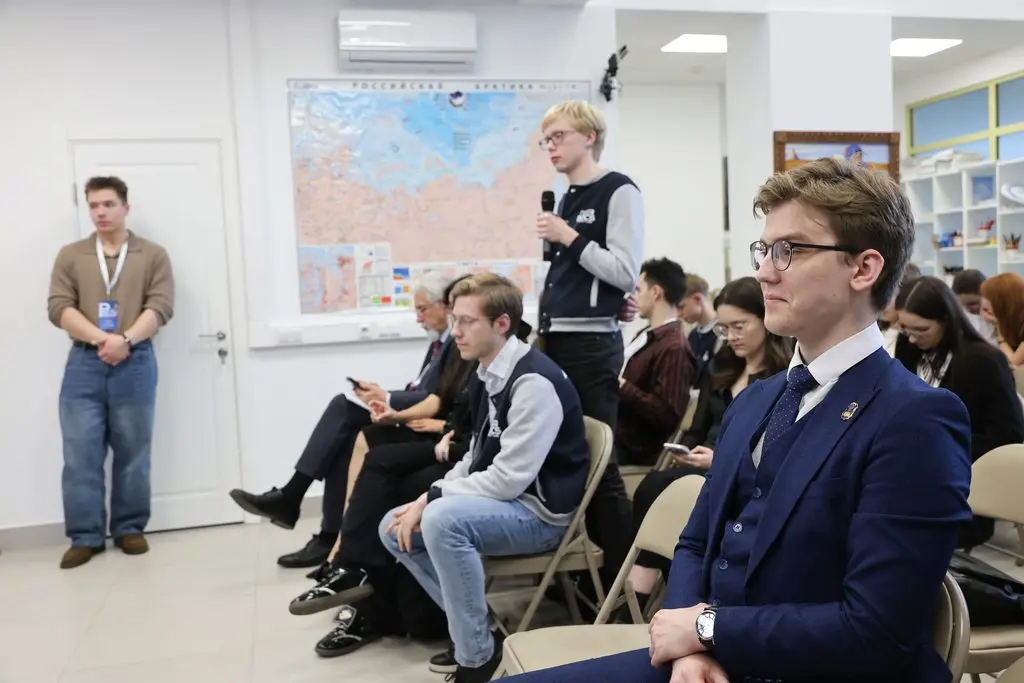
The international Arctic youth project laboratory BRICS Project Lab Arctic 3.0 is being held in Moscow from October 26 to 30, 2026. Organizers: the Scientific Student Society of MGIMO of the Ministry of Foreign Affairs of Russia and the PORA Expert Center. 480 applications were received for participation in the laboratory, and 159 candidates passed interviews. Students and young researchers from Russia, India, Kenya, and other countries are working in seven project areas on Arctic development tasks. Industry partners: Gazprom, Gazprom VNIIGAZ, FESCO, Arktikugol, and V ALTER.
Оthers Our news

PORA Sums Up Results of Russian Delegation’s Business Visit to China
Scientific and technical cooperation with Chinese partners is planned to be developed, including in the construction of TTC infrastructure with the implementation of solutions to reduce the carbon footprint and develop the «blue» economy Russian and Chinese specialists assessed the potential for developing and applying climate solutions in the territory of the Russian Arctic Zone...
read more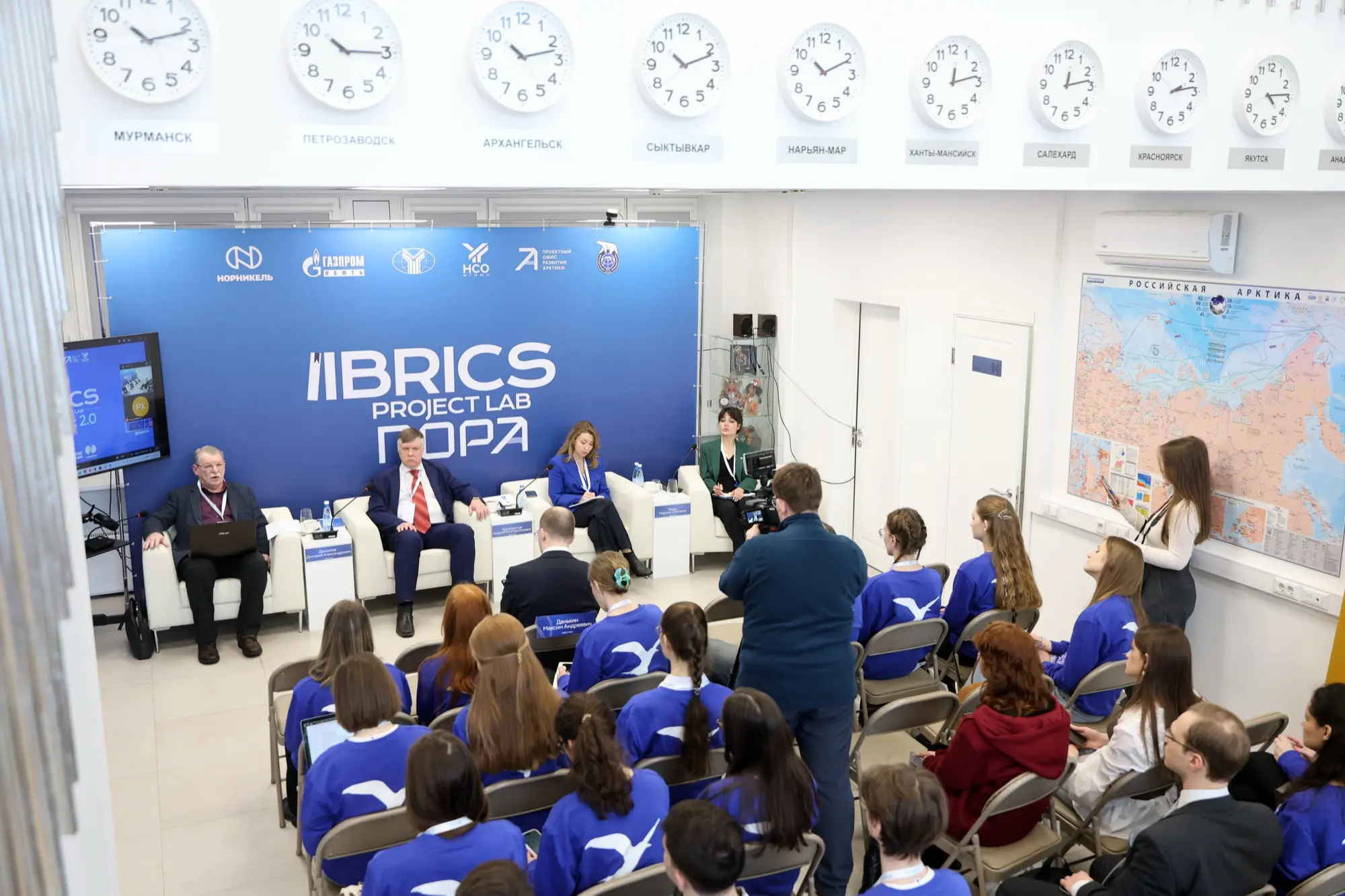
Experts Discuss Transformation of the Arctic Agenda in Russia-NATO Relations
February 27, 2026 Participants of a strategic session discussed current state and challenges of international cooperation in a changing geopolitical environment, as well as issues of security, economic, and regulatory competition in the Arctic region. The session took place on February 25, 2026, at the expert center PORА (Project Office for Arctic Development) as part...
read more