
PORA to Support National Project «Environmental Well-being»
Initiatives by the Project Office for Arctic Development (PORA) and the environmental movement «Friends of the Environment» (DOM) have become part of the national-level environmental agenda
On May 19, 2026, Russian Minister of Natural Resources and Ecology Alexander Kozlov outlined the key directions of Russia’s environmental policy through 2030 during parliamentary hearings on the implementation of the national project «Environmental Well-being.» According to the minister, total funding for environmental programs amounts to approximately 1.2 trillion rubles. The main goal of the national project is to improve the environmental situation in the country, including waste management, air and water pollution, and the elimination of accumulated environmental damage.
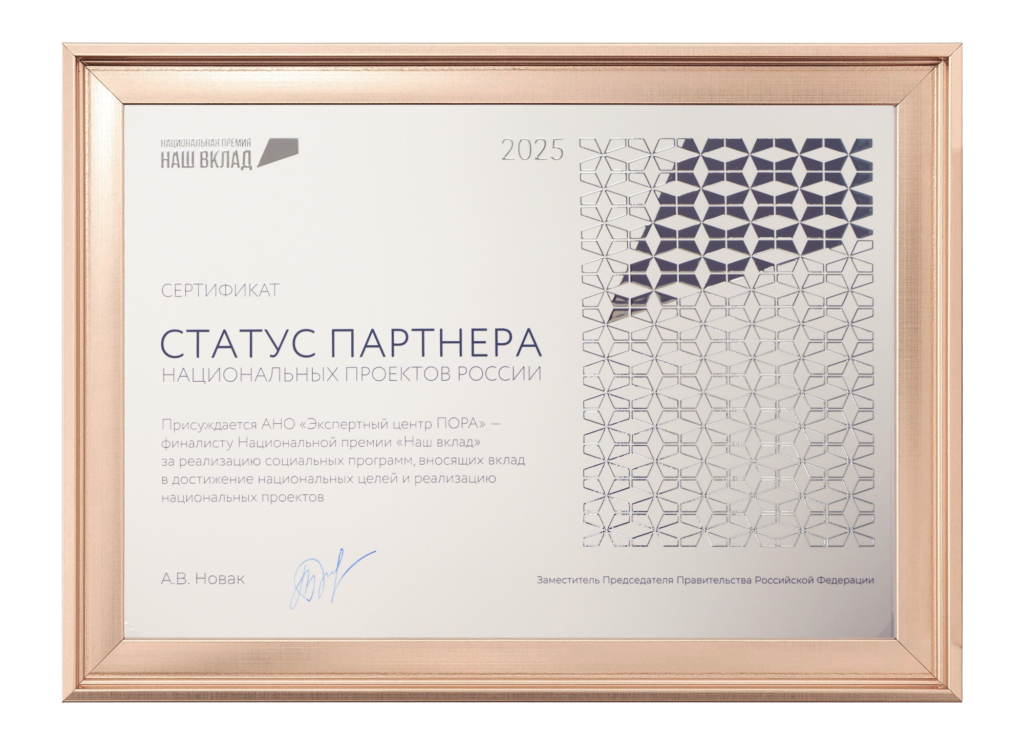
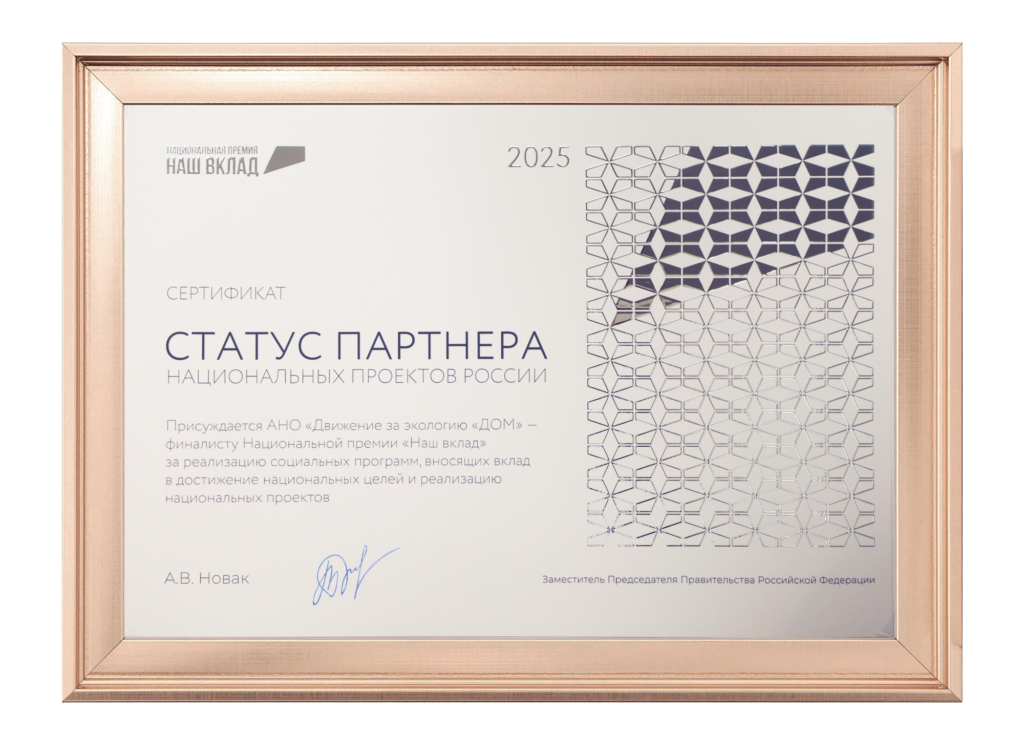
The Project Office for Arctic Development (PORA) and the environmental movement «Friends of the Environment» (DOM), as partners of Russia’s national projects, will support the implementation of state-level objectives. Both organizations have already become laureates of the «Our Contribution» National Award, which recognizes business and non-profit sector participation in achieving national project goals.
PORA was recognized for its «Arctic Volunteer» project, aimed at developing a network of public environmental inspectors and engaging residents of northern regions in environmental protection activities.
DOM received awards for its «White Bear» and «Plastic into Action» projects, focused on environmental education, fostering a culture of responsible consumption, and developing separate waste collection practices.
«Environmental initiatives are particularly important for the Arctic. This is a region with unique and very fragile nature, where the consequences of accumulated environmental damage are felt especially acutely. Therefore, projects related to environmental education, public oversight, community engagement, and fostering responsible attitudes toward the environment are a crucial part of the sustainable development of northern territories,» said Maxim Dankin, CEO of PORA.
«Environmental Well-being»: More About the National Project
The national project «Environmental Well-being» includes over 805 billion rubles in federal funding, with an additional 340 billion rubles to be provided to regions through subsidies and other support measures. In 2025, 84 Russian regions received 20.7 billion rubles under federal projects such as «General Cleanup,» «Circular Economy,» «Clean Air,» «Water of Russia,» and «Forest Conservation.»
Alexander Kozlov emphasized that allocated funds should serve as tools for solving specific environmental challenges, and regions must take a responsible approach to both document preparation and practical project implementation, as well as confirming achieved results.
Waste management reform remains a priority of environmental policy. Currently, 58.3% of municipal solid waste is sorted, but this figure is expected to reach 100% by 2030. At the same time, authorities aim to reduce landfill disposal from 82% to 50%.
To achieve these goals, regions continue to build processing facilities and modernize infrastructure. According to the minister, the shortage of waste collection containers will be fully eliminated by the end of 2028, and the lack of container sites will be resolved by 2029.
Federation Council Speaker Valentina Matvienko, speaking at the hearings, also stressed the need to develop waste sorting and recycling systems and to make greater use of secondary resources. She instructed to accelerate work on a draft law regulating the creation and maintenance of container sites.
Оthers Our news
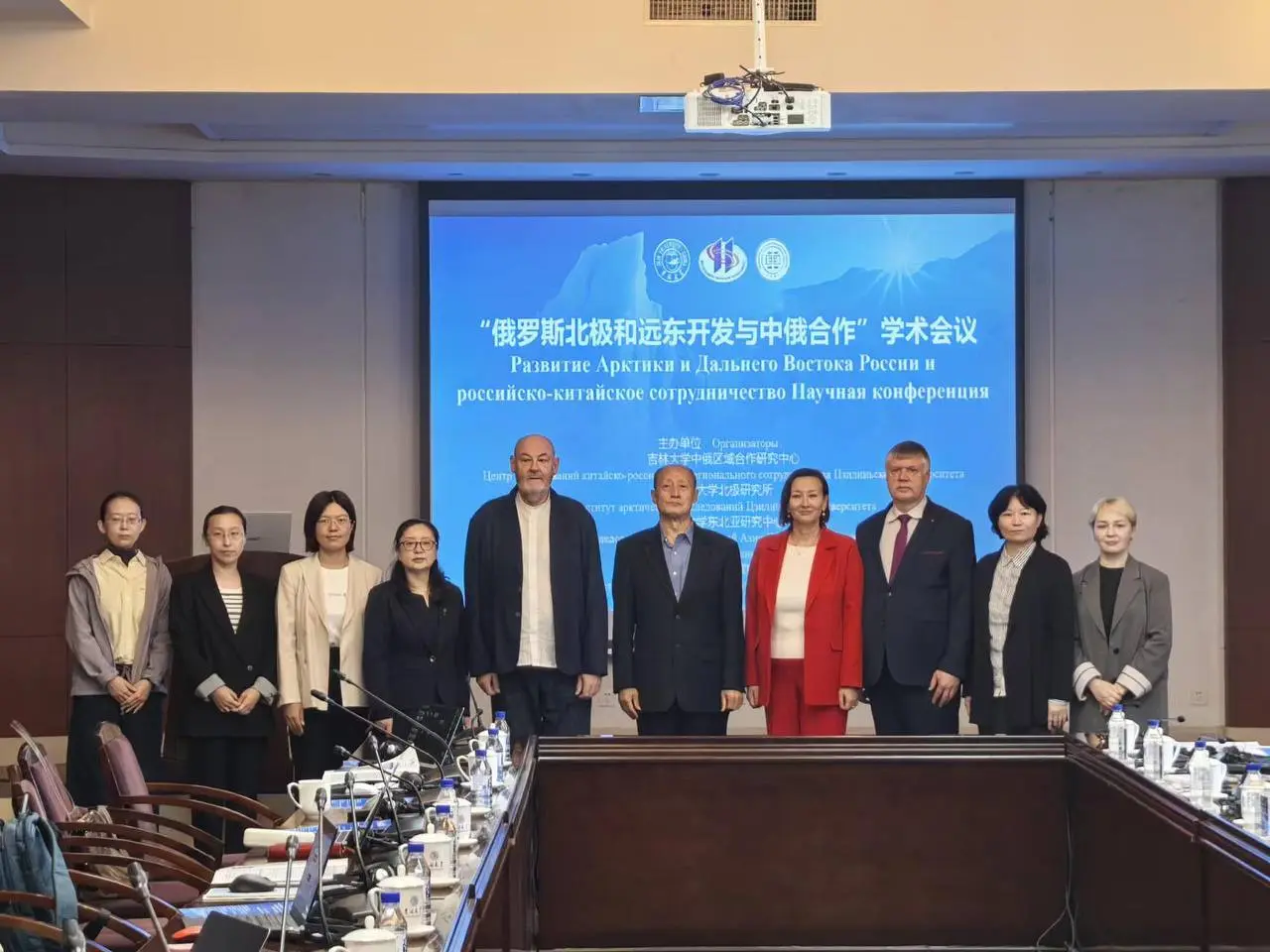
Editor-in-Chief of the Journal «Arctic 2035» Speaks at Russian-Chinese Conference on Arctic and Far East Development
Maria Lagutina presented a report on bilateral research cooperation in the polar region and showcased the latest issue of the scientific journal published by the PORА Expert Center Maria Lagutina, Editor-in-Chief of the PORА scientific journal Arctic 2035 and Professor at the Department of World Politics of St. Petersburg State University, spoke at the scientific...
read more
Russian-Indian Session to Be Held with PORА Support at Arctic-Regions Forum
The event is part of the program of the IV Forum «Arctic – Regions» in Arkhangelsk. The Project Office for Arctic Development (PORA) will act as its partner The Project Office for Arctic Development (PORA) will act as a partner in the expert-analytical session «Arkhangelsk Region in the New Geo-Economy of Eurasia: Opportunities for Expanding...
read more