
The Arctic could become one of the key areas of Russia–India partnership for decades to come
At the Arctic – Regions Forum in Arkhangelsk, experts from Russia and India discussed prospects for cooperation in energy, maritime logistics, port infrastructure, industry, and low-carbon technologies
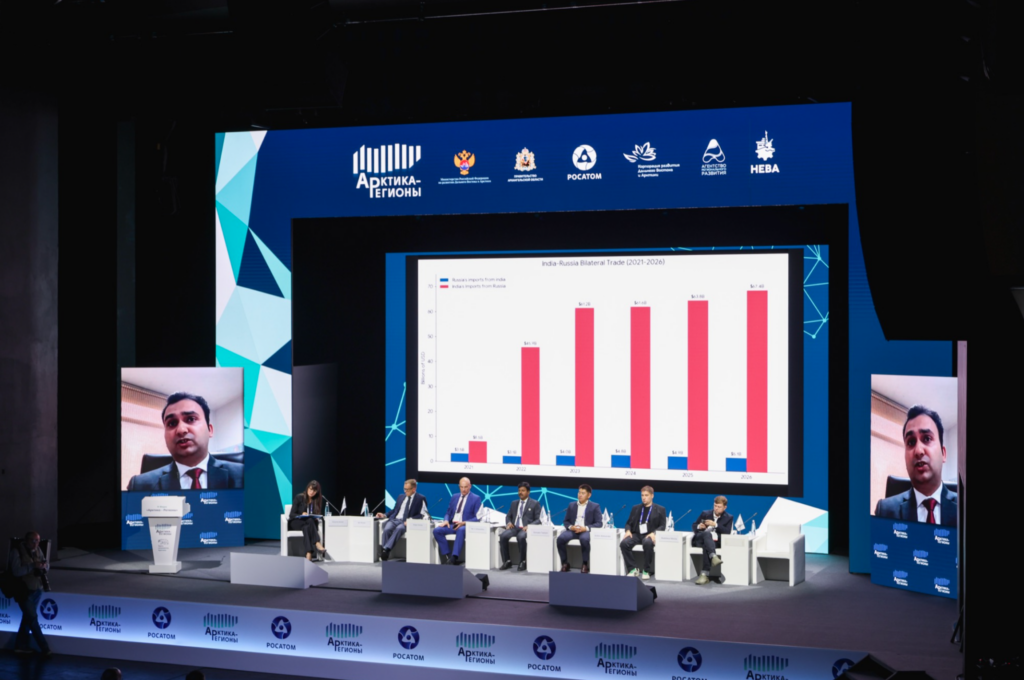
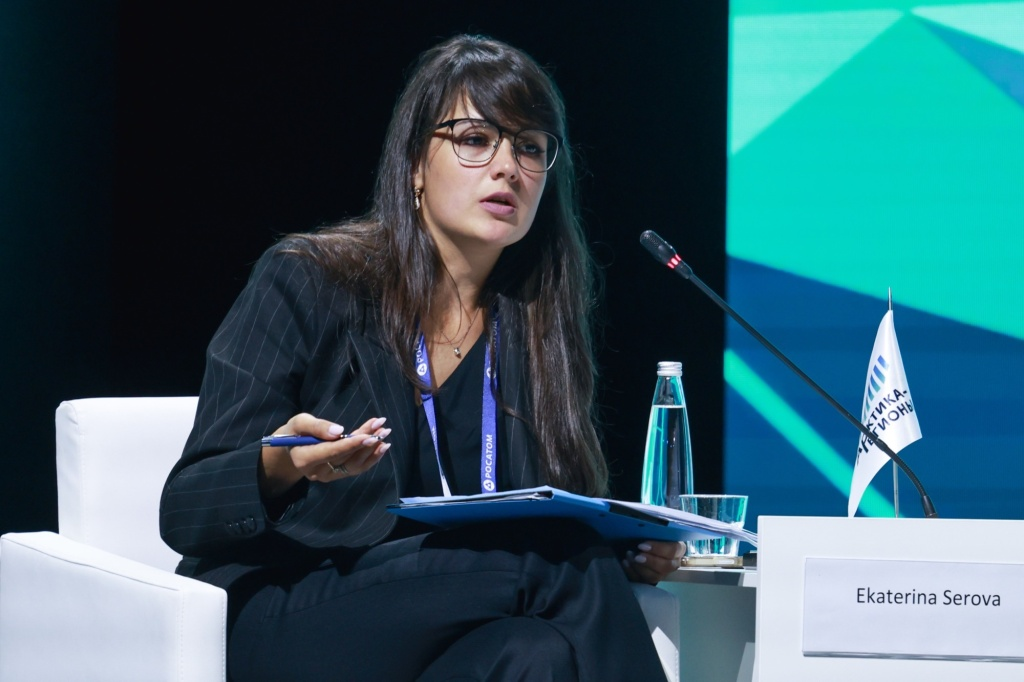
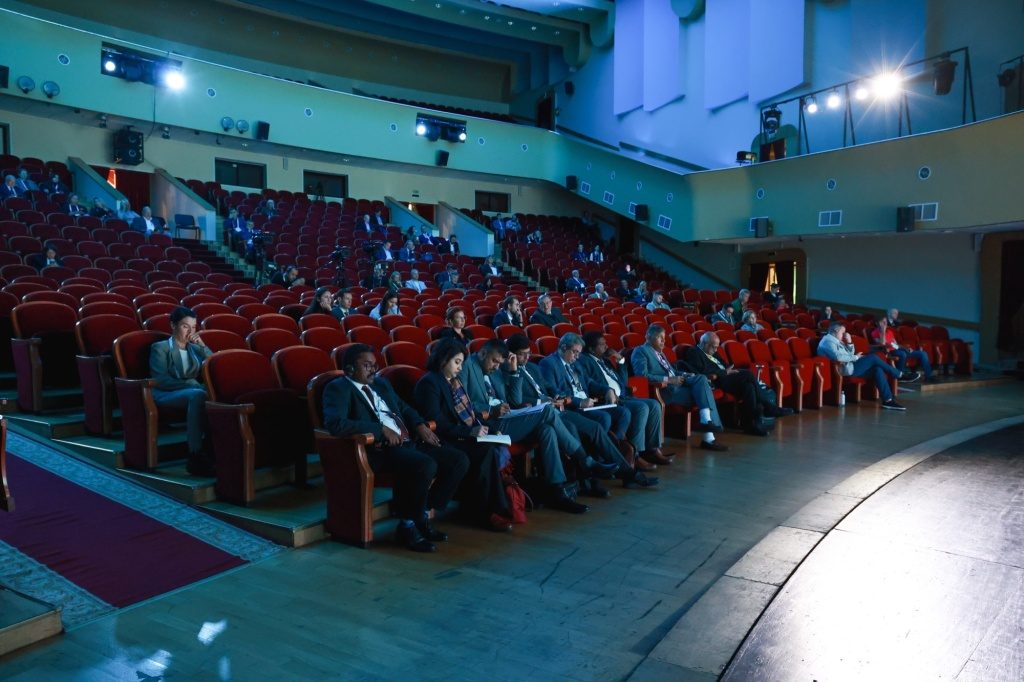
The Arctic could become one of the most strategically significant areas of Russia–India partnership over the next 10–20 years. This was the conclusion reached by participants in the Russian–Indian international session held at the IV Arctic – Regions Forum in Arkhangelsk on August 14, 2026. The session was moderated by Ekaterina Serova, Director of the International Department at the PORA Expert Center.
Energy remains the «backbone» of bilateral cooperation, but experts noted that significant potential also exists in transport logistics, port infrastructure, industry, natural resource development, and low-carbon technologies.
«Today, energy remains the backbone of Russia–India cooperation, but the potential of our relations is much broader. The Arctic co
uld become one of the most strategically significant areas of Russian–Indian partnership over the next 10–20 years. There are opportunities here for joint projects in logistics, port infrastructure, industry, and natural resource development. It is especially important that both sides are interested not only in growing trade turnover but also in expanding the range of traded goods and finding new areas of interaction,» emphasized Ekaterina Serova.
Energy security was one of the central topics of the discussion. India ranks third in the world in oil consumption and remains one of the largest importers of natural gas. In this context, the Russian Arctic is of interest as a long-term source of stable hydrocarbon supplies and as a territory for Indian business participation in major infrastructure projects. At the same time, participants noted the existing imbalance in bilateral trade, which leans heavily toward Russian hydrocarbon raw material exports. The Indian side is interested in developing non-commodity trade.
Considerable attention was paid to maritime logistics and the development of the Transarctic Transport Corridor. Participants noted the objective constraints of Arctic shipping: difficult ice conditions, seasonal navigation, and depth limitations. These factors must be taken into account when developing regular container shipping between Asian countries, Russia, and Europe. At the same time, expanding container shipping serves the interests of both Russia and India. Representatives of the Indian side spoke about the capabilities of the country’s port system and the interest of Indian ports in entering the Russian market.
A separate area of cooperation could be the introduction of modern energy and low-carbon solutions in maritime logistics and port infrastructure. Indian experts presented the technologies used in their country and expressed readiness to discuss their application in joint projects. For the Russian Arctic, LNG is of particular importance among alternatives to traditional marine fuel.
Participants also emphasized the role of the Arkhangelsk region and the Arkhangelsk Commercial Sea Port in the development of Russian–Indian economic ties. The region can serve as one of the linking points between the North–South international transport corridor and Arctic routes. The geographical location and existing port infrastructure make it possible to consider Arkhangelsk as one of the exit points for Russian cargo to South Asian markets and, at the same time, as a gateway for Indian companies into the Russian Arctic.
At the same time, the potential for cooperation is much broader than the transport sector. Promising areas identified included the timber industry and fisheries complexes, mineral resource development, high-value-added production, and the introduction of modern industrial technologies.
The Indian side also presented a project for a large transshipment terminal in Galatea Bay on Great Nicobar Island, located near the western approaches to the Strait of Malacca. According to participants, the development of such infrastructure could create additional opportunities for establishing routes between India, the Russian Far East, and the Arctic.
The discussion was attended by Igor Muraev, Deputy Chairman of the Government of the Arkhangelsk Region; S. Vishwanathan, Deputy Chairman of the Administration of one of India’s ports; Sergey Chemko, Head of the Arctic Department Project at Rosatom State Corporation; Admiral Pradeep Chauhan, Director General of the National Maritime Foundation (New Delhi); Dr. Bipandeep Sharma, Research Fellow at the Manohar Parrikar Institute for Defence Studies and Analyses (New Delhi); Dr. Sulagna Chattopadhyay, President of a think tank specializing in geopolitics and science in the Arctic and Antarctic; the Director General of the Arkhangelsk Commercial Sea Port; Alexander Anikin, Chairman of the Commission on the Insurance Market and Investment Insurance at the Chamber of Commerce and Industry; Nikolay Shablikov, Director General of Nordik Engineering JSC.
Оthers Our news
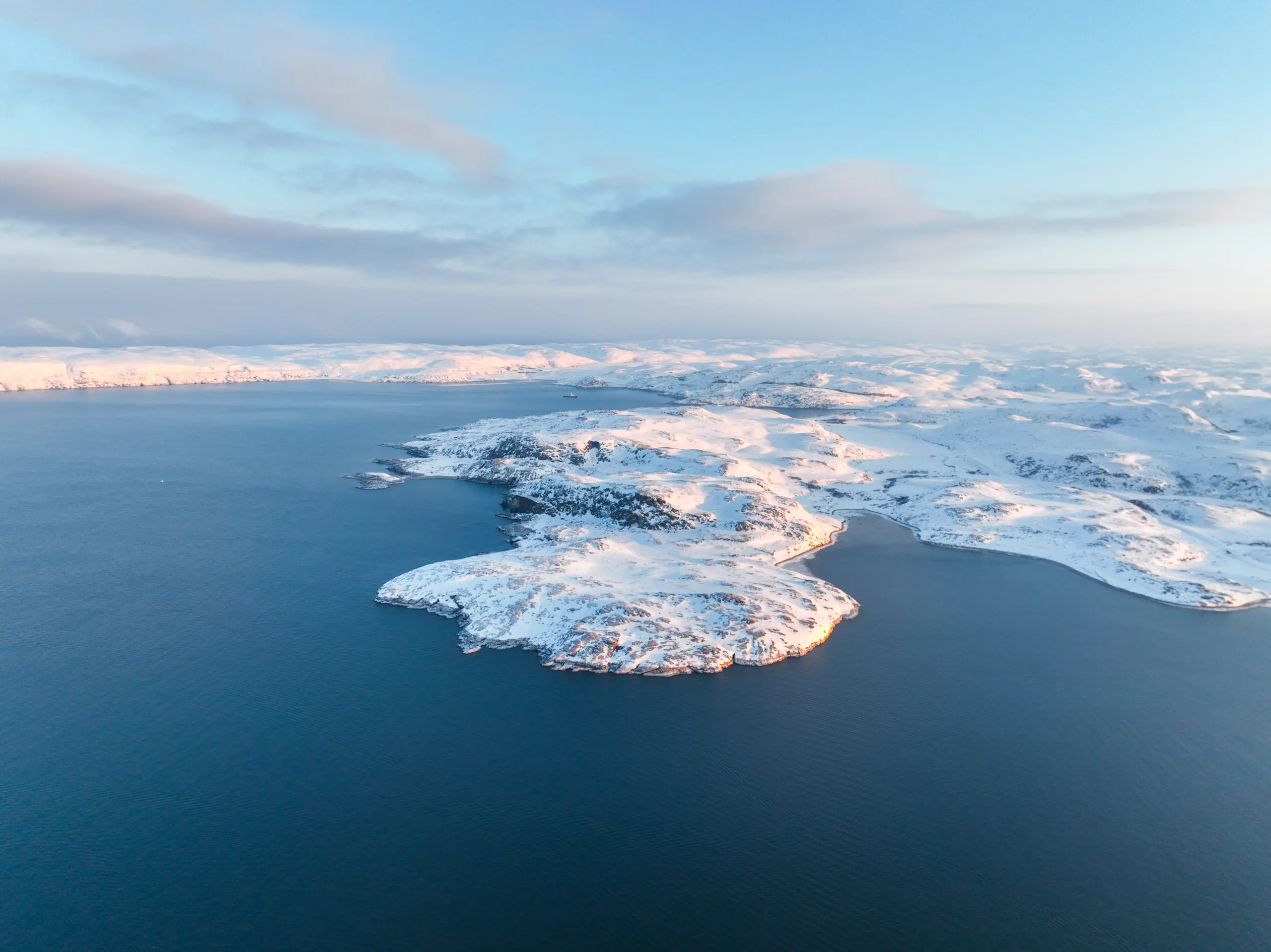
Gazprom Expands Its Arctic Potential: Record Gas Reserve Growth Driven by Arctic Fields
In 2025, Gazprom continued its systematic strengthening of its resource base, achieving its most significant results on shelf fields in the Arctic. This was reported by Chairman of the Management Committee Alexey Miller at the company’s Annual General Meeting of Shareholders. In 2025, the Gazprom Group once again achieved a gas reserve replacement ratio above...
read more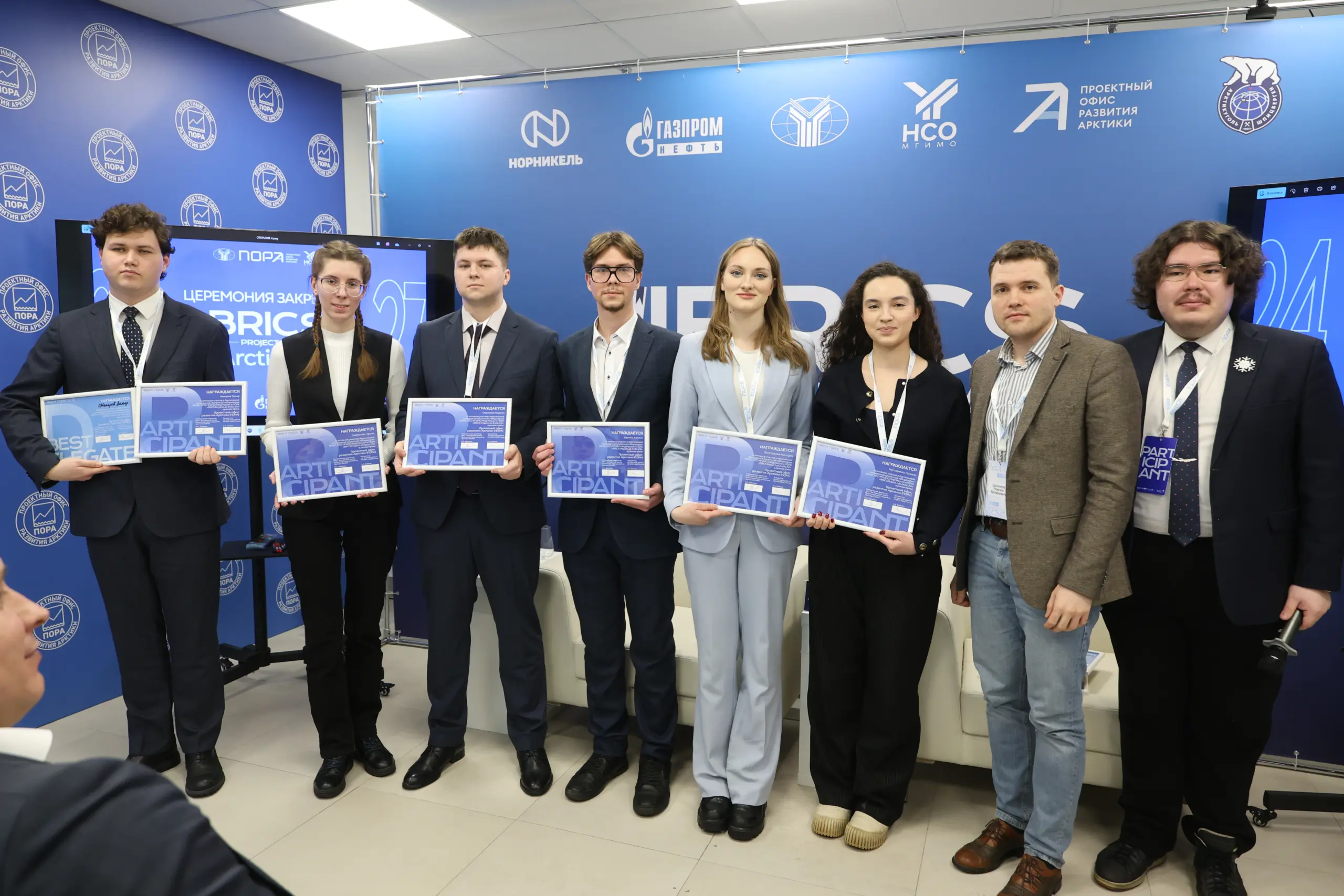
PORА Hosted BRICS Project Lab Arctic 2.0
The concluding session of the BRICS Project Lab Arctic 2.0, an international initiative, was held at PORA Expert Center in Moscow. Over four days, participants worked on applied cases from industrial partners, discussed issues of sustainable development in the Arctic, economics, and international cooperation, attended lectures by renowned experts, and at the end of their...
read more