
PORА Hosted BRICS Project Lab Arctic 2.0
The concluding session of the BRICS Project Lab Arctic 2.0, an international initiative, was held at PORA Expert Center in Moscow.
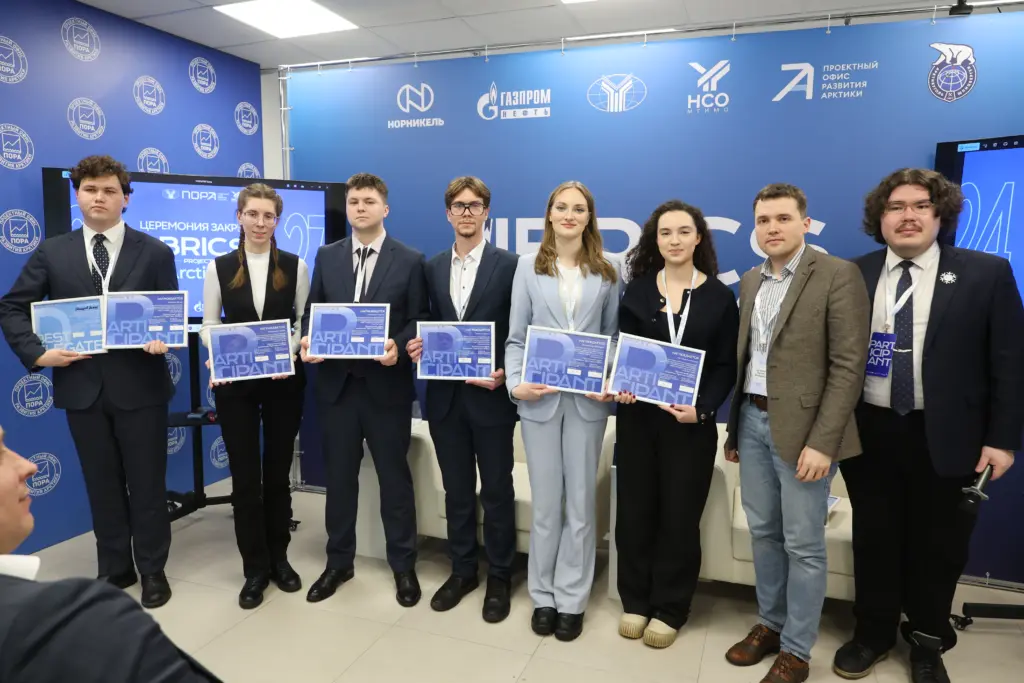
Over four days, participants worked on applied cases from industrial partners, discussed issues of sustainable development in the Arctic, economics, and international cooperation, attended lectures by renowned experts, and at the end of their work, presented their research findings to an expert jury.
The BRICS Project Lab educational program featured a distinguished panel of experts in Arctic policy and international relations.
Among the presenters were Maksim Dankin, General Director of PORA; Marat Gabbasov, Deputy Director at the Ministry for the Development of the Russian Far East and Arctic; Pavel Devyatkin, Senior Research Fellow at the Arctic Institute (USA); Dmitry Danilov, Head of the Department for European Security at the Institute of Europe, Russian Academy of Sciences; Andrey Krivorotov, Head of the Department of Innovation Management at MGIMO University and Senior Research Fellow at the Institute of China and Contemporary Asia, RAS; Marina Rekets, Vice-Rector for International Affairs at RUDN University; and Mikhail Grigoryev, Director of GECON LLC and a member of the Scientific Council for Arctic and Antarctic Studies at the Russian Academy of Sciences.
The speakers addressed critical topics concerning the development and sustainable practices in the Arctic region. Discussions encompassed prospects for international collaboration and the roles played by governmental bodies and private enterprise in realizing infrastructure and investment initiatives within this macro-region.
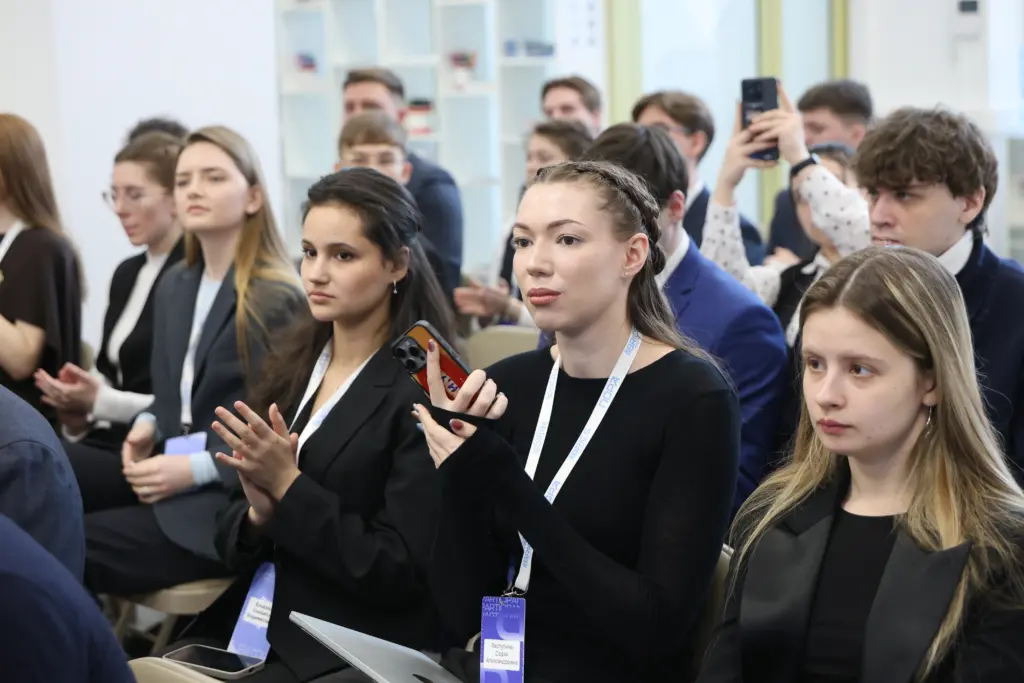
Following the project defenses, winners were determined, and the best initiatives received recommendations for further development and implementation.
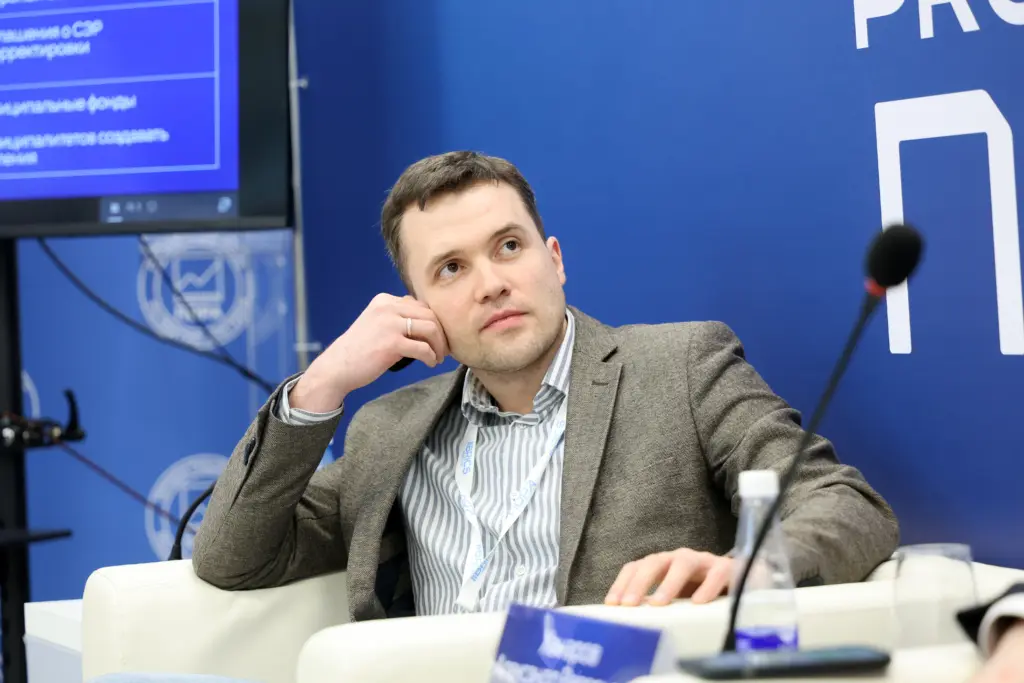
The team that worked on the case from PORA proposed using Investment Protection and Promotion Agreements (IPPAs) as a basic tool for attracting investment to Arctic municipalities dependent on transfers (20-63% of revenues). An IPPA is a civil law contract between the government and an investor: benefits are provided in exchange for specific investment commitments. The key advantage is a stabilization clause lasting up to 20 years: conditions and preferences are fixed. According to the BRICS Lab participants, this reduces risks, eliminates «parasitic» projects, and replaces fragmented benefits with a transparent, protected mechanism.
«Municipalities are increasingly becoming the ultimate operators of many projects on their territory. At the same time, an obvious gap arises between the scope of their assigned powers and the resources they have. This issue needs to be systematically addressed. By analyzing the proposed case, the participants, in my opinion, solved two problems at once. First, they proposed a mechanism to expand the capabilities of municipalities to attract financing to their territory. Second, they simultaneously tried to show that the IPPA can serve as a foundation for forming and understanding a unified preferential regime,» said Maksim Tsygankov, the PORA track curator.
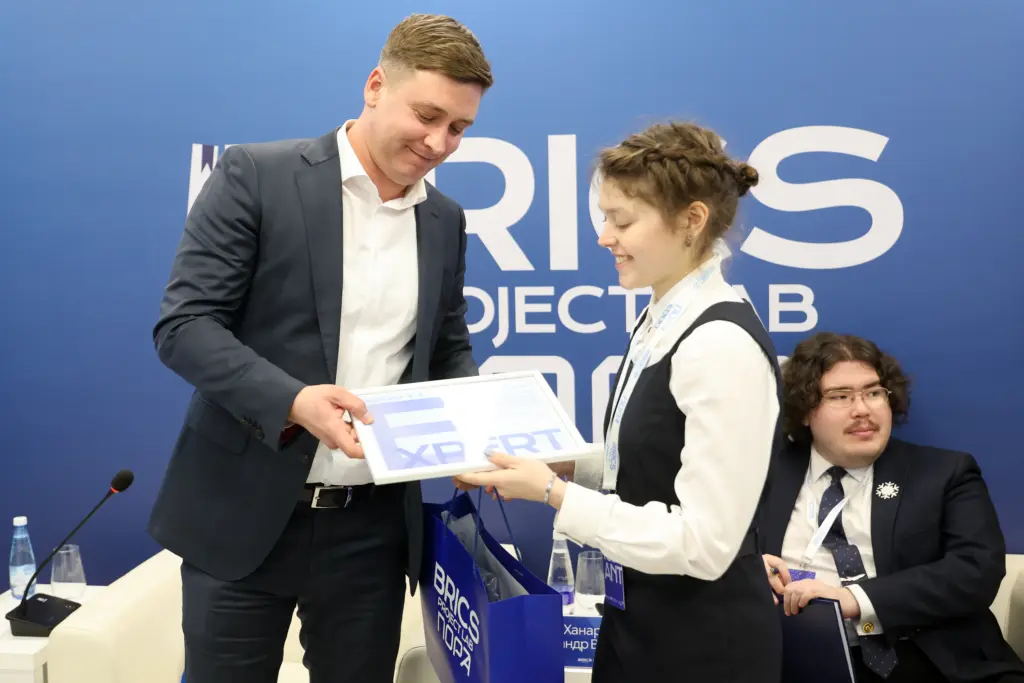
The essence of another case solution for the company Gazprom Neft lies in developing technological consortia in the Arctic with Russian strategic partners. Joint use of the infrastructure of other vertically integrated oil companies (VIOCs) in the region could reduce project costs and make facilities multifunctional, according to the lab participants. The project was evaluated by Konstantin Drandusov, Head of the Resource Base Development Management Department at Gazprom Neft, who identified areas for project refinement and noted that «the participants approached the task very professionally and analyzed a large amount of data, performing systematic and complex work.» «The solutions proposed by the students could form the basis for real business cases in the company’s exploration activities; we have already started working on some of them,» the expert added.
The case from Norilsk Nickel was dedicated to the development of Arctic tourism. «It’s gratifying that the participants delved deeply into the topic, asked many questions, and I hope they will continue to explore opportunities for tourism in the Arctic so that in the future they can implement a project that will become their calling card after graduating from university and benefit society,» commented Maksim Peshkov, Deputy Director of the Regional Programs Department at Norilsk Nickel, on the team’s work.
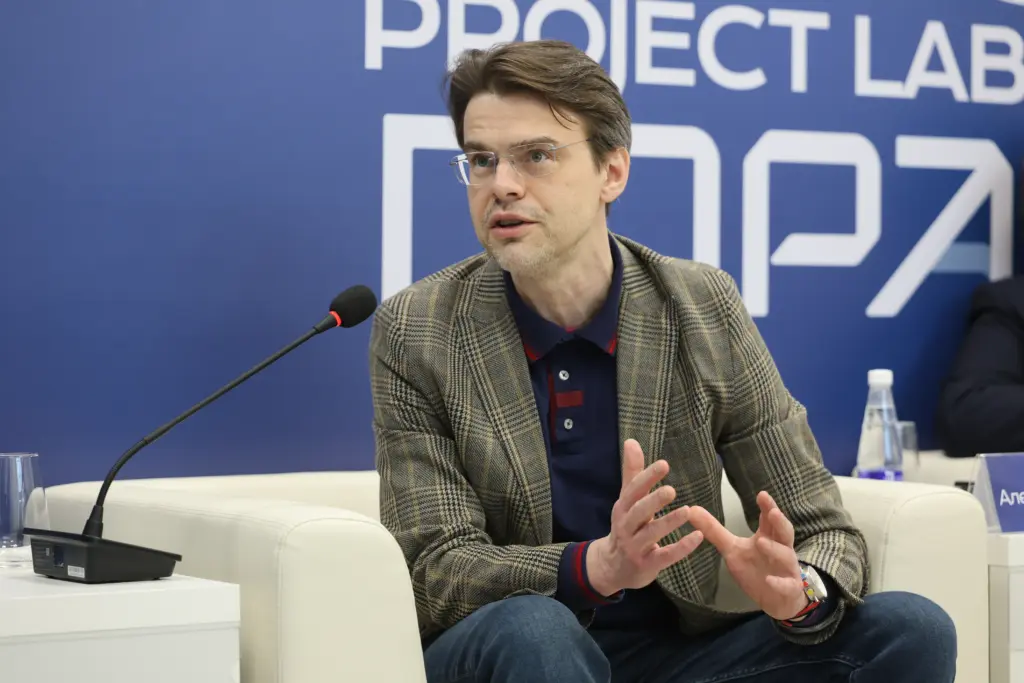
Yuri Sychev, Deputy General Director for Work with Scientific Organizations at the Federal State Unitary Enterprise «State Trust Arktikugol» (operator of Russian activities in Svalbard), noted that while working on the Arktikugol case, the lab participants anticipated the company’s initiatives to develop international cooperation currently underway in the archipelago. «It’s not without reason that we formulated this task. We really need sensible, capable young personnel,» he said.
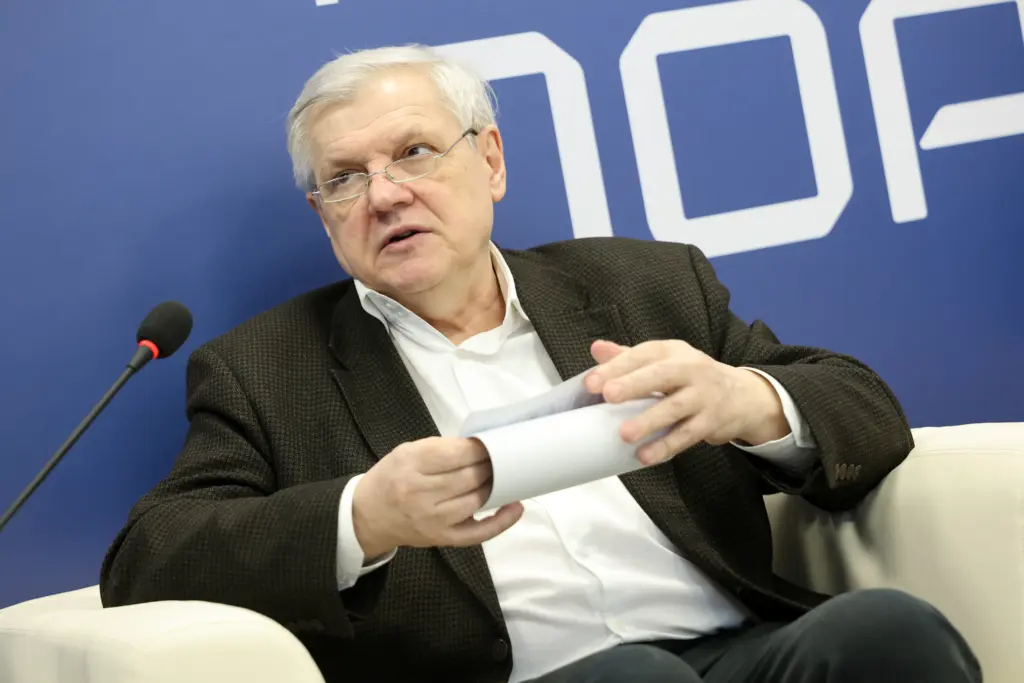
«We are truly a northern country. And as soon as we forget this and stop dealing with complex Arctic issues, our country stagnates. Only 2.4 million people live in the Russian Arctic, but it is there that the foundation of the future, the foundation of our country’s well-being, is created and formed, including thanks to the major companies operating there. The revenue from this activity constitutes a significant part of the Russian budget’s income. Do not forget that the Arctic is a territory not only of the past and present, but also of the future,» Maksim Dankin summarized.
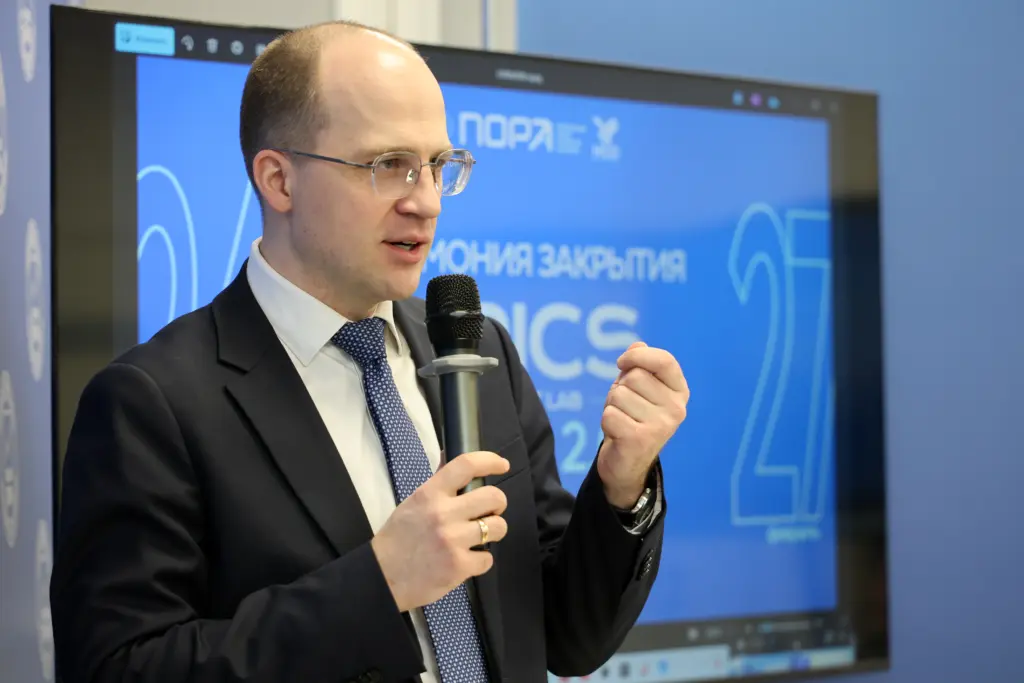
Further information about the event is available here:
International Project Laboratory BRICS Project Lab Arctic 2.0 Launches in Moscow
Оthers Our news

PORA to Participate in Implementing the Sustainability Concept for Indigenous Minorities
By order of the Government, the action plan for the first phase of implementation (2026–2028) of the new Sustainability Concept for Indigenous Minorities of the North, Siberia, and the Russian Far East through 2036 has been approved.
read more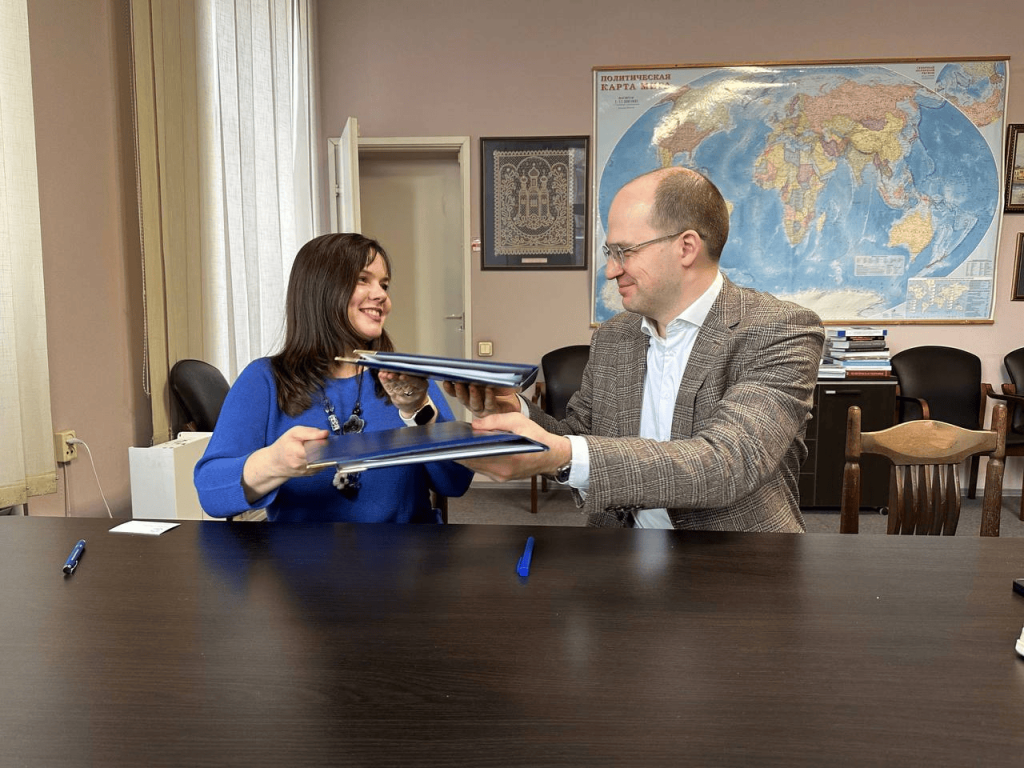
PORA and the Institute for Regional Economic Studies to Examine Arctic Economy
The Project Office for Arctic Development and the Institute for Regional Economic Studies of the Russian Academy of Sciences (IRES RAS) will undertake joint research across multiple areas, focusing on the socio-economic development of the Russian Arctic. This collaboration is formalized in a partnership agreement signed on 2 February 2026. February 3, 2025 The agreement...
read more