
Polar index
The Polar Index is a long-term analytical initiative jointly developed by PORA and the Faculty of Economics at Lomonosov Moscow State University. Its mission is to promote sustainable development in the Russian Arctic by integrating economic, social, and environmental dimensions on an equal footing.
The project produces two methodologically consistent, yet standalone, sustainability rankings:
Polar Index: Companies, which evaluates the sustainability performance of companies operating in the Russian Arctic
Polar Index: Regions, which assesses the sustainability of regions fully or partially located within the Russian Arctic Zone.
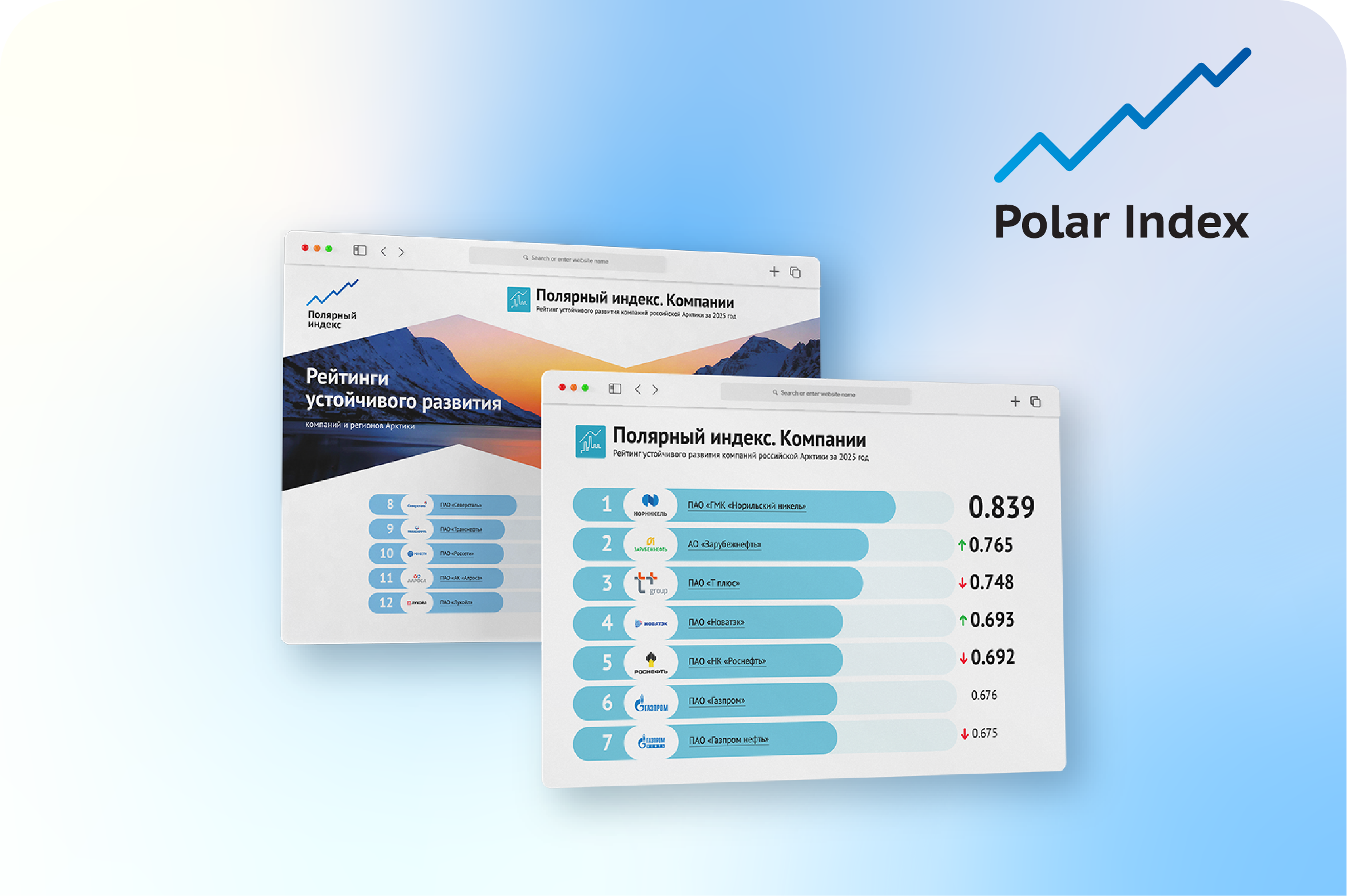
Describtion
Since 2018, the project has published eight editions of Polar Index: Companies and Polar Index: Regions. Its international extension includes three editions of the Polar Index of the Barents Region, covering regions and companies in Russia, Finland, Sweden, and Norway, published in both Russian and English until 2022.
Results
The project establishes an analytical framework for assessing the sustainability of businesses and territories in the Arctic, focusing not on competitive ranking but on identifying qualitative differences and development trajectories.
The rankings make it possible to identify groups of companies and regions ranging from those implementing mature and consistent sustainability policies to those still developing a systematic approach.
The accumulation of comparable data over time enables the monitoring of a transition from isolated initiatives to long-term strategies encompassing economic, social, and environmental dimensions of development.
View the Polar index web page
Оthers projects
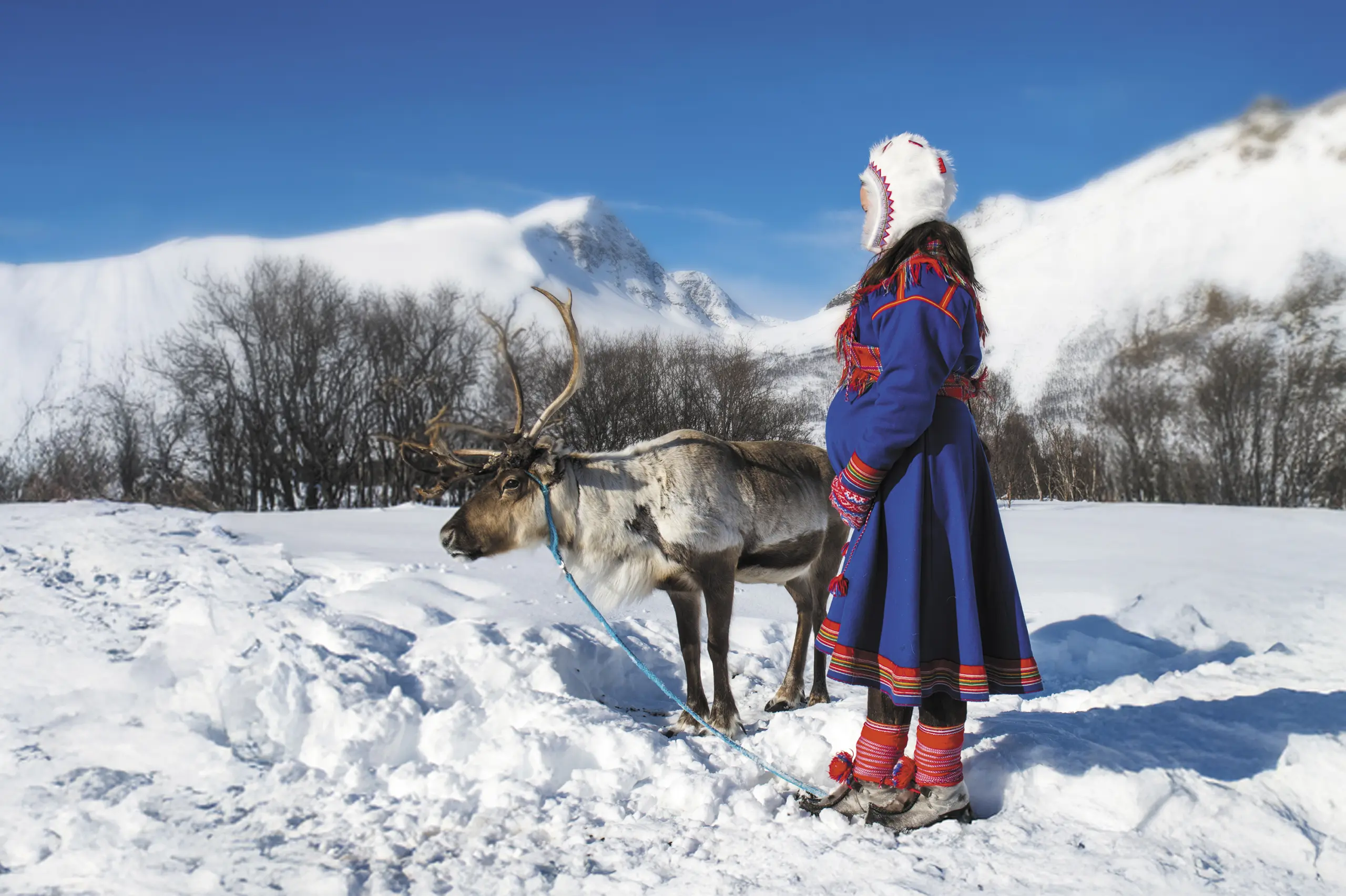
Ethnological Impact Assessment
The project combined field research, stakeholder consultations, and analysis of traditional land use and livelihood practices, with active participation from community representatives and subject-matter experts.
read more
Index of Sustainable Development and Quality of Life in Small Arctic Settlements
The Index offers an analytical foundation for identifying territorial disparities, risk areas, and growth points, and for informing the design of targeted support measures.
read more