
Pavel Sukhov on Trust in the Professional Expertise of Non-Profit Organisations
Non-profit organisations can provide a foundation for dialogue and help local communities, businesses and government jointly shape decisions that determine the future of their regions
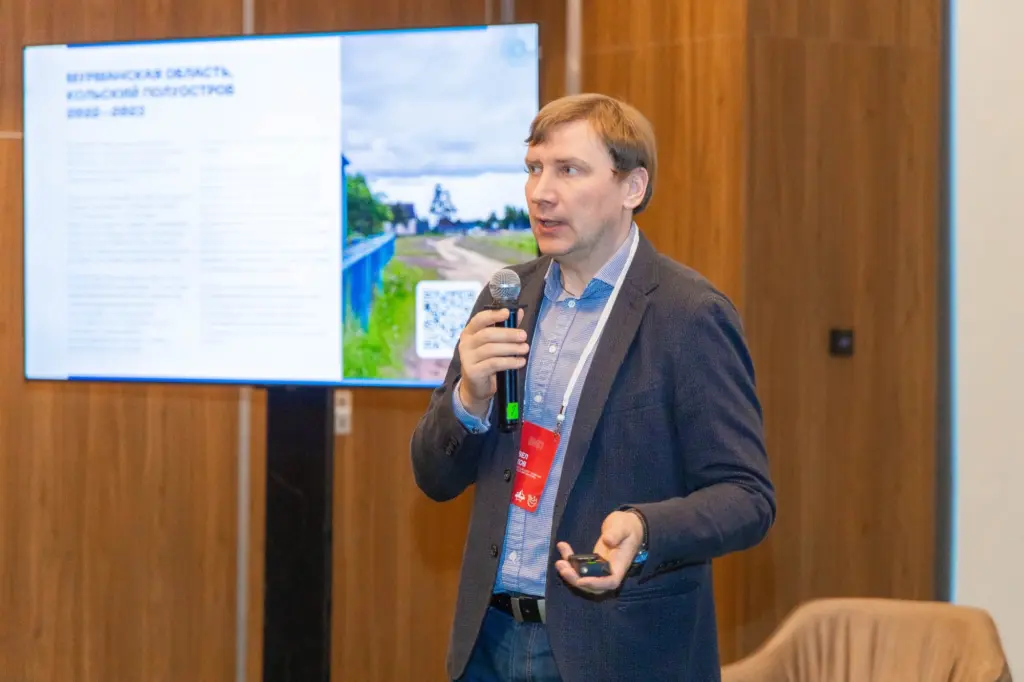
Pavel Sukhov, Deputy Director General for Information Policy at PORA, spoke about the role of non-profit organisations as strategic partners of government and business in sustainable regional development during the business programme of the “EcoLogic of Humanity” conference, held in Istra, near Moscow, on 8 October 2026. Emphasising the important role of non-profits in building trust between government, business and residents, he presented two PORA projects that illustrate complementary aspects of this work: assessing the potential consequences of industrial development for local communities and aligning long-term development priorities for a major city.
In 2023–2024, PORA coordinated an ethnological impact assessment for the proposed development of the Kolmozerskoye lithium deposit in the Lovozero District of the Murmansk Region. Experts examined the potential effects of future mining operations on the living environment, traditional livelihoods, culture and way of life of Indigenous peoples, primarily the Sámi, as well as Komi reindeer herders. PORA organised an interdisciplinary expert commission, field research and consultations with residents of Lovozero and Krasnoshchelye, reindeer-herding communities and an Indigenous peoples’ working group. An open online platform allowed residents to share information about the area and the project with experts.
“Broad participation by local communities strengthens public trust in the findings of an ethnological impact assessment. This is a crucial condition for obtaining Indigenous peoples’ free, prior and informed consent, or FPIC, to an industrial project on the lands where they live,” Sukhov stressed. This approach provides a sound foundation for identifying risks, preparing measures to minimise impacts, and developing compensation arrangements and social support measures, he noted.
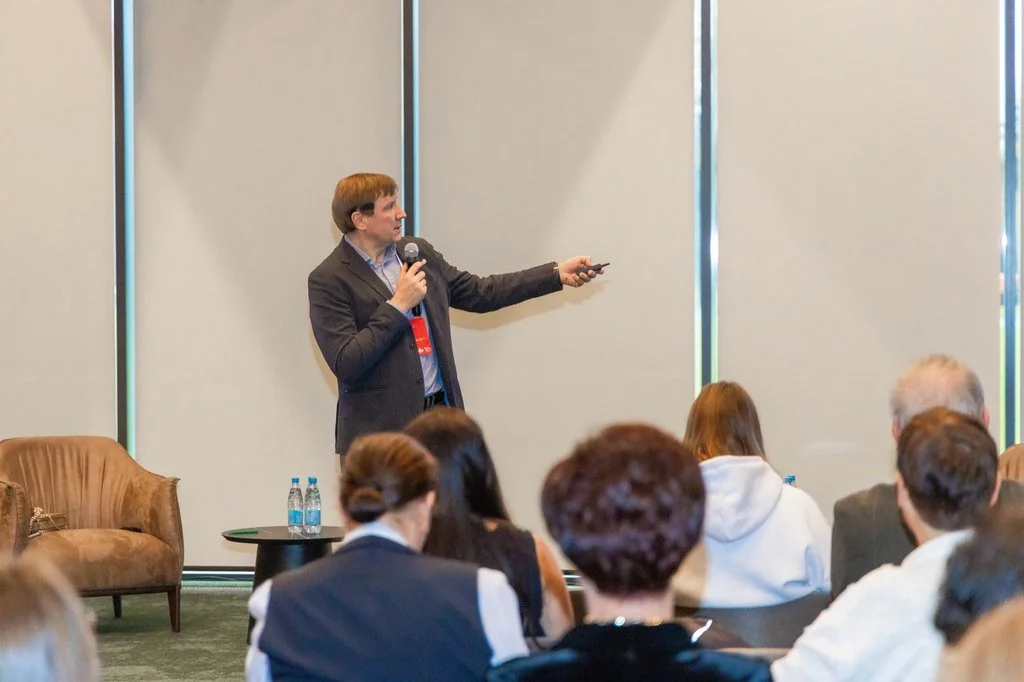
Another example is PORA’s contribution to the development of Norilsk’s Socio-Economic Development Strategy through 2035, which positions the city as a key development hub in the Eastern Arctic. In 2021–2023, the PORA Expert Centre facilitated cooperation between the city administration, businesses, experts and residents, organised public consultations, and operated a digital platform for collecting proposals. The strategy was approved in summer 2023. During its preparation, the non-profit helped bring municipal priorities, business capabilities and residents’ needs together in a single document informed by scientific expertise. The strategy linked urban renewal and improvements to the urban environment, environmental modernisation, transport accessibility and social infrastructure development with Norilsk’s long-term role as a key city in the Eastern Arctic.
Sukhov recalled that this approach–designating certain settlements as development hubs for the Russian Arctic and preparing strategic documents for them, including comprehensive long-term socio-economic development plans and master plans–was subsequently adopted at the federal level. Today, settlement development in Russia’s Arctic Zone is organised around these designated hubs: cities, towns and urban agglomerations that form the region’s settlement, infrastructure and economic framework.
Non-profit organisations can provide a professional foundation for dialogue and help stakeholders jointly shape decisions that determine the future of their regions, Sukhov concluded.
Оthers Our news
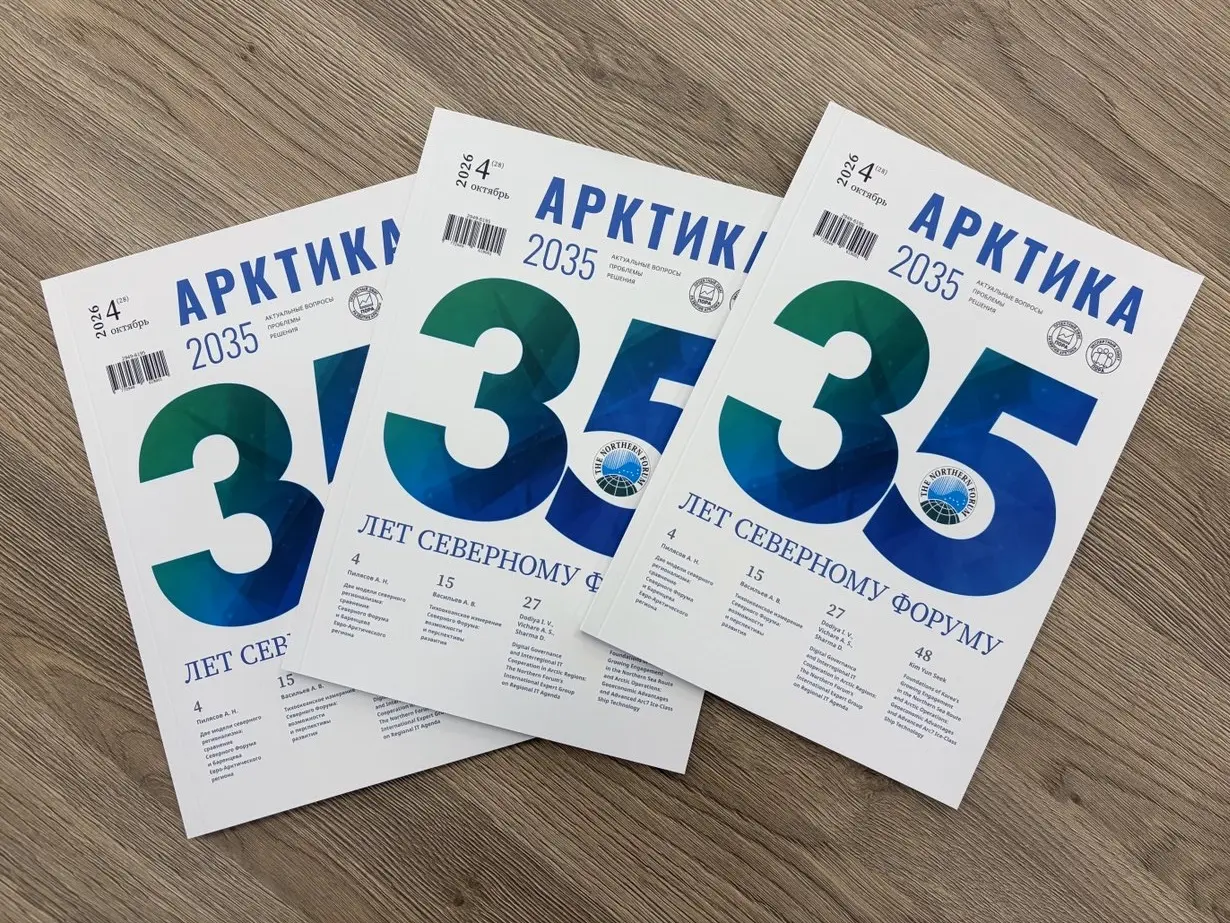
The Fourth Issue of Arctic 2035 for 2026 Marks the Northern Forum’s 35th Anniversary
This special issue brings together research on the Northern Forum’s history, interregional partnerships, and new avenues for international cooperation A special issue of the academic and practice-oriented journal *Arctic 2035: Current Issues, Challenges, Solutions* (No. 4 (28), 2026) has been published to mark the 35th anniversary of the Northern Forum, an international organization that promotes...
read more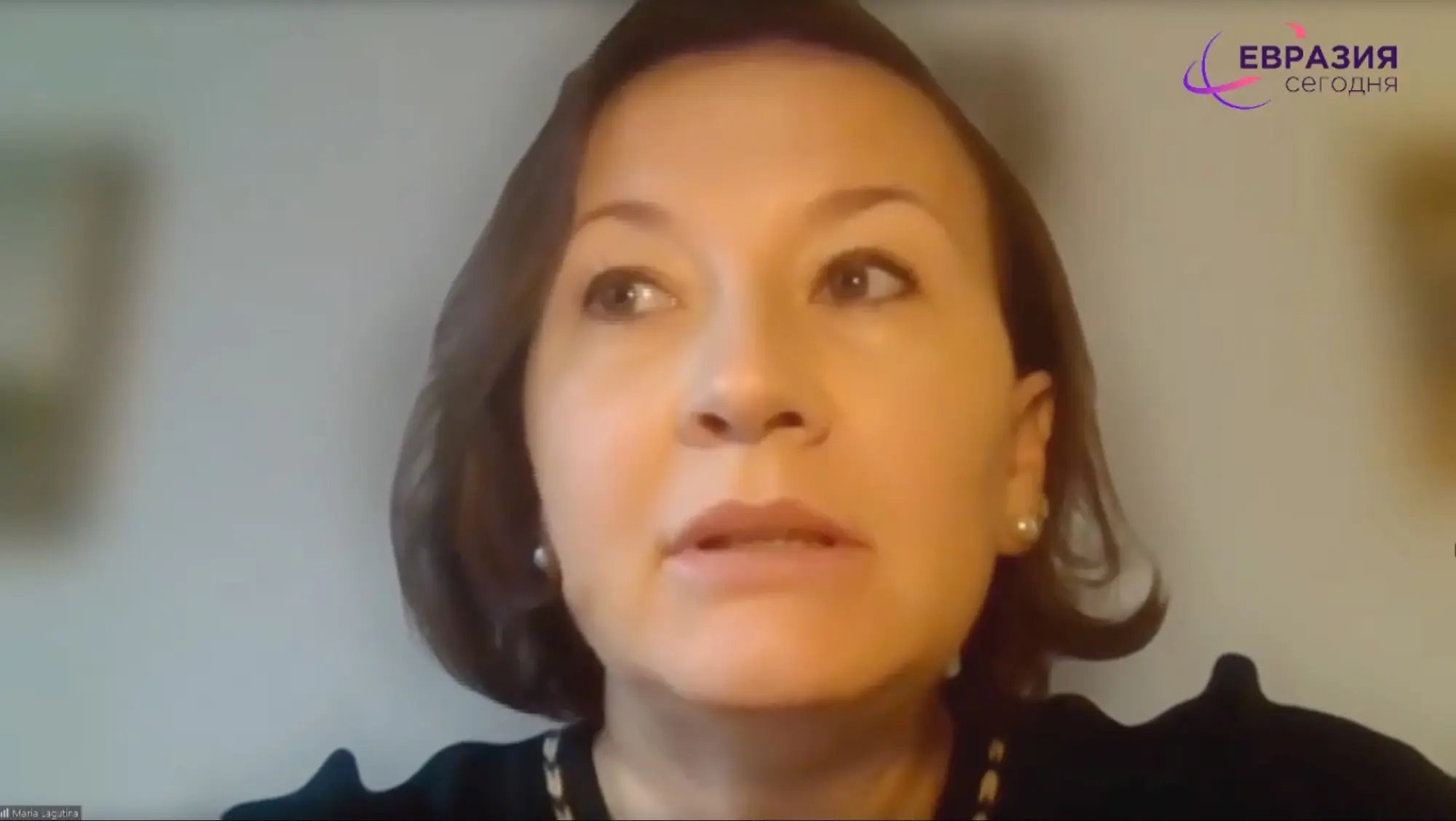
Maria Lagutina: The Arctic Has Become a Prestigious Arena of Global Influence for BRICS Countries
Non-Arctic members of the grouping are actively engaging with the Arctic agenda through climate and scientific cooperation, while collaboration is advancing through depoliticized research projects and working groups May 15, 2026 According to Maria Lagutina, the main challenge facing Arctic cooperation within BRICS stems from the differing «polar identities» of its member states. Russia is...
read more