
Irina Strelnikova: What Russia’s NSR and North–South Corridor Offer Asia-Pacific Countries
The NSR and the multimodal corridor serve different strategic purposes for China, Japan, South Korea and India, turning the Asia-Pacific region into a central hub of Eurasian trade
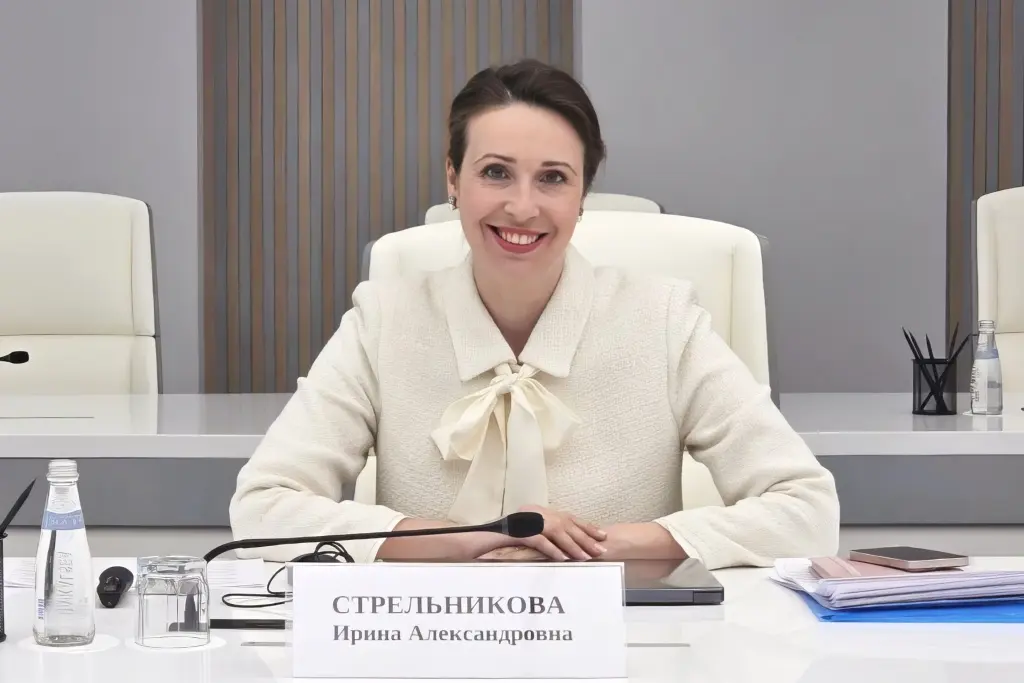
On 19 November 2026, speaking at the plenary session of the Asia-Pacific Economic Cooperation (APEC) summit in the Chinese city of Shenzhen, Russian President Vladimir Putin invited all economies of the region to make more active use of the opportunities offered by new logistics routes, referring to the Northern Sea Route (NSR) and the multimodal North–South corridor. According to him, strengthening the transport transit framework opens up enormous prospects for cooperation within the Asia-Pacific region (APR). These routes fully correspond to the profound changes in the global economy and the sustainable growth of the region’s export potential, notes Irina Strelnikova, an expert at PORА (the Project Office for the Development of the Arctic), Director of the Centre for Interdisciplinary Arctic Studies at HSE University, and Associate Professor at HSE University.
The transit framework is a system of reliable, safe and economically advantageous cargo transportation routes. For the APR countries, which are the main engine of the global economy, the development of such routes is becoming critically important for the following reasons.
Due to geopolitical turbulence and the congestion of traditional corridors, the availability of alternative routes is becoming extremely relevant. The bulk of trade between Asia and Europe passes through southern seas, via the Strait of Malacca and the Suez Canal, along routes that are overloaded and run through zones of geopolitical tension: the Strait of Hormuz or the coast of Yemen. The Northern Sea Route makes it possible to shorten the route from Asia to Europe by roughly 40% compared with the route through the Suez Canal, which saves travel time and fuel, reduces freight and logistics costs, and – most importantly – avoids dependence on possible blockages of the southern straits. The North–South corridor (which connects India and the Persian Gulf countries with Russia, Central Asia and Europe via the Caspian Sea and Iran) gives India direct access to the markets of Europe and Central Asia, bypassing the vulnerable Strait of Malacca.
The development of the transit framework through Russia opens up for the APR countries – primarily China, Japan and South Korea, which are the world’s largest importers of liquefied natural gas (LNG), oil, coal, metals and food – direct and shortest access to the richest fields of Yamal, Yakutia and the Arctic shelf. The NSR makes the export of Russian LNG and raw materials to Asia year-round and profitable. The use of Russia’s eastern railway network (the Baikal-Amur Mainline and the Trans-Siberian Railway) and the NSR helps guarantee more predictable delivery times.
For the APR countries, the availability of alternative Russian routes reduces dependence on a single dominant logistics structure controlled by a narrow circle of states. This strengthens their economic sovereignty and allows them to respond more flexibly to changes in global trade.
The shorter route using the NSR reduces ship fuel consumption and, consequently, lowers carbon dioxide emissions. Amid tightening environmental legislation and the introduction of cross-border carbon taxes (as in the EU), this becomes an additional competitive advantage for the APR countries.
The Northern Sea Route and the international North–South transport corridor serve different strategic purposes for the APR countries.
For China. The NSR is a way to shorten the delivery time of goods to Europe and to gain access to Arctic resources. For China, the North–South corridor is an additional route to Iran and India, while the eastern branch of the corridor (through Kazakhstan) is already actively used for transit to Europe within the framework of the Belt and Road Initiative.
For Japan and South Korea. The NSR means, above all, guaranteed supplies of Russian LNG and the opportunity to earn by possessing unique competencies in the construction of ice-class vessels and port infrastructure. The North–South corridor is less relevant for them.
For India. The NSR is mainly of scientific and long-term interest. The North–South corridor, by contrast, is a strategic priority. It cuts delivery times from the Indian port of Nhava Sheva to the Russian city of St Petersburg from 45 to 15–25 days and reduces logistics costs by almost 30–40% compared with the route through the Suez Canal.
These two routes do not so much compete as complement each other. The NSR forms the north–south axis of global trade (Asia–Europe), while the North–South corridor forms the west–east arc (India and the Middle East–Russia–Europe), drawing into logistics those APR countries that were previously cut off from direct overland routes to Eurasia.
Thus, for the APR countries, the Russian transit framework is not merely an alternative to existing routes, but a means of ensuring their own economic security, access to scarce resources and the creation of a sovereign and diversified logistics architecture that turns the APR from the periphery of Eurasian trade into its central hub, directly connected to Russia’s resource base and the markets of Europe. In this scheme, Russia hopes to establish itself as a logistics hub between Asia and Europe.
The Project Office for Arctic Development and the editorial board of GoArctic.ru do not necessarily share the opinions expressed by experts.
For media representatives: we welcome the republication of comments provided that an active link to the original source is given and the columnist’s status as an expert of the Project Office for Arctic Development is indicated.
Оthers Our comments
Maksim Dankin: Arctic cities are laboratories, not just places to live
Why are the North and the Arctic different worlds and concepts, and why is competition between cities more dangerous than their cooperation? Every city in the Far North is historically formed as a specialized testing ground for testing unique systems of extraction, energy, and monitoring – it is forced to be an innovative center, otherwise...
read more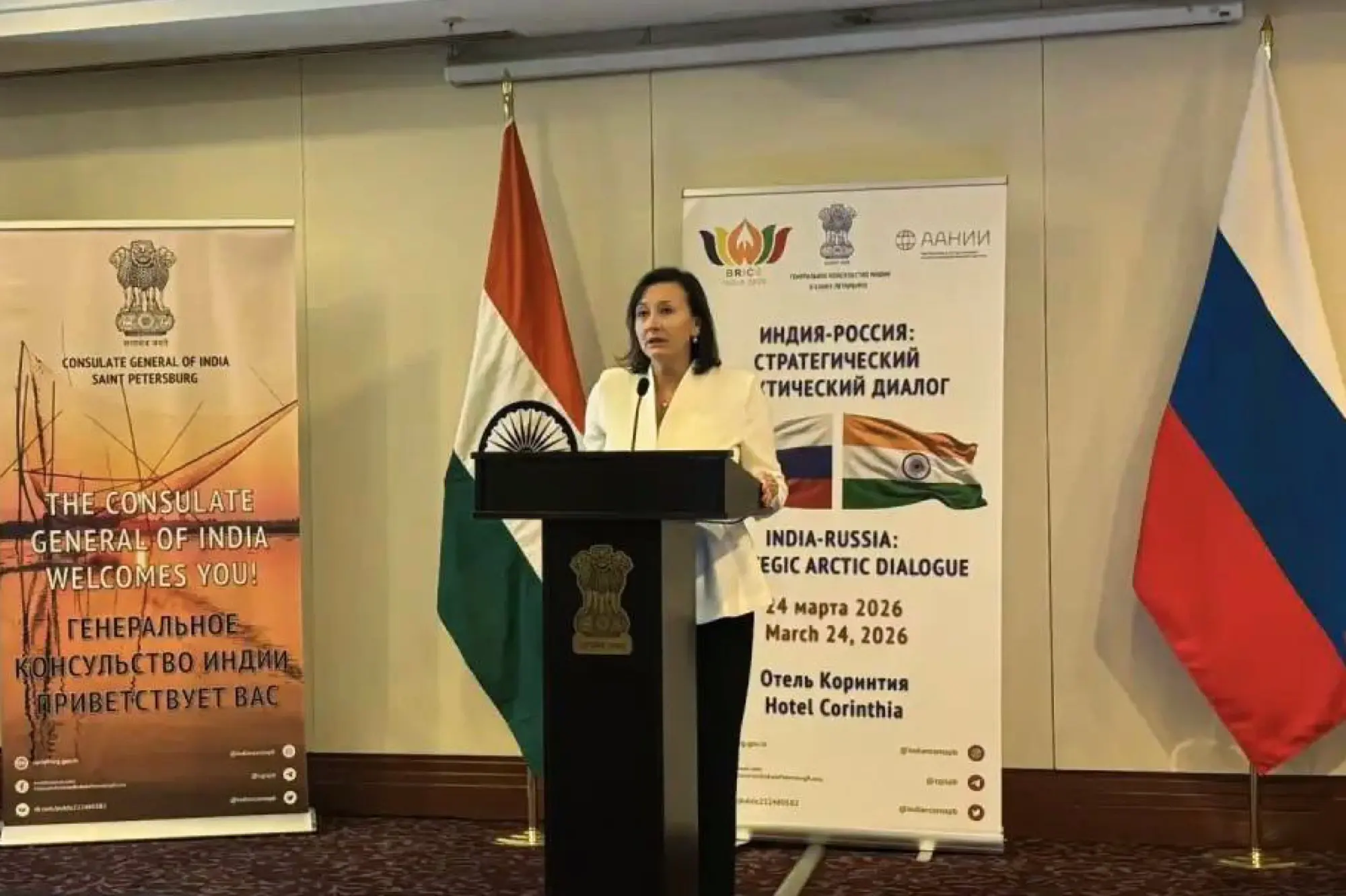
Maria Lagutina: «India Is Implementing an Evolutionary Model of ‘Soft Entry’ into the Arctic Amid the Formation of a Multipolar World Order»
March 24, 2026 In her presentation, Lagutina examined India’s place in the Arctic governance system and its strategy for participating in multilateral cooperation. Particular attention was paid to the role of science diplomacy, as well as the potential of formats such as BRICS and the Northern Forum in advancing the interests of non-Arctic states. «Unlike...
read more