
Northern Forum Could Become a Project Platform for Russia-China Arctic Cooperation
Building a potential model for the participation of Chinese partners can be based on the principle of ‘membership through a project-based agenda
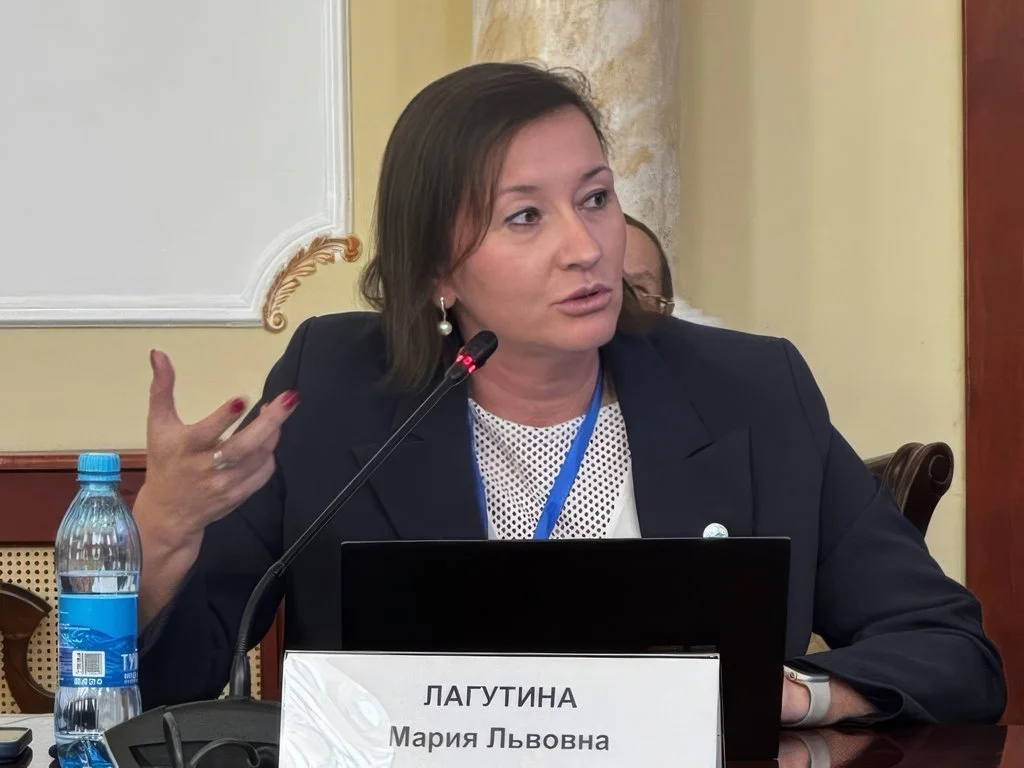
The Northern Forum could fill an existing institutional gap in Russia-China Arctic cooperation by providing a permanent platform for direct interaction between regions, said Maria Lagutina, editor-in-chief of Arctic 2035 Journal and representative of PORA, a nongovernmental think tank, at the VII Northern Sustainable Development Forum in Yakutsk.
Speaking at the open discussion platform “Russia-China Cooperation in the Arctic,” Lagutina presented a report titled “The Northern Forum as a Platform for Russia-China Regional Cooperation in the Arctic.”
Russian and Chinese regions already cooperate through cross-border ties, bilateral agreements, sister-region partnerships and multilateral regional structures. However, according to Lagutina, there is still no specialized permanent platform that systematically connects Russian-Chinese interregional cooperation with the Arctic agenda.
“The Northern Forum has the potential to fill this institutional gap. Its key advantage lies in the very logic of the organization: its participants are not states, but subnational regions. This allows the Forum to operate in the space between interstate diplomacy and individual local projects,” Lagutina said.
She suggested that the Northern Forum could serve as a “project interface” for Russian and Chinese regions. A region could identify a specific challenge or need, while the Forum could help it find a suitable partner and relevant scientific, technological or business expertise, eventually turning the initial idea into a concrete joint project.
This approach is particularly relevant to the discussion about the possible return of China’s Heilongjiang Province to the Northern Forum and the potential involvement of other Chinese provinces.
According to Lagutina, Chinese participation should not be viewed merely as a formal expansion of the organization. Instead, regions considering membership should have a clear understanding of the practical benefits it could bring.
“The main value for a Chinese region could be access not simply to another conference platform, but to a network of specific Russian northern regions, universities, research centers and companies, as well as an opportunity to initiate joint projects,” Lagutina noted.
She proposed a “membership through project agenda” model, under which a Chinese province joining the Northern Forum could identify two or three priority areas for cooperation and potential partners among the Forum’s members from the outset.
Thus, the expansion of Chinese participation in the Northern Forum should be functional rather than merely quantitative. The Forum could become a platform where Russia-China Arctic projects emerge “from the bottom up” – through matching the needs and expertise of specific regions – rather than solely as broad top-down interstate initiatives.
The VII Northern Sustainable Development Forum is being held in Yakutsk, Republic of Sakha (Yakutia), on October 7-10, 2026. It is an annual international expert platform bringing together representatives of academia, education, business, government and civil society to discuss the sustainable development of the North and the Arctic. The main theme of the 2026 Forum is “Human Capital in the AI Era,” with a focus on demographics, strategies, competencies and the transformation of the labor market.
The Forum is organized by the International Organization of Northern Regions “The Northern Forum,” the Government of the Republic of Sakha (Yakutia), M.K. Ammosov North-Eastern Federal University and other academic and educational institutions.
Оthers Our news
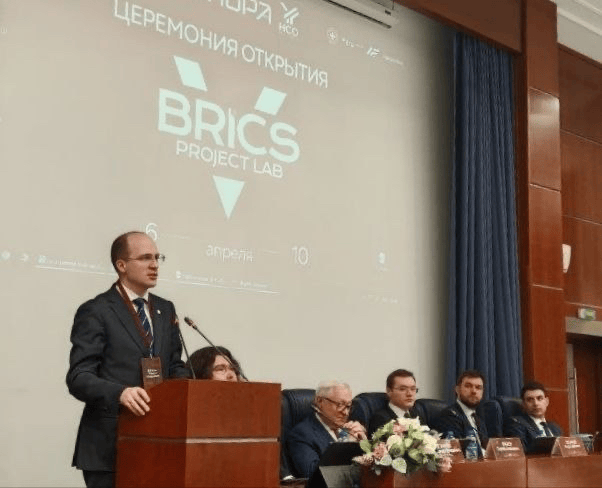
Maksim Dankin Speaks to Participants of BRICS Project Lab
The 5th International Youth BRICS Project Lab has transitioned to its in-person phase at MGIMO University. Following two weeks of remote collaborative work on their respective projects, participants have convened for a five-day program encompassing expert presentations, facilitated discussions, and the refinement of proposed solutions. The inaugural ceremony was graced by the presence of Sergey...
read more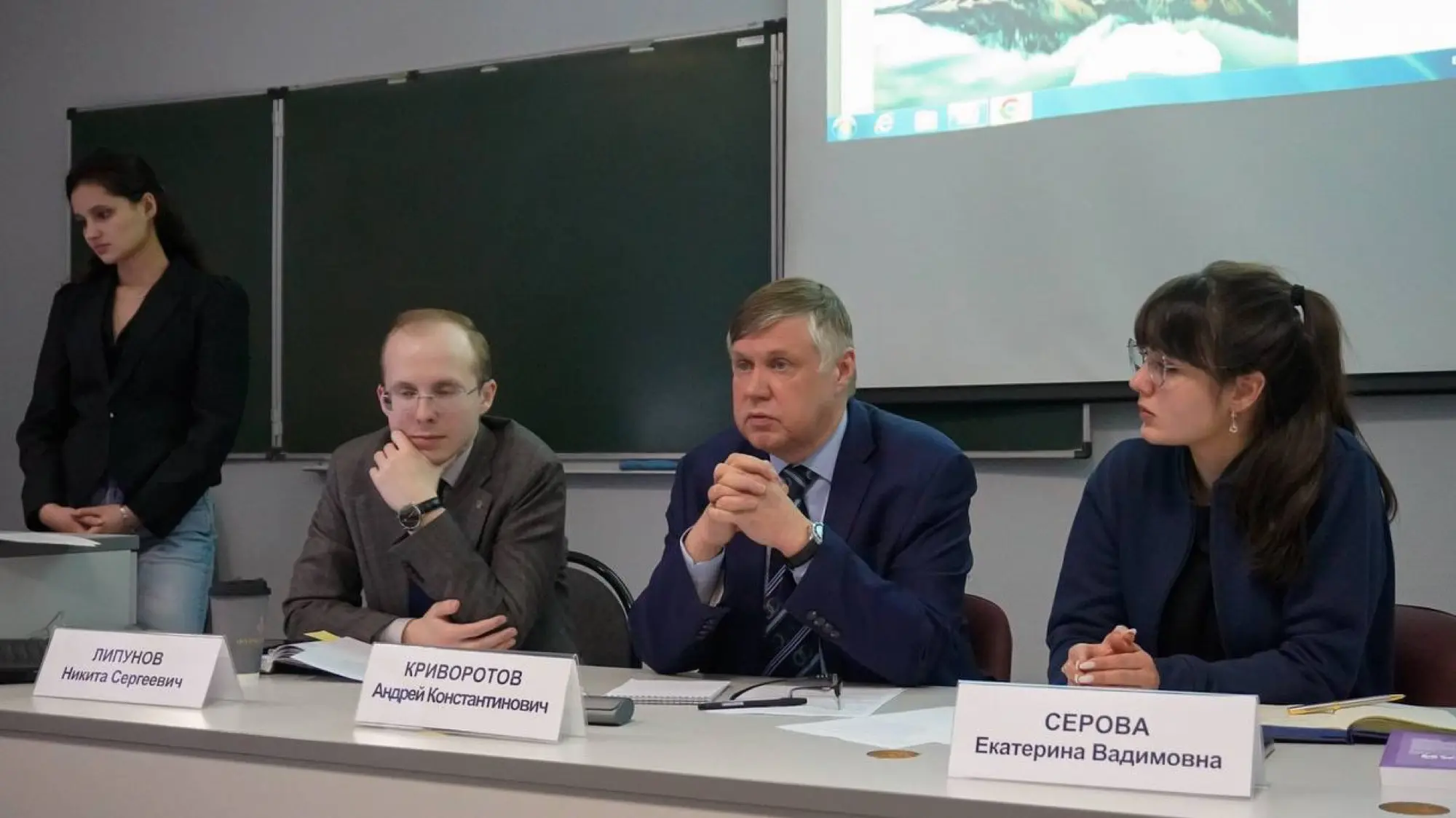
PORA Experts Joined MGIMO Meeting with Students
March 04, 2026 On March 3, 2026, Ekaterina Serova, Director of the Department International Affairs at the PORA Expert Center, met with students of the International Institute of Energy Policy and Diplomacy at MGIMO University. During the meeting of the Arctic student club, participants examined the historical-political, legal, and economic aspects of Greenlandic autonomy, the...
read more