
PORA Conference Explores the History of Russia’s Presence in Spitsbergen and the Archipelago’s Development Prospects
Leading international relations experts took part in discussions about Spitsbergen (Svalbard) arctic archipelago hosted by the PORA Expert Center
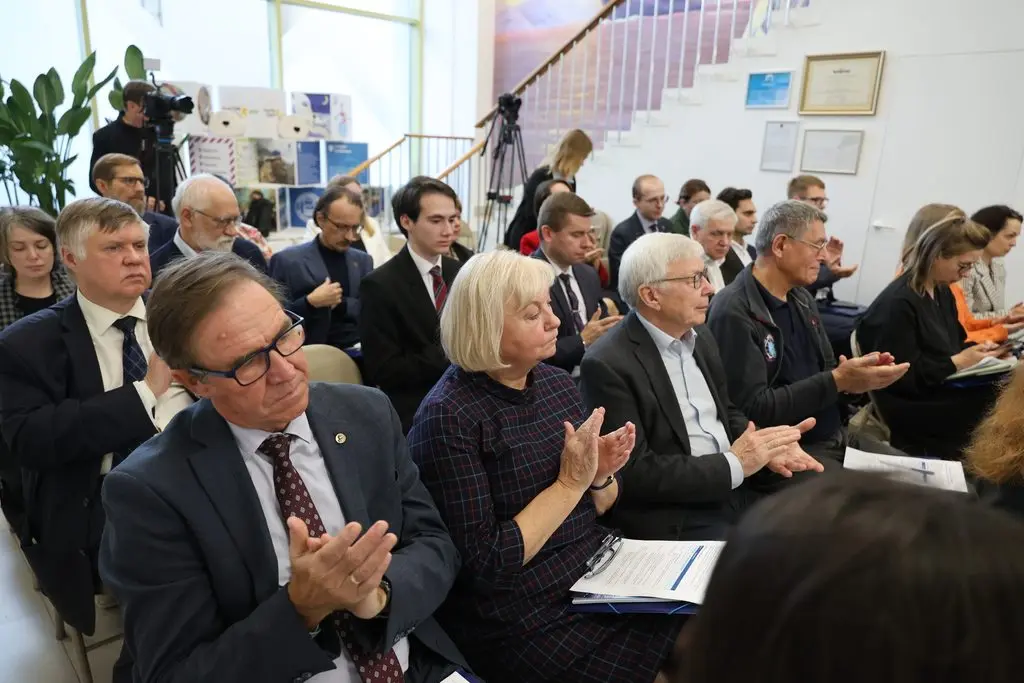
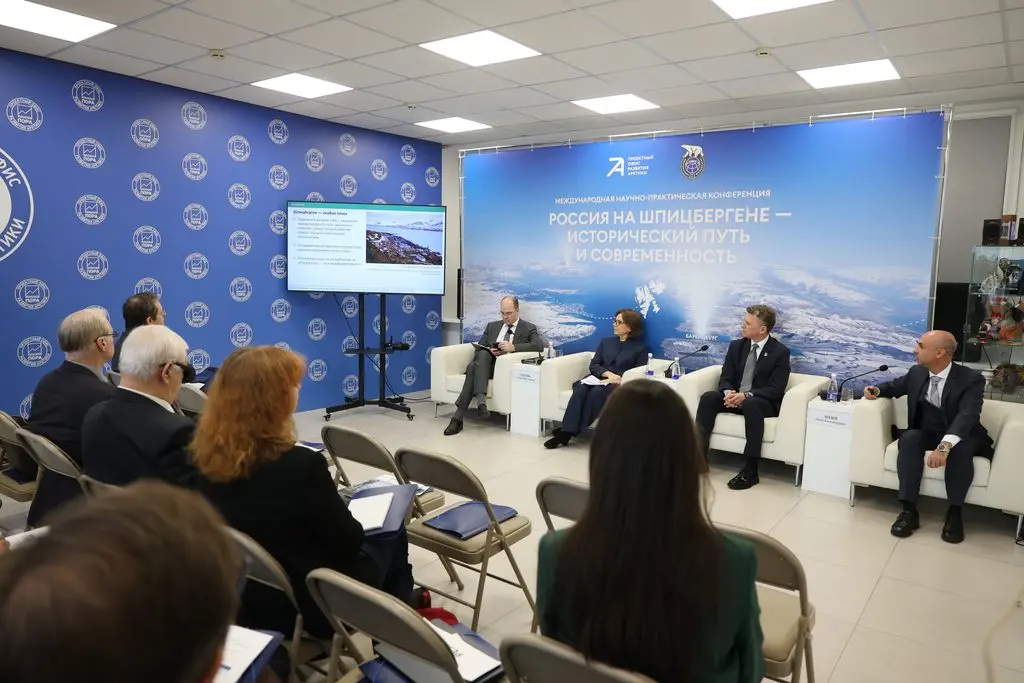
On October 21, 2026, the international scientific and practical conference “Russia in Spitsbergen: Historical Legacy and the Present Day” was held in Moscow at the Expert Center of the Project Office for Arctic Development (PORA).
Svetlana Ozhegova, Deputy Director of the First European Department of the Russian Ministry of Foreign Affairs, emphasized during the plenary session that maintaining Russia’s presence in the archipelago remains a priority of state policy, despite sanctions, transport restrictions, and other obstacles complicating cooperation with Norway.
“As a positive example, I would point to the establishment of the International Research and Education Center in Spitsbergen in 2025,” the Foreign Ministry representative noted. According to her, interest in joint research is growing among countries outside the Arctic region that are seeking cooperation with Russian scientists.
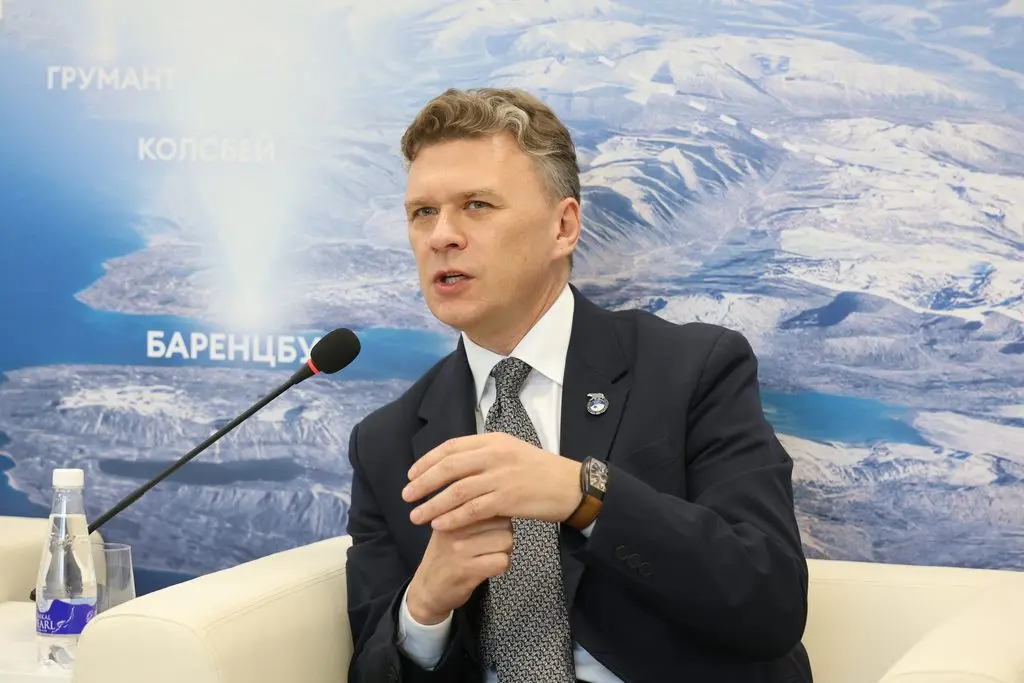
Ildar Neverov, Director General of the Arktikugol State Trust, discussed the prospects for tourism development in the Russian settlements on Spitsbergen. According to him, despite restrictions imposed by Norwegian tour operators, travelers continue to show strong interest in Barentsburg and Pyramiden. The development of new tourist routes and the establishment of direct maritime connections offer additional opportunities to attract visitors to the archipelago. Neverov expressed confidence that the Trust’s tourism revenue in 2026 would exceed its 2025 figures, which had already reached record levels.
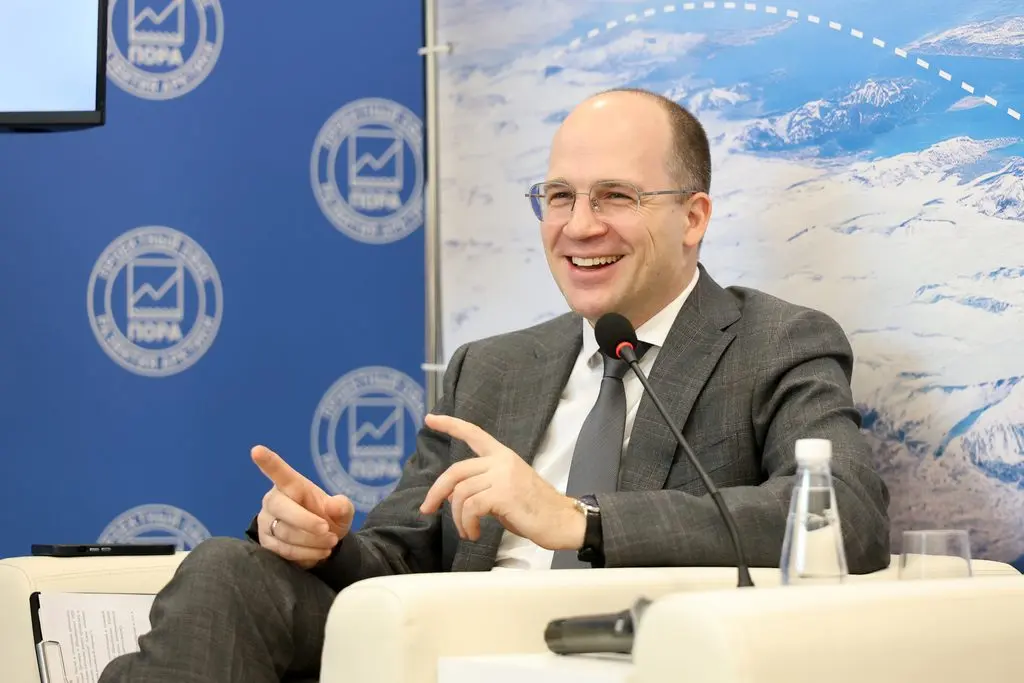
“We see our mission as ensuring that the results of scientific research find practical applications,”* emphasized Maxim Dankin, Director General of the PORA Expert Center. He noted that the history of Russia’s presence in Spitsbergen is closely intertwined with international law, economic activity, and scientific research. Bringing together different professional and research perspectives makes it possible to gain a deeper understanding of accumulated experience and identify priorities for future work.
The plenary session also featured Yuri Mazey, Vice-Rector for International Cooperation at Lomonosov Moscow State University and Corresponding Member of the Russian Academy of Sciences (RAS). He noted that restrictions on international scientific cooperation pose serious challenges but also create new opportunities for research projects. Moscow State University intends to play an active role in the International Research and Education Center in Spitsbergen, drawing on its interdisciplinary expertise and extensive network of international university partners, including institutions in China and India.
The conference program brought together thematic sessions devoted to the history of Russian exploration and activities in Spitsbergen, international legal and economic issues, and the findings of contemporary natural science research.
During the historical session, Alexey Komarov, Head of the Center for the History of Northern Europe and the Baltic States at the RAS Institute of World History, presented a historical overview of the Spitsbergen question. Tatiana Minaeva, Professor at Northern (Arctic) Federal University (NArFU), discussed the fishing and hunting activities of Russian Pomors on the archipelago in the 18th and 19th centuries. Pavel Filin, Senior Researcher at the D.S. Likhachev Heritage Institute and the Peter the Great Museum of Anthropology and Ethnography (Kunstkamera) of the Russian Academy of Sciences, presented the main findings of the Russian Geographical Society’s 2026 expedition to Spitsbergen.
The program also included presentations on mapping Russia’s historical and cultural heritage in Spitsbergen, archaeological research into evidence of the Russian Pomors’ presence, and new approaches to communicating the archipelago’s history to a wider audience. These topics were addressed by Alevtina Paramonova of the Heritage Institute, Alexey Fedorov of the RAS Institute of Archaeology, and Anastasia Loginova, Curator of the International Art Residency in Spitsbergen. Andrey Repnevsky, Professor at NArFU, devoted his presentation to university-led and international scientific expeditions conducted in 2013.
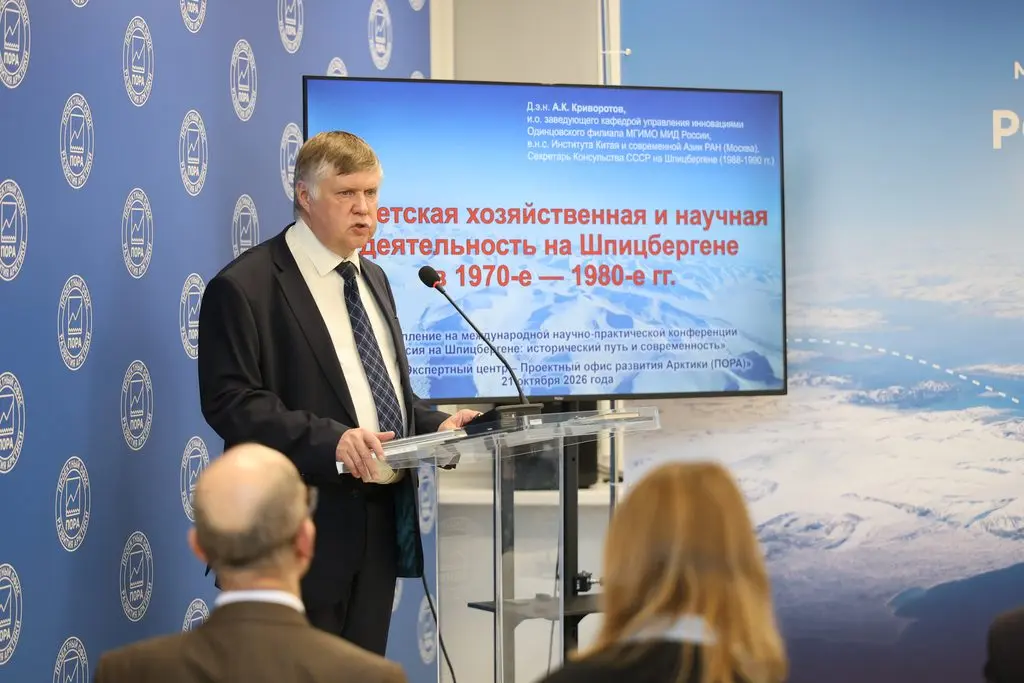
The second session focused on Russia’s economic presence in Spitsbergen within the framework of international law. Andrey Krivorotov, representing MGIMO University and the RAS Institute of China and Contemporary Asia, examined Soviet economic and scientific activities on the archipelago during the 1970s and 1980s. Alexander Vylegzhanin, Professor at MGIMO University, analyzed contemporary Russian, Norwegian, and European Union approaches to the legal regime governing economic activities in the area covered by the Spitsbergen Treaty.
Vyacheslav Zilanov, an expert in marine fisheries, addressed fishing issues in the waters surrounding the archipelago. Alexander Kotov, a researcher at the RAS Institute of Europe, discussed current EU initiatives concerning Spitsbergen, while Nikita Lipunov, representing MGIMO University, examined the evolution of Norway’s strategy in the archipelago from the 2000s through the 2020s.
The final session focused on scientific research in Spitsbergen, an area of particular importance for studying natural processes in the Arctic, especially climate change. Nikolai Osokin, Adviser to the Director of the RAS Institute of Geography, presented the institute’s research activities on the archipelago. Andrey Alekseev, Director of the RAS Institute of Physicochemical and Biological Problems of Soil Science and Corresponding Member of the Russian Academy of Sciences, discussed Paleozoic paleosols as a source of information about ancient environmental conditions.
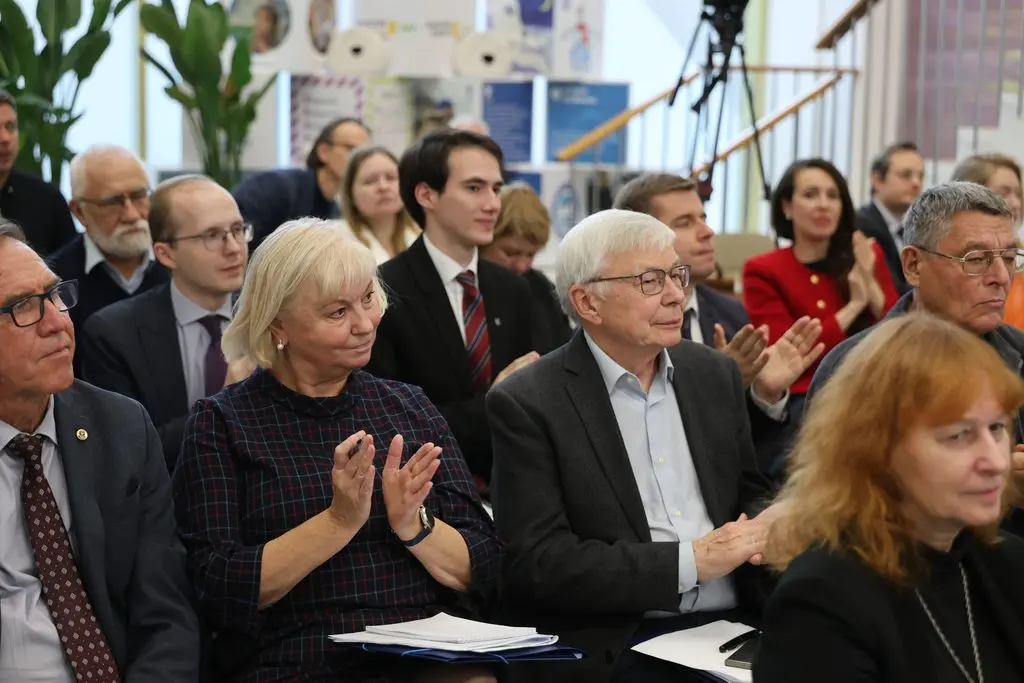
Alexander Sirotkin, a geologist, presented the principal findings of Russian geological research in Spitsbergen, while Bulat Mavlyudov, Senior Researcher at the RAS Institute of Geography, devoted his presentation to the archipelago’s surging glaciers and their response to climate change.
Оthers Our news

PORA Sums Up Results of Russian Delegation’s Business Visit to China
Scientific and technical cooperation with Chinese partners is planned to be developed, including in the construction of TTC infrastructure with the implementation of solutions to reduce the carbon footprint and develop the «blue» economy Russian and Chinese specialists assessed the potential for developing and applying climate solutions in the territory of the Russian Arctic Zone...
read more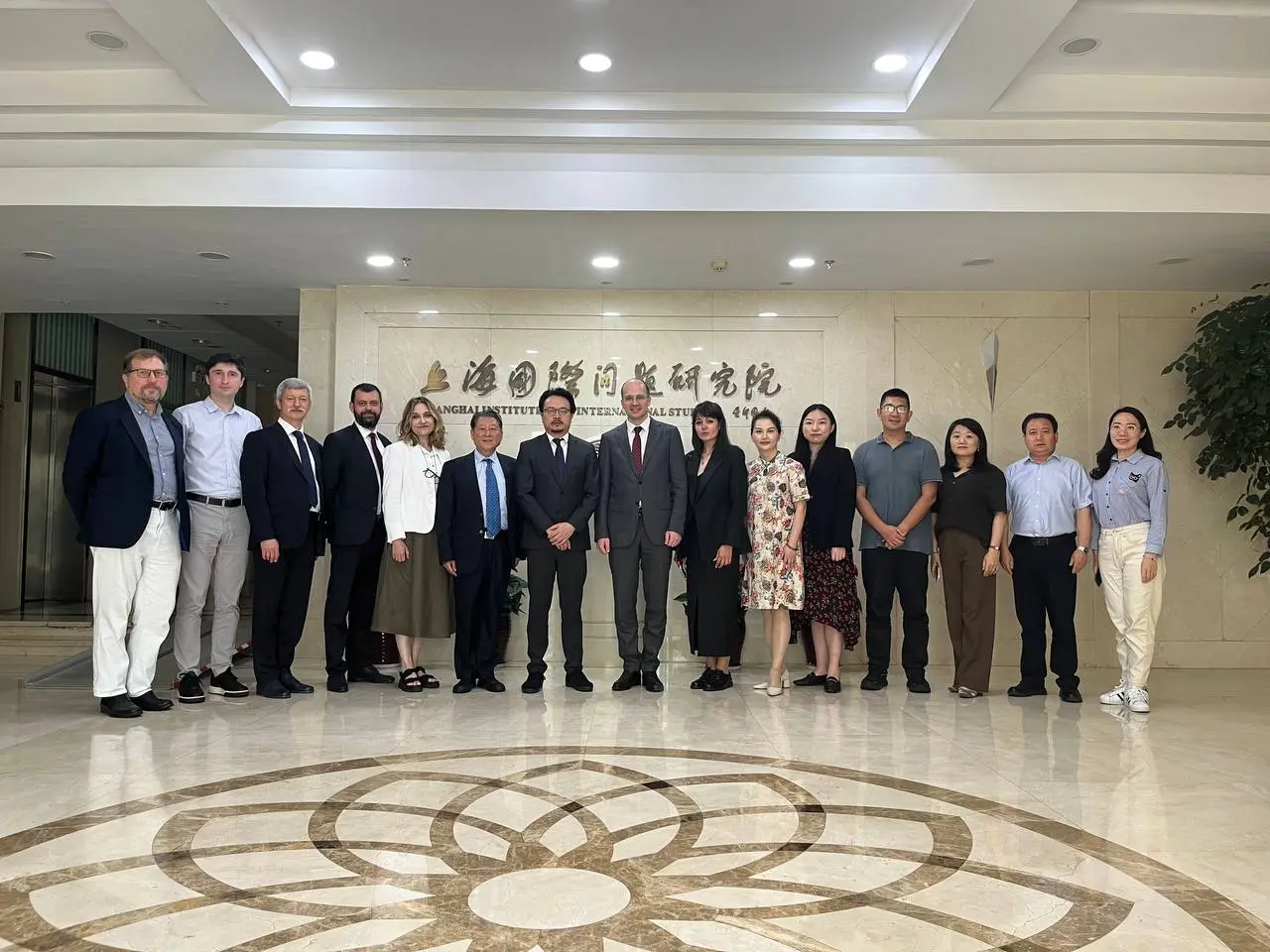
PORA Organizes Business Visit of Russian Delegation to China
Representatives of research organizations and major companies hold talks, participate in roundtables, and visit high-tech enterprises and research centers in Qingdao and Shanghai May 26, 2026 The Project Office for Arctic Development (PORA Expert Center) is organizing a business visit of a Russian delegation to China with the aim of promoting technological and scientific cooperation...
read more