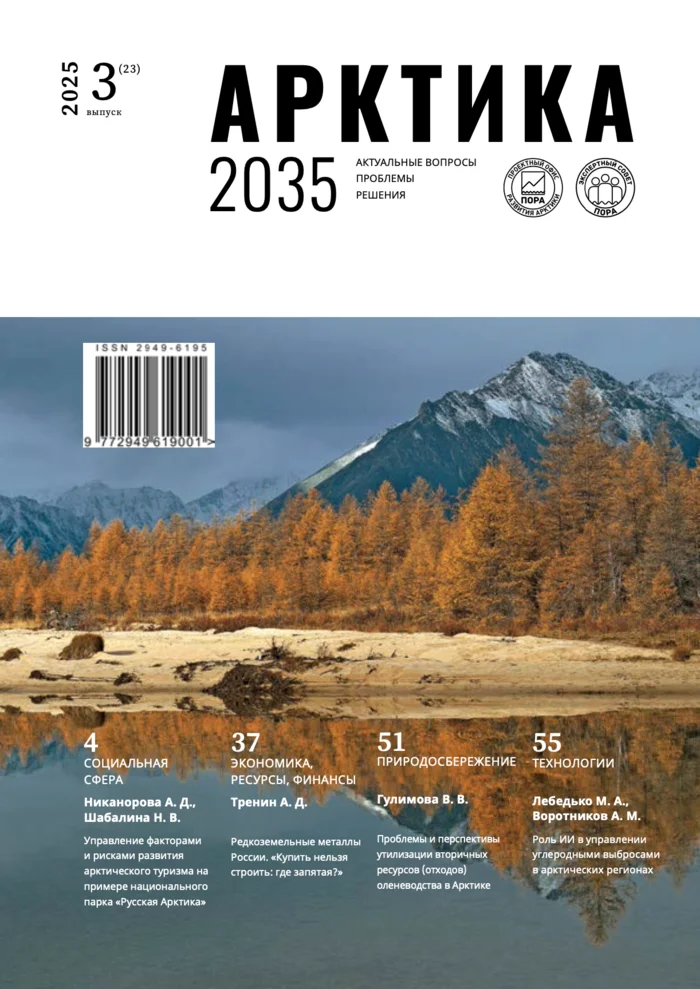
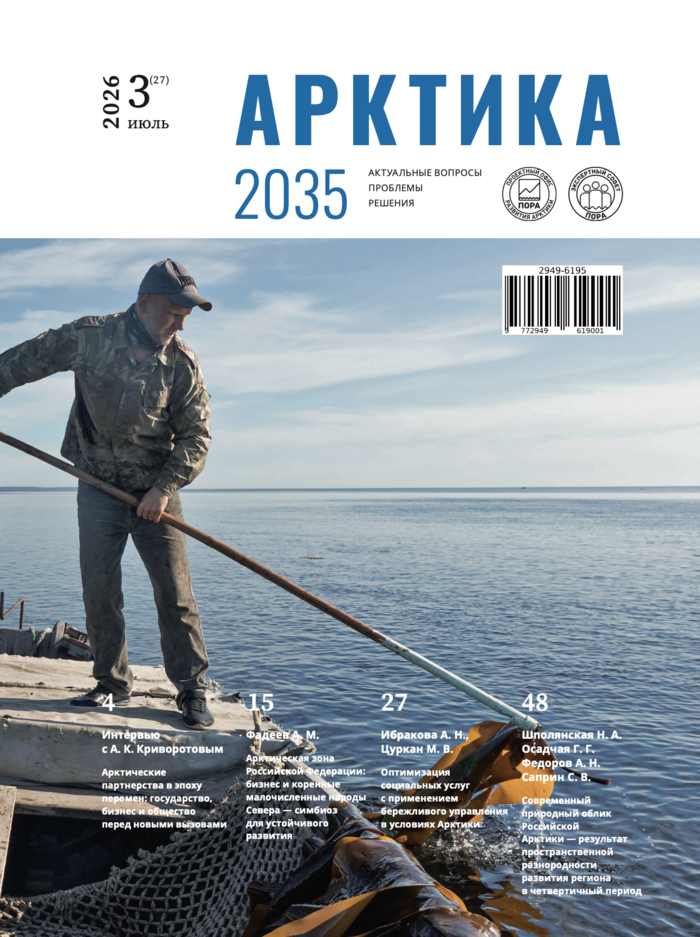
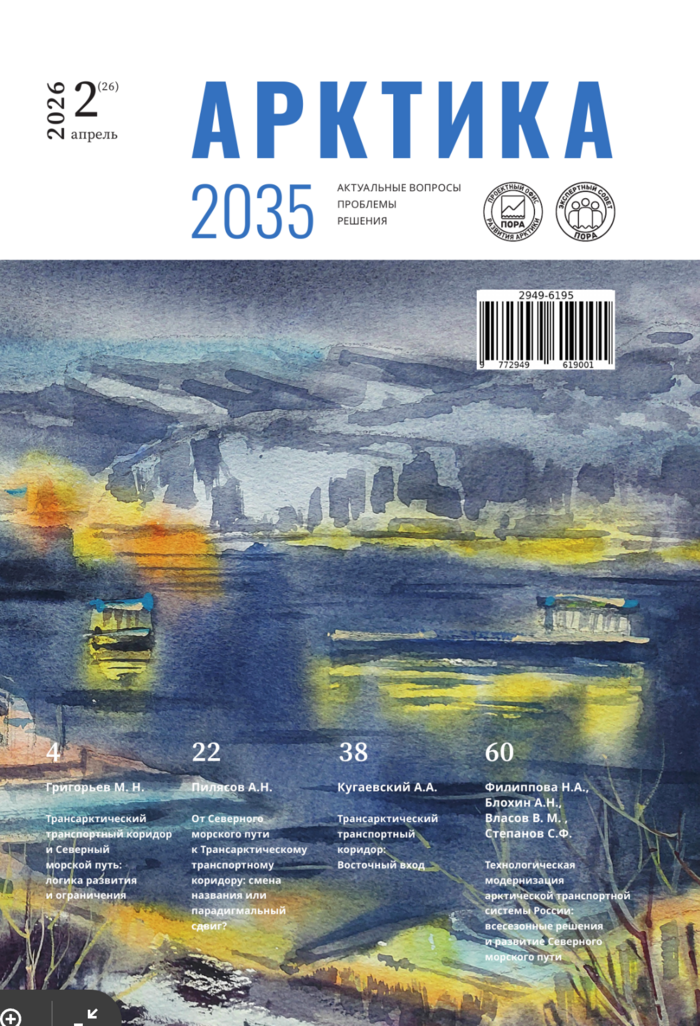
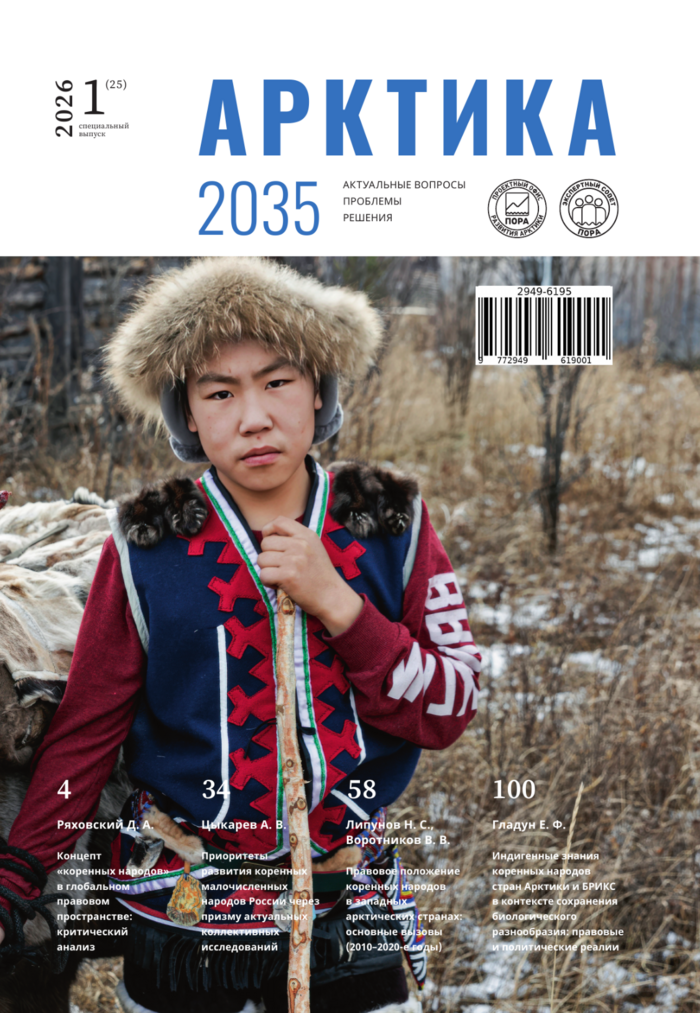
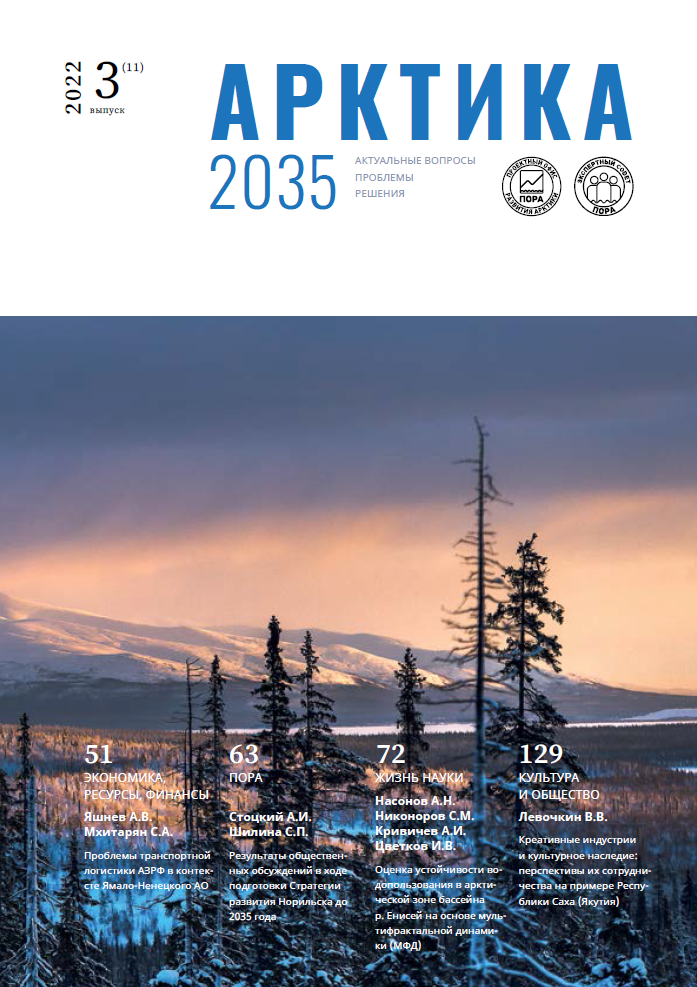
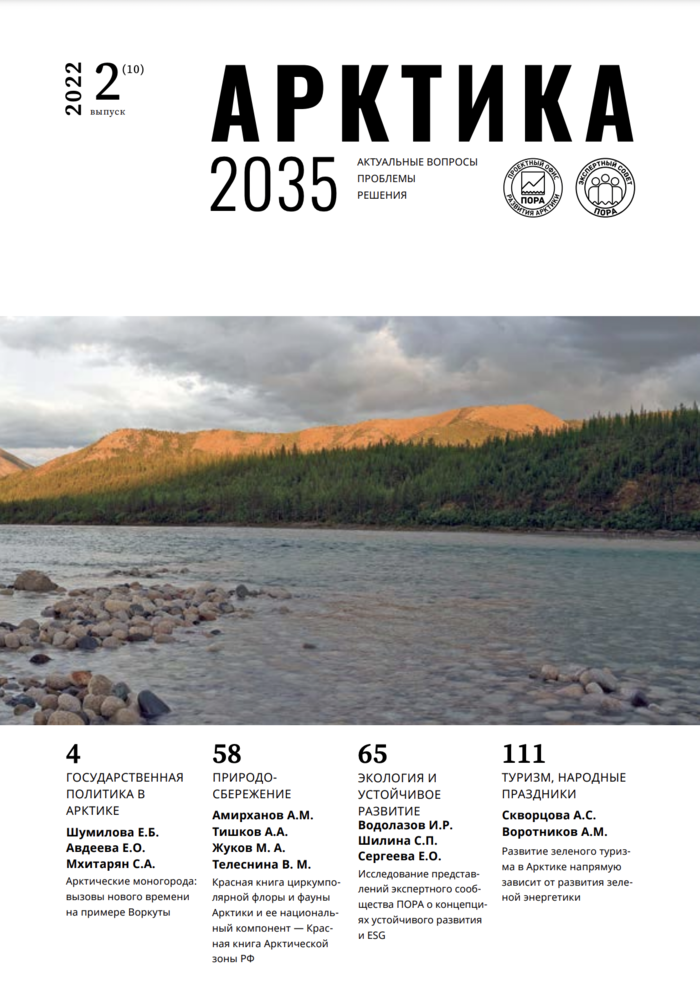
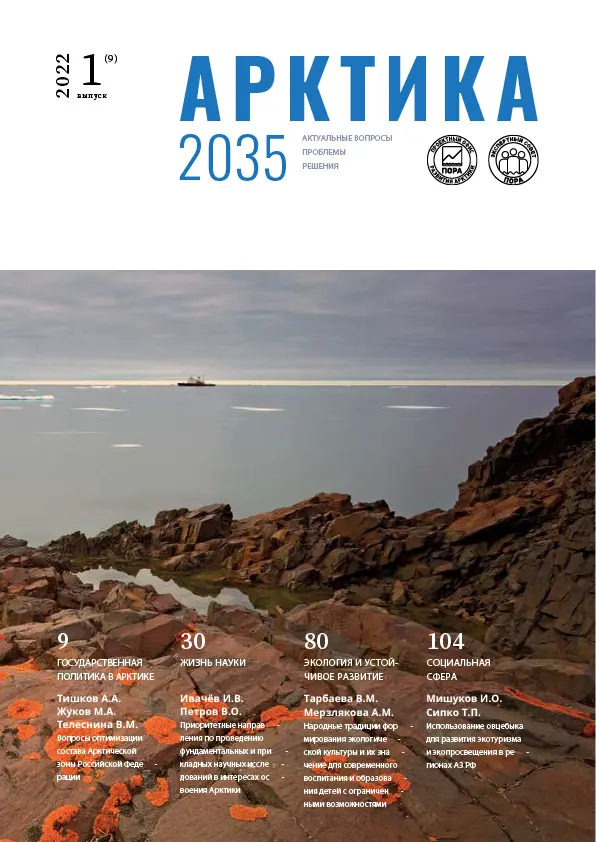
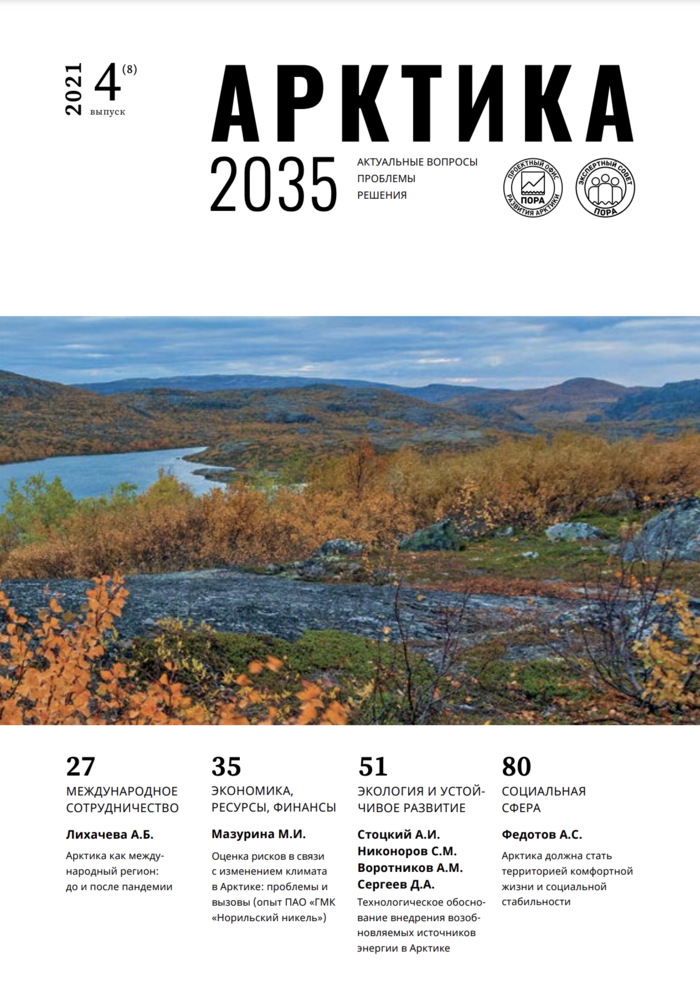
In the perception of many people, the North, and the Arctic in particular, is a territory of the eternal frontier, a zone of constant human struggle against harsh nature, discomfort, disease, and so on. The authors of our new issue argue that this is categorically wrong. The Arctic is also a zone for tourism, and what’s more, a remarkable one! The Arctic is a territory of wonderful culture. The Arctic is a place for the application of the most advanced technologies. And, most importantly, our authors demonstrate that with a responsible approach to people’s health, it is entirely possible to live comfortably, productively, and happily there.
One of the priority tasks in developing Arctic regions is creating conditions for tourism development. Tourism in the Arctic is associated with a number of physical, geographical, geoecological, social, and economic constraints. This article proposes key scientific and methodological approaches to developing tourism and recreational activities using tourism management models in the Russian Arctic National Park as an example. The article examines practical approaches to organizing Arctic tourism and proposes a range of risk management tools that need to be implemented to ensure the sustainability of Arctic tourism.
This article analyzes the role of the Yakutsk History Museum in the educational process. It examines the museum's key activities, including tours, educational programs for schoolchildren, thematic exhibitions, and cultural events. The effectiveness of these programs is assessed based on visitor survey data, teacher feedback, and attendance statistics. It proposes areas for developing the museum's educational activities, focusing on expanding its audience, utilizing modern technologies, and deepening collaboration with the city's educational institutions, with the goal of enhancing the museum's role in fostering civic identity and patriotism in the younger generation.
The Arctic region is a strategic area of the Russian Federation, characterized by significant industrial and resource-logistics potential. Despite extreme natural and climatic conditions, including long polar nights, limited sunlight, and the region's high isolation, the Arctic region faces ambitious goals. To implement the Arctic agenda of achieving technological leadership and regional development, it is crucial to create optimal conditions for preserving the population, maintaining health, strengthening the family, and attracting skilled labor and youth. This article examines the prospects for developing infrastructure for a health-preserving system in the Arctic zone.
This article explores the connection between a sovereign, integrated rare earth industry and advanced technologies such as artificial intelligence, data centers, supercomputers, and electronics, demonstrating the real, albeit largely invisible, contribution of rare earth metals to the development of the domestic industry. It describes the current situation, whereby the development of a domestic rare earth metals industry is actively promoted by Russian President Vladimir Putin. However, at the country's mid-level leadership, an understanding of the scale of the tasks at hand is not yet sufficiently reflected in the decisions being made. Considering the tectonic shifts in the modern world, the development of the rare earth metals industry is compared to the Atomic Energy Project, which the USSR was able to implement in the mid-20th century in a very short time. Particular attention is also given to rare earth projects in the Russian Arctic, where the lion's share of Russia's rare earth reserves are located. The article concludes that today Russia still has the potential to build a world-class, sovereign rare-earth metals industry, primarily based on a small group of enthusiasts and a shared understanding that it is necessary to build our own, rather than rely on the world's best efforts to buy everything.
This article, in preparation for the All-Russian Methodological Scientific Seminar «Strategic Planning Methodology: Trans-Arctic Transport Corridor», examines current issues in scientific research and substantiation for decision-making on the long-term development of the transport system in Russia's Arctic zone as a single, multi-sectoral complex. The scientific seminar is being jointly organized by the Arctic Development Project Office and the Russian-Asian Arctic Research Consortium in September 2025 as part of the Northern Forum on Sustainable Development in Yakutsk.
The presented article is devoted to the issue of prospects and problems of implementing projects for the utilization of reindeer herding waste in the Arctic zone of the Russian Federation. As one of the development tracks with significant potential, the organization of collagen production from reindeer skins, bones, and antlers is highlighted. Potential sources of legal risks associated with the presence of gaps or prohibitions in the current legislation affecting the regulation of livestock waste management are identified.
The Arctic is facing accelerated climate change, threatening the region's fragile ecosystem. This article explores the role of artificial intelligence in managing carbon emissions in the Arctic, including satellite monitoring, climate forecasting, optimization of resource extraction and logistics, and support for strategic decisions. It examines real-world examples of AI implementation in 2025 and discusses ethical challenges, from algorithm transparency to environmental conservation. The author emphasizes the need for collaboration between science, technology, and policy for a sustainable future. AI is presented as a promising tool for ecological balance, capable of combining efficiency with a responsible approach to Arctic conservation.
In the article, the author considers topical issues of involving young people from among the indigenous peoples of the North living in Yugra in the processes of scientific and technological development of the region and the Arctic through the activities of the innovative scientific and technological center «UNITY PARK». The purpose of the article is to identify and substantiate the role and potential of young representatives of the indigenous peoples of Yugra in the implementation of sustainable development projects, as well as to determine effective mechanisms for their inclusion in innovative, entrepreneurial and research activities in the context of the digital transformation of society. The relevance of the work is due to the need to preserve the ethnocultural identity and traditions of the indigenous peoples of Yugra simultaneously with their active involvement in the development of modern technologies, science and entrepreneurship. The creation of a youth INTC and a strategic partnership with the Institute of Professional Education of Indigenous Peoples of Yugra will help build interaction between the traditional way of life and innovation, which contributes to the integrated development of the region and the Arctic zone of Russia as a whole.
MECHANISMS OF INTERNATIONAL COOPERATION IN THE FIELD OF EXTRACTION OF ARCTIC MINERAL RESOURCES: BALANCING THE INTERESTS OF ARCTIC AND NON-ARCTIC STATES
The article explores the mechanisms of international cooperation in the field of mining in the Arctic, paying special attention to the balance of interests of northern and non-northern countries. It examines key aspects of legal regulation, the role of international organizations and treaties, as well as the complexities that arise in the development of resources. The interests and strategies of key players such as Russia, the USA, Canada, China and European states involved in the development of this region are analyzed.
The Arctic region is facing serious environmental threats due to climate change and human activities. Warming here is occurring more than twice as fast as global warming, leading to melting of permafrost, heavy metal pollution and a reduction in biodiversity. These changes are destroying fragile ecosystems and threatening the traditional way of life of indigenous peoples who depend on natural resources. To solve these problems, it is necessary to combine scientific approaches with the traditional knowledge of local communities, strengthen international cooperation, develop environmental legislation and pilot innovative strategies. Integrating the experience of indigenous peoples into the management of the Arctic is especially important for ensuring the sustainable development of the region.